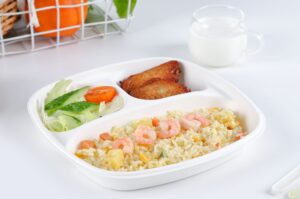
You're trying to ditch plastic, but flimsy paper plates that collapse under a little sauce are a frustrating alternative. Isn't there a better, stronger, and truly eco-friendly option available?
Bagasse tableware1 is a sturdy, eco-friendly alternative to plastic and paper, made from the leftover sugarcane fiber2 after juice extraction. It is fully compostable3, durable enough for hot and cold foods, and turns agricultural waste into a valuable product.
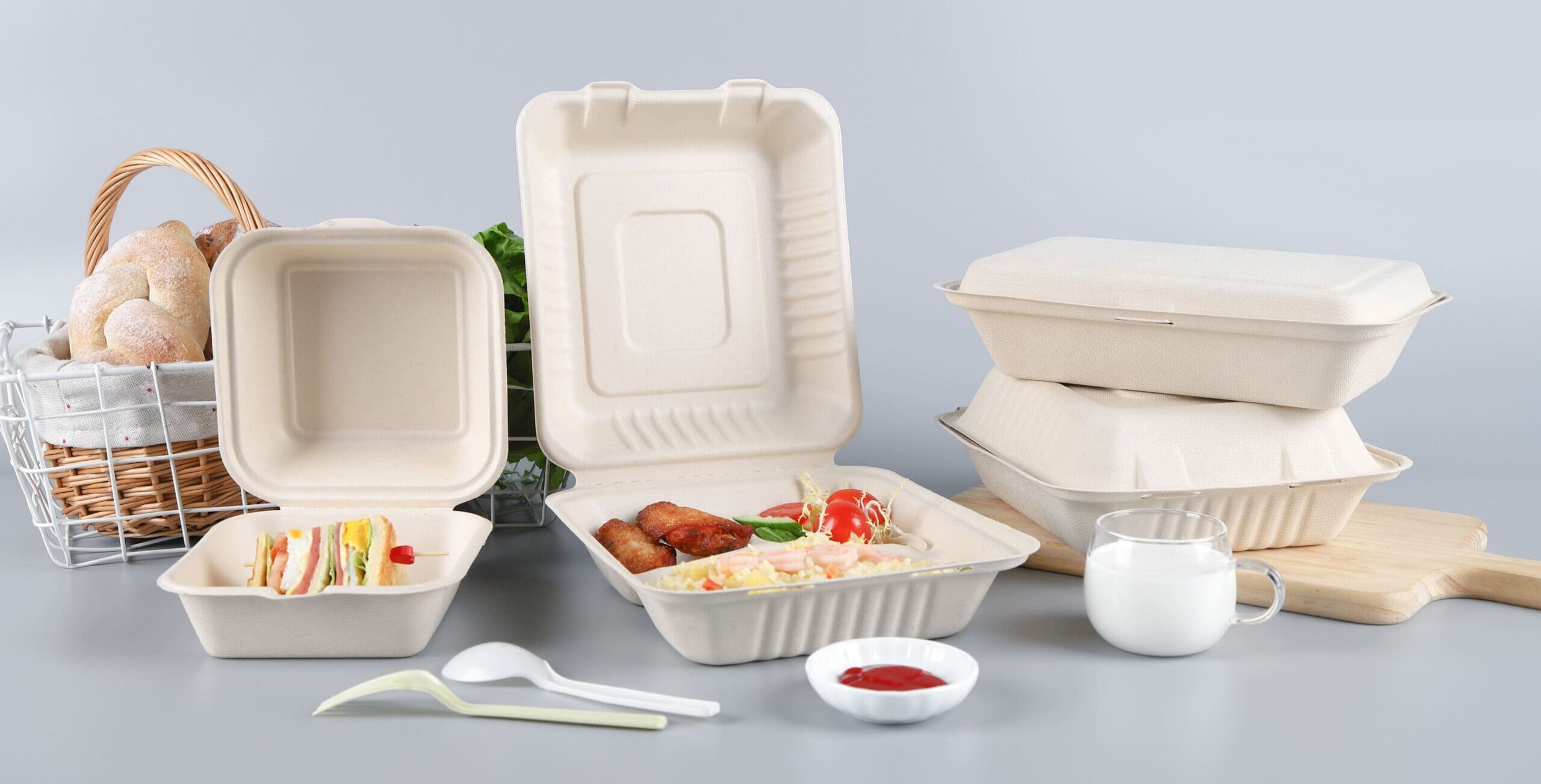
The first time I held a bagasse plate, I couldn't believe it wasn't high-quality paper or even a type of plastic. It was rigid, clean-looking, and felt substantial. When I learned it was made from what is essentially a waste product—the dry pulp left over from making sugar—I was hooked. It felt like a perfect solution. As a member of Webester Eco Pack, I've spent years working with this amazing material, and I believe understanding what it is, and what it isn't, is key for anyone trying to make a truly sustainable choice4.
What Makes Bagasse Tableware So Eco-Friendly?
You hear a lot of "green" claims, but it's hard to know what's real. How can a disposable plate made from a plant be any different from a regular paper plate?
Bagasse is not made from trees. It's an agricultural byproduct5, using the fibrous waste from sugarcane stalks that would otherwise be burned or discarded. It’s a classic example of "upcycling" waste into a valuable resource.
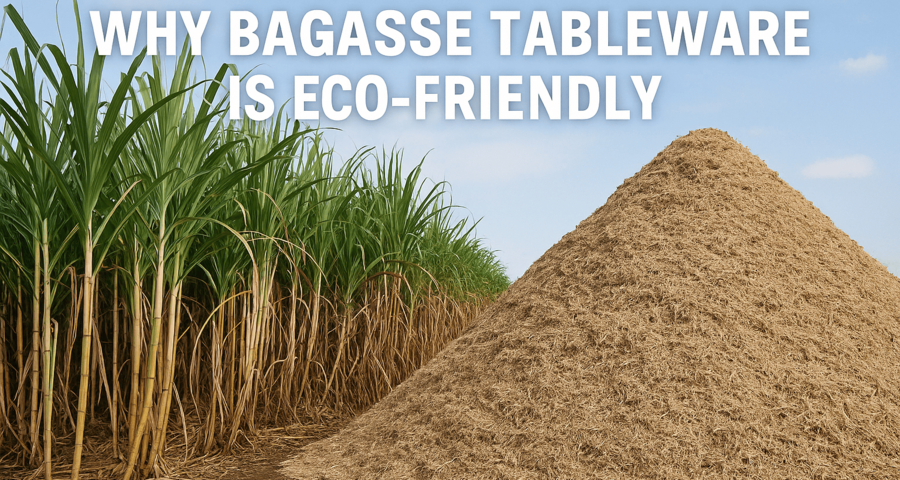
Our company's mission is "Turn Waste into Value," and bagasse is the perfect embodiment of that principle. When a sugarcane stalk is harvested, it's crushed to extract the sugary juice. What's left is a dry, fibrous pulp called bagasse. For a long time, this was just waste. Now, we take this material and give it a new life. Unlike paper plates, which require trees to be harvested specifically for pulp, bagasse uses a resource that is already part of our global food system. It's a rapidly renewable resource6, harvested annually, which puts far less strain on our forests and ecosystems. It's a smart, circular solution that reduces agricultural waste while creating a useful product.
| Feature | Bagasse Tableware | Paper Plates | Styrofoam Plates |
|---|---|---|---|
| Source Material | Sugarcane Waste (Byproduct) | Trees (Virgin Resource) | Petroleum (Fossil Fuel) |
| Renewability | High (Annual Harvest) | Low (Decades to Grow) | None (Non-renewable) |
| Core Concept | Upcycles Waste | Requires Harvesting | Requires Extraction |
How Does Bagasse Perform Compared to Paper or Foam?
Being eco-friendly is great, but a plate also has to do its job. Will a bagasse plate get soggy with dressing or bend when you load it up with food?
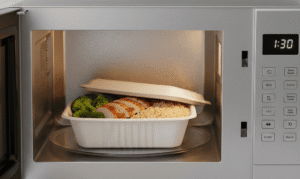
Bagasse tableware1 is surprisingly strong and versatile. It's naturally more rigid and has better cut and grease resistance7 than most paper plates. It's designed to handle both hot and cold foods, and is typically microwave- and freezer-safe.
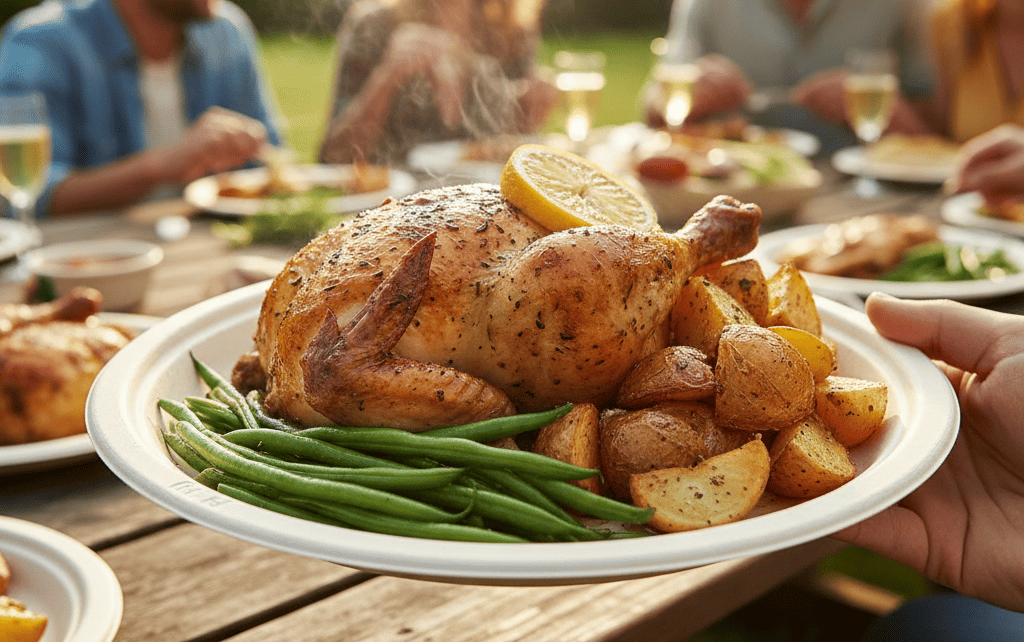
This is where bagasse truly shines and wins people over. The performance is simply superior to other disposables. The strength comes from the natural fibers and the manufacturing process, where the pulp is molded under high heat and pressure. This creates a dense, rigid structure that won't easily bend or buckle when you're carrying it from the buffet line. I've personally tested our plates with everything from hot, oily curries to freezing ice cream cakes for storage.
- Heat Resistance: You can serve hot soup or pour hot gravy on a bagasse plate without it turning to mush. Most are microwave-safe for reheating leftovers.
- Cold Performance: Bagasse holds up well in the freezer, making it great for meal prep or storing frozen desserts without getting brittle and cracking like some plastics.
- Grease and Cut Resistance: While a regular paper plate needs a plastic coating to handle anything oily, bagasse fiber has natural resistance. Modern, PFAS-free8 treatments enhance this, so you can use a knife and fork without shredding the plate.
What Really Happens When You Are Done With a Bagasse Plate?
You've finished your meal. Now what? You want to do the right thing, but you're not sure if the bagasse plate goes in the trash, recycling, or compost bin.
Bagasse tableware1 is designed for composting9, not recycling. While many brands require industrial facilities, premium products like ours at Webester Eco Pack are certified "OK Compost HOME," meaning they will break down in your backyard compost pile.
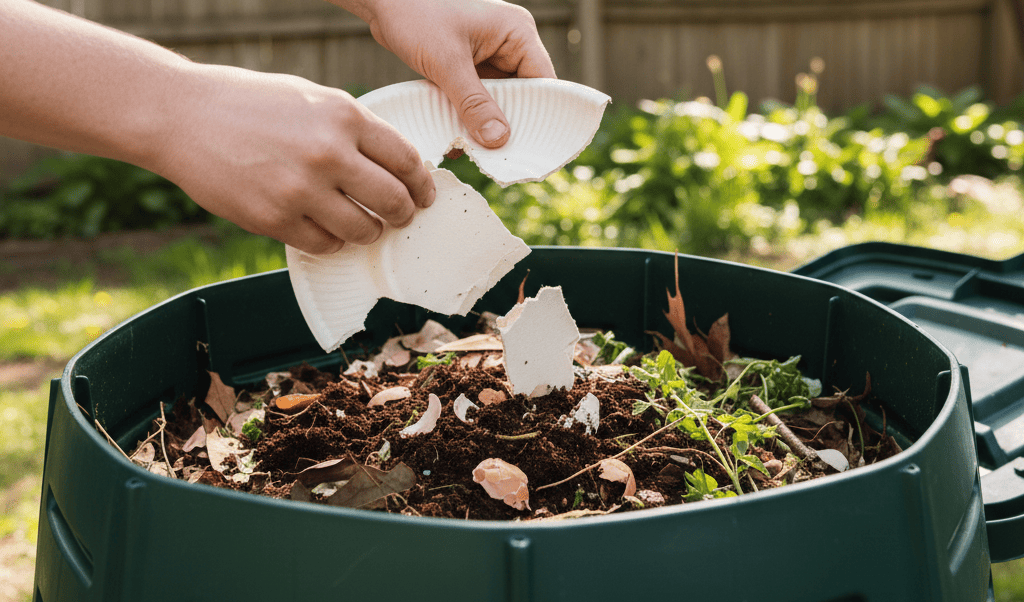
This end-of-life question is critical. You should never put bagasse plates in the paper recycling bin. The food residue and the fact that it's a molded fiber product mean it can't be processed with standard paper and cardboard. Its true environmental benefit is realized through composting9, where it returns to the soil as organic matter. Many bagasse products are only certified for commercial composting9 facilities, which aren't available everywhere. That's why we invested in achieving the OK Compost HOME certification. It means our products are guaranteed to break down under the lower temperatures of a typical home compost setup. It provides a real, accessible end-of-life solution for our customers, closing the loop and turning the plate back into nutrient-rich soil.
Is All Bagasse Tableware Safe for Your Food?
You're buying bagasse to be healthier and more sustainable. But how can you be sure the plate itself doesn't contain any unwanted chemicals that could get into your food?
Not all bagasse is the same. To be food-safe10, it must be FDA11 or LFGB12 compliant and, ideally, made without PFAS chemicals. Always ask your supplier for documentation proving their products are both FDA / LFGB compliant and PFAS-free8.
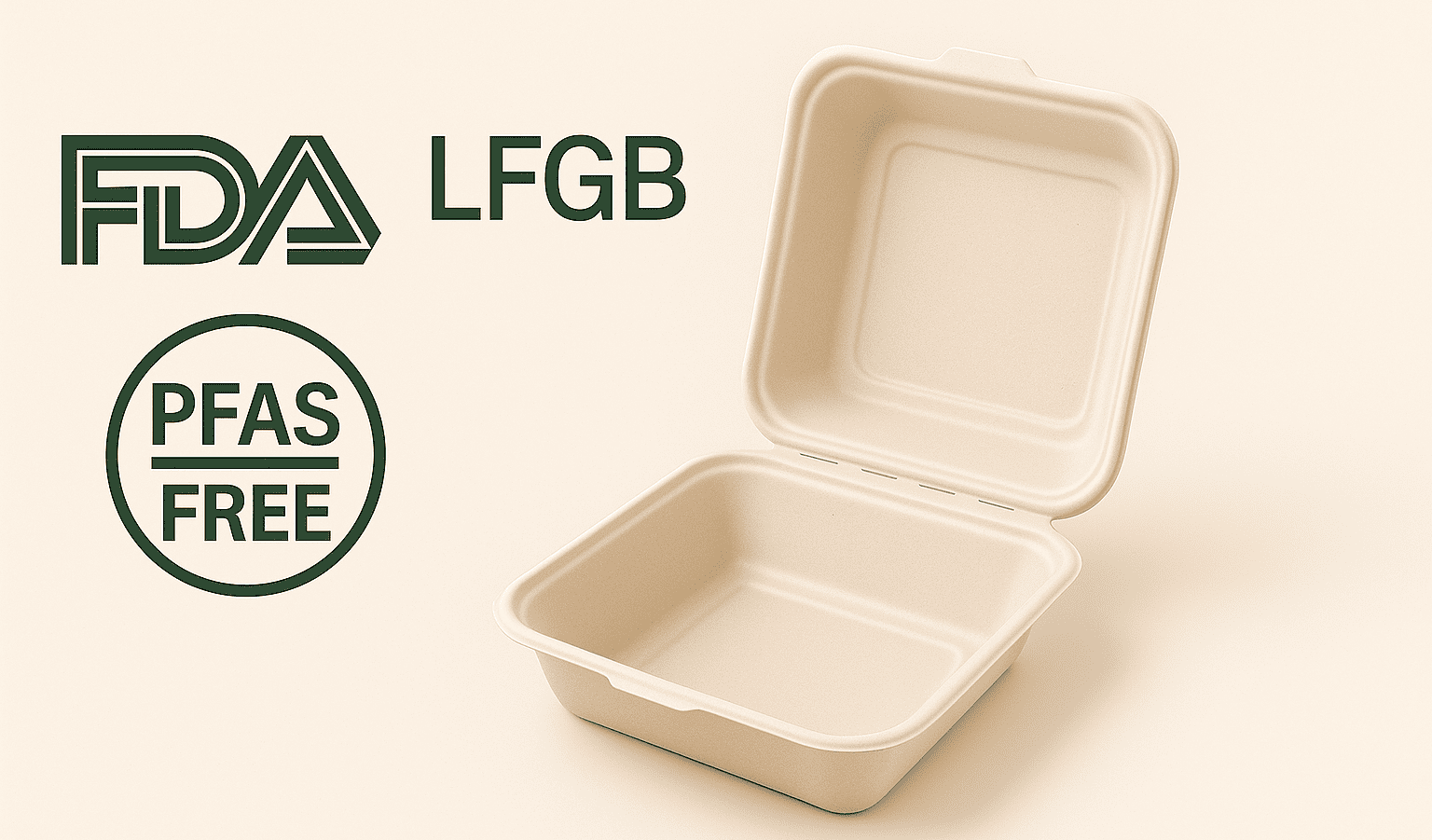
This is the most important question you can ask a supplier. Just because a plate is made from sugarcane doesn't automatically make it safe. Food safety comes from diligent manufacturing and transparent sourcing. In the past, many molded fiber products used PFAS chemicals (so-called "forever chemicals") to achieve grease resistance. As health concerns grew, the industry shifted. Reputable manufacturers like us now use safe, FDA-compliant, PFAS-free alternatives. You, as a buyer, have the right to know what's in your product. A trustworthy partner will be able to immediately provide you with a Letter of Guarantee confirming compliance with FDA regulations (like 21 CFR 176.170) and independent lab reports verifying that the products are PFAS-free. Don't just accept a verbal "yes"; ask for the proof.
Conclusion
Bagasse tableware1 is a fantastic innovation: strong, versatile, and made from reclaimed agricultural waste. By choosing a supplier that guarantees it is both FDA / LFGB compliant and PFAS-free, you get a truly sustainable product.
Explore the advantages of bagasse tableware, a sustainable alternative to plastic and paper, and learn how it can benefit your eco-friendly lifestyle. ↩
Learn about sugarcane fiber, its properties, and how it's transformed into sustainable products like bagasse tableware. ↩
Understand the meaning of compostable and why it's important for sustainable products and waste management. ↩
Explore the criteria that define a sustainable choice and how to make informed purchasing decisions. ↩
Explore the concept of agricultural byproducts and how they can be utilized in sustainable manufacturing. ↩
Learn about renewable resources, their importance in sustainability, and how they differ from non-renewable resources. ↩
Understand the importance of grease resistance in food packaging and how it affects product performance. ↩
Understand PFAS chemicals, their health risks, and the importance of choosing PFAS-free products. ↩
Get tips on effective home composting practices to turn organic waste into nutrient-rich soil. ↩
Learn what food-safe means in packaging and why it's essential for consumer health and safety. ↩
Understanding FDA regulations ensures that your eco-friendly products are safe and compliant, protecting your business and customers. ↩
Understanding LFGB certification is crucial for ensuring food safety and compliance in the European market. ↩