Tired of plastic waste but worried about the cost of going green? You want to help the planet, but your budget is tight. There are many affordable solutions available now.
The cheapest eco-friendly alternatives to plastic include recycled paper1 for packaging, bagasse2 for tableware, and reusable items3 like cotton bags. These options reduce waste and are often very cost-effective, especially when bought in bulk or used over time.
I've spent years looking for ways to cut down on plastic without breaking the bank. It's a journey that many of us are on, and the good news is that it's easier than you think. There are so many smart and affordable choices out there that perform just as well as plastic, if not better. Let's explore some of the best options I've found, starting with materials you probably already have at home and then moving on to some exciting innovations.
Can Paper and Cardboard Really Replace Plastic Affordably?
Struggling to find cheap packaging options? Plastic seems easy, but its environmental cost is high. Paper and cardboard offer a sustainable, low-cost alternative for many of your everyday needs.
Yes, recycled paper1 and cardboard are excellent cheap alternatives. They can replace plastic in bags, mailers, and food boxes. They are widely recyclable and often made from post-consumer waste, which helps keep their costs down and reduces landfill.

When I first started my small online business, shipping was a major concern. I almost went with plastic bubble mailers because they seemed cheap and easy. But I took a moment to look into paper-based options and was pleasantly surprised. Not only were cardboard boxes and paper mailers competitively priced, but my customers also appreciated the eco-friendly touch. Paper and cardboard are incredibly versatile. They come from a renewable resource and, especially when using recycled content, have a much lower environmental footprint4 than virgin plastic. The key is to match the right type of paper product to the right job.
Choosing the Right Paper Product
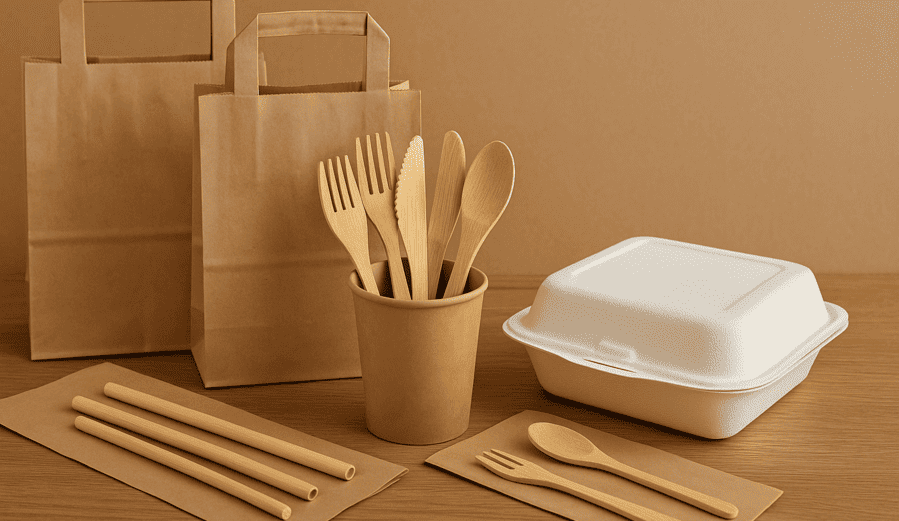
- Kraft Paper5: This is the brown paper you often see in grocery bags or for wrapping parcels. It's strong and inexpensive. I use it for wrapping individual items before placing them in a box.
- Cardboard: Corrugated cardboard is perfect for shipping boxes because its layered design provides cushioning and strength. It's also surprisingly lightweight, which helps keep shipping costs down.
- Paperboard: This is a thinner material used for things like cereal boxes or takeout containers that don't hold liquids. It's less expensive than thick cardboard but still offers good structure.
Here's a quick comparison for common uses:
| Use Case | Plastic Option | Paper/Cardboard Alternative | Cost & Benefit |
|---|---|---|---|
| Shopping Bags | Single-Use Plastic Bag | Kraft Paper5 Bag | Paper is cheap and easily recyclable. |
| Shipping Mailers | Plastic Bubble Mailer | Padded Paper Mailer | Competitively priced, curbside recyclable. |
| Food Boxes | Plastic Clamshell | Coated Paperboard Box | Great for dry/greasy foods, non-compostable. |
Is Plant-Based Tableware Like Bagasse Actually a Budget-Friendly Choice?
Planning an event and dreading the mountain of plastic plates and cutlery? You want a green solution, but disposable plates can be pricey. There's a plant-based option that might surprise you.
Absolutely. Bagasse, made from sugarcane waste, is a cheap and strong alternative to plastic or polystyrene plates and containers. It’s fully compostable6, heat-tolerant, and very affordable when you purchase it in bulk for parties or food service businesses7.
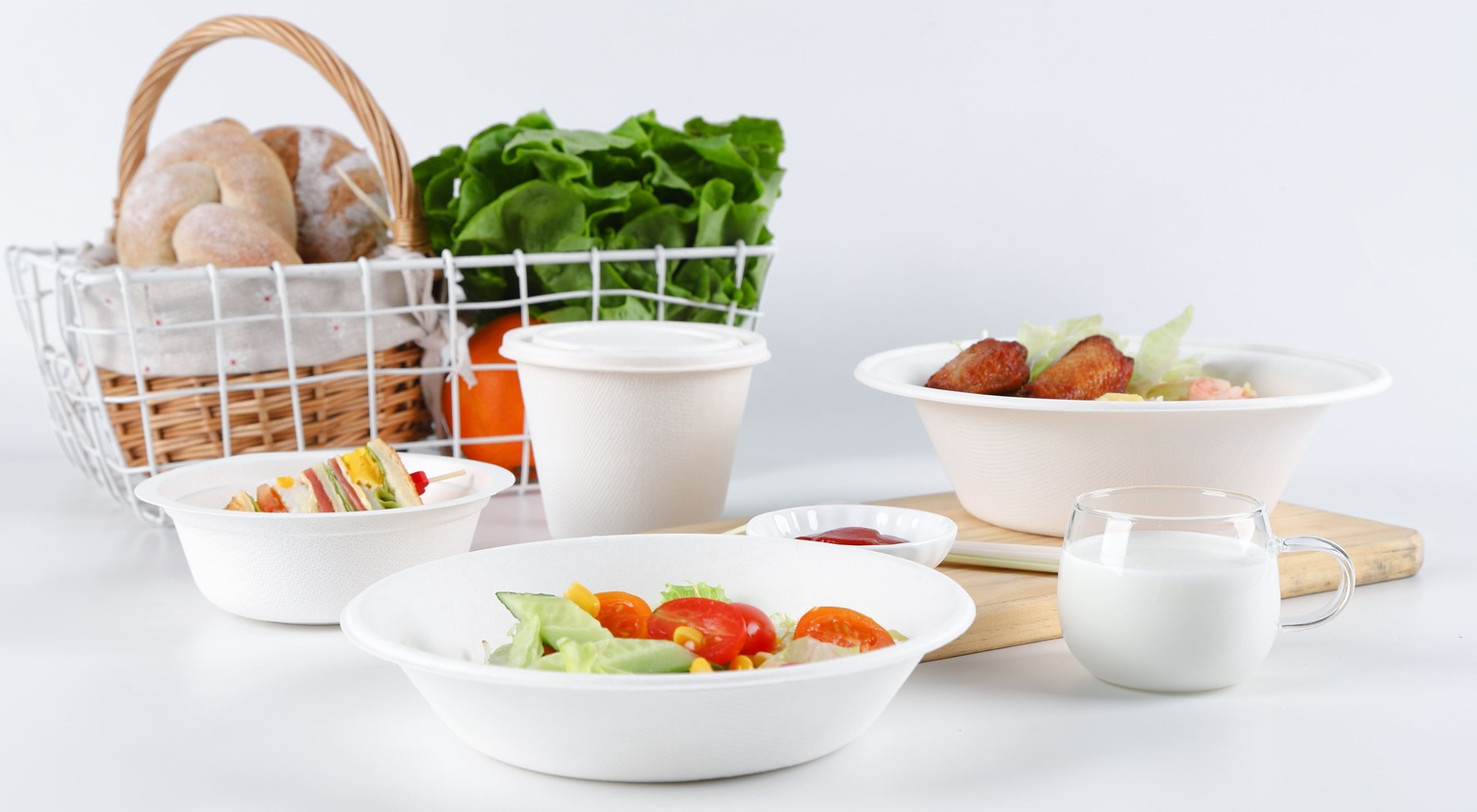
I remember organizing a family barbecue and feeling terrible about the trash bags full of plastic plates we created. For the next event, I decided to try something different. I found bagasse tableware online. I learned that it's made from sugarcane pulp, which is a byproduct of the sugar industry. It's basically turning waste into something valuable. I was worried it would be flimsy or expensive, but it was neither. The plates were sturdy enough to handle heavy, saucy food, and because I bought a large pack, the cost per plate was nearly the same as the cheap plastic ones. Plus, we could just toss them in our backyard compost bin afterward.
Why Bagasse is a Great Choice
- From Waste to Value: It uses an agricultural byproduct that would otherwise be discarded. This is a huge environmental win.
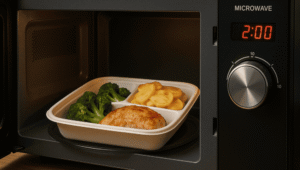
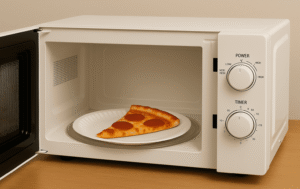
- Performance: It's surprisingly strong. Unlike flimsy paper plates, it doesn’t get soggy quickly and can handle both hot and cold foods. It's also microwave and freezer safe.
- Truly Eco-Friendly: Bagasse is both home and commercially compostable6, breaking down into nutrient-rich soil in a few months. This is much better than plastic, which sticks around for centuries.
| Feature | Plastic Plates | Polystyrene Foam Plates | Bagasse Plates |
|---|---|---|---|
| Material | Fossil Fuels | Fossil Fuels | Sugarcane Waste (Renewable) |
| Durability | Good, but can crack | Flimsy, melts with heat | Excellent, sturdy, heat-resistant |
| Cost (Bulk) | Low | Very Low | Low to Competitive |
| End-of-Life | Landfill (500+ years) | Landfill (500+ years) | Compost (90 days) |
Are Reusable Bags and Containers Worth the Initial Cost?
Paying for single-use plastic bags every time you shop feels wasteful, right? You want a better way, but buying a sturdy tote or water bottle seems expensive upfront. The long-term savings are significant.
Definitely. While a jute or cotton tote bag costs more than one plastic bag, you only buy it once. After just a handful of uses, it becomes more cost-effective. The same money-saving logic applies to reusable coffee cups and water bottles.

I used to be guilty of always forgetting my reusable bags. But then I did some simple math. My local store charged 10 cents for a plastic bag. It doesn't sound like much, but with two grocery trips a week using about four bags each time, I was spending over $40 a year on plastic bags! I bought two sturdy cotton tote bags for $5 each. I kept one in my car and one by the front door so I wouldn't forget them. Within three months, they had already paid for themselves. Now, three years later, those same bags have saved me over a hundred dollars and stopped hundreds of plastic bags from ending up in the trash. It’s a small change in habit that makes a big financial and environmental difference over time.
The Power of Cost-Per-Use
The key is to think about "cost-per-use8" instead of the initial price. A single-use item is cheap for one use, but the cost adds up. A reusable item has a higher initial cost but gets cheaper every time you use it.
- Reusable Bags: Jute and cotton are durable, natural fibers. A good bag will last for years.
- Reusable Bottles: A stainless steel water bottle9 can replace thousands of single-use plastic bottles over its lifetime, saving you a huge amount of money.
- Reusable Coffee Cups: Many cafes even offer a small discount when you bring your own cup, so it pays for itself even faster.
Let's look at the break-even point for a shopping bag:
| Item | Initial Cost | Cost Per Use (Year 1, used 100 times) |
|---|---|---|
| Single-Use Plastic Bag | $0.10 | $0.10 |
| Reusable Cotton Bag | $5.00 | $0.05 |
After just 50 uses, the reusable bag becomes the cheaper option.
What About New Materials Like Mycelium or Seaweed? Are They Affordable Yet?
Tired of the same old eco-options? You hear about futuristic materials but assume they're too expensive for regular people. Some are becoming surprisingly accessible and effective for specific uses.
Some new materials are becoming very competitive. Mycelium (mushroom root) packaging can replace polystyrene foam at a similar cost for protective inserts. Starch-based packing peanuts are also cheap and dissolve in water, offering a great alternative to plastic.

I was fascinated when I first read about packaging grown from mushrooms. It sounded like science fiction! This material, called mycelium, is essentially the root structure of mushrooms. Companies are now using agricultural waste, like hemp or corn husks, as a food source for the mycelium. They place it in a mold, and in a few days, it grows into the exact shape needed for protective packaging—like the foam inserts that protect a new television. While it’s not something you can buy at the store yet, businesses are starting to use it because it performs just as well as polystyrene and can be composted at home. Another simple but brilliant alternative is starch-based packing peanuts10. Unlike their styrofoam cousins, these are cheap, non-toxic, and dissolve completely in water. I once received a package full of them and just tipped them into my sink—they vanished without a trace!
Emerging Eco-Friendly Materials
These materials are solving specific plastic problems in clever ways.
- Mycelium Packaging:
- Pros: Grows from waste, fully compostable6, great for shock absorption, cost-competitive with polystyrene for custom shapes.
- Cons: Not yet widely available for consumer purchase, best for commercial shipping.
- Starch-Based Packing Peanuts:
- Pros: Very cheap, lightweight, non-toxic, dissolves in water or can be composted.
- Cons: Can't get wet during shipping, offers less protection than some foam options.
- Seaweed & Cellulose Films:
- Pros: Can replace plastic film and sachets, some types are even edible, fully biodegradable.
- Cons: Still more expensive than plastic, best for dry goods or products with a short shelf life.
Conclusion
Switching from plastic doesn't have to be expensive. By choosing options like bagasse2, paper, or reusables, you can save money and help protect the environment at the same time.
Explore how recycled paper can reduce waste and save costs while being eco-friendly. ↩
Learn about bagasse, a sustainable material made from sugarcane waste, and its benefits. ↩
Discover a variety of reusable items that can help you save money and reduce plastic waste. ↩
Discover ways to minimize your environmental footprint through smart packaging choices. ↩
Find out why Kraft paper is a strong, eco-friendly choice for packaging needs. ↩
Understand the significance of compostable materials in reducing plastic waste. ↩
Find out how food service businesses can adopt eco-friendly practices to reduce waste. ↩
Understand the concept of cost-per-use and how it can save you money in the long run. ↩
Find out how stainless steel water bottles can save you money and reduce plastic waste. ↩
Learn about the eco-friendly benefits of starch-based packing peanuts as an alternative. ↩