Worried about chemicals in your disposable plates? You hear about toxins in plastics and wonder if plant-based options are truly safe. Bagasse offers a natural, worry-free solution.
Yes, bagasse tableware is safe when it meets food-contact standards like those from the FDA and EU. It is made from natural sugarcane fiber1, free from harmful chemicals like BPA2 and phthalates3. Modern, high-quality bagasse is also PFAS4-free, making it a reliable choice for your meals.

As someone who's dedicated my career to sustainable packaging5 at Webester Eco Pack, I get this question all the time. The short answer is yes, but the details matter. True safety goes beyond just the raw material. It involves certifications, manufacturing processes, and how you use the product. Let's dig into what makes bagasse a trustworthy choice for your food.
What Harmful Chemicals Are You Avoiding with Bagasse?
You choose disposable plates for convenience but worry about what they're made of. News about BPA2 and other chemicals is unsettling. Bagasse lets you avoid these common toxins entirely.
High-quality bagasse tableware is naturally free from BPA2, phthalates3, and melamine, common chemicals found in many plastics. It's simply pressed plant fiber, meaning you don't have to worry about these specific toxins leaching into your food.
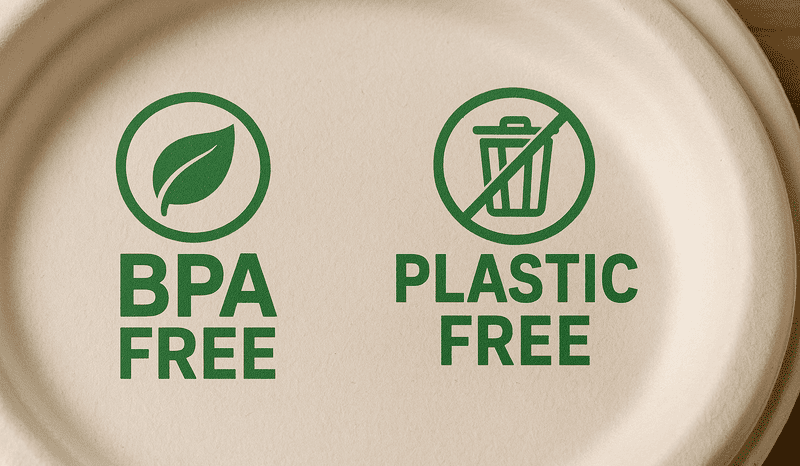
I often talk to clients who are switching from plastic or foam containers. Their biggest concern is safety, especially for hot foods. They want to know what they're not getting. Bagasse is defined by what it lacks. It is not made with the industrial chemicals that are common in plastic production. This means you can serve food with confidence. Our manufacturing process uses high heat and pressure to mold the sugarcane pulp, with no need for chemical binders6 or plastic liners. This purity is what makes it such a safe material for food contact.
Here’s a quick comparison of what you avoid by choosing bagasse:
| Chemical Concern | Found in Many Plastics? | Found in Bagasse? | Health Risk |
|---|---|---|---|
| BPA | Yes (e.g., Polycarbonate) | No | Hormone disruption, developmental issues |
| Phthalates | Yes (e.g., PVC) | No | Linked to reproductive and developmental problems |
| Melamine | Yes (in some plastics) | No | Can cause kidney issues if it leaches into food |
When you see certifications like FDA and LFGB on our products, it’s an official confirmation that they have been tested and are safe for contact with food.
What About PFAS in Bagasse Tableware?
You heard that some eco-friendly products contain "forever chemicals." This makes you second-guess your choices. The good news is that the industry has already moved on.
While some older bagasse products used PFAS4 for grease-proofing7, the industry standard is now PFAS-free. Reputable manufacturers like us only produce certified PFAS-free bagasse, ensuring it's completely safe and fully compostable8 without leaving harmful residues behind.
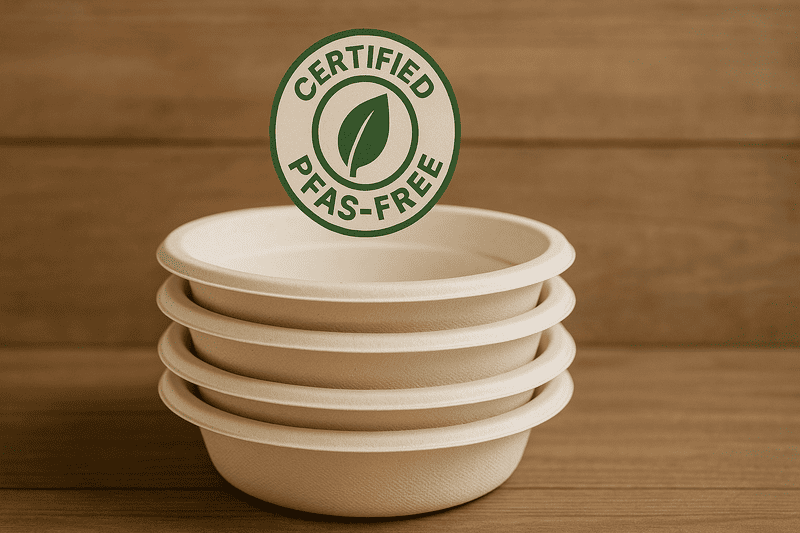
Let's be direct about this issue because your trust is important. A few years ago, chemicals called PFAS were used to make many food packaging products, including some bagasse items, resistant to oil and water. We later learned these "forever chemicals" don't break down and can be harmful. The industry had to change. At Webester Eco Pack, we immediately embraced new, innovative methods to achieve grease resistance without PFAS. We now use a denser fiber structure and natural processes to get the performance you need. It’s a cleaner, safer technology.
Choosing certified PFAS-free bagasse means:
- It's Safe for Your Health: You don't have to worry about these specific chemicals migrating into your meal.
- It's Truly Compostable: The product will break down into natural elements in a commercial facility without leaving toxic chemicals in the soil.
- You're Making a Better Choice: You are supporting a technology that prioritizes both human health and environmental responsibility.
Always look for a "PFAS-Free" claim or BPI certification, which now mandates that products be free of intentionally added PFAS to be certified as compostable.
Can You Safely Use Bagasse with Hot Foods and Microwaves?
You need disposable tableware that can handle a hot meal. But you're worried about it getting soggy, melting, or releasing chemicals when heated. Bagasse is built for the job.
Yes, bagasse9 is excellent for hot, cold, and oily foods. It's also microwave-safe for reheating. However, it is not oven-safe and should not be exposed to direct flames. Its natural fibers handle heat well without melting or leaching chemicals.
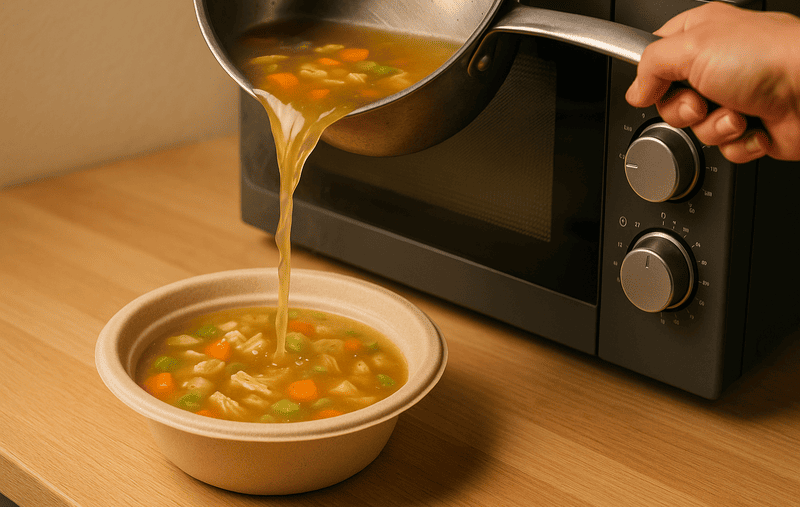
Picture a steaming bowl of soup or a greasy burger. You need a container that won't fail. Unlike foam that can melt or thin plastic that can warp, bagasse maintains its strength and structure with hot food. I've personally tested our bowls with boiling water, and they hold up beautifully. This is because the dense, interlocking plant fibers are naturally resistant to heat and grease. You can safely reheat food in the microwave for short periods, making it perfect for leftovers. However, it's important to know its limits. It’s made of fiber, so it's not designed for the high, dry heat of a conventional oven, broiler, or an open flame.
Here are some simple do's and don'ts for using bagasse safely:
- DO use it for hot soups, coffee, and oily foods.
- DO reheat food in the microwave for a few minutes.
- DO store it in a clean, dry place before use to prevent moisture from causing mold.
- DON'T use it in a conventional oven, toaster oven, or broiler.
- DON'T expose it to a direct flame.
- DON'T pour extremely hot oil (above 200°C / 392°F) directly onto it.
Are There Hidden Risks Like Allergens or Microplastics?
Even with natural products, you might worry about hidden issues. Allergies are a concern, and microplastics10 are everywhere. Bagasse provides peace of mind on both fronts.
Bagasse poses a very low allergen risk11 because the sugarcane proteins are removed during processing. Critically, unlike plastic-lined paper products, bagasse9 does not shed microplastics10 into your food, making it a cleaner, healthier choice.
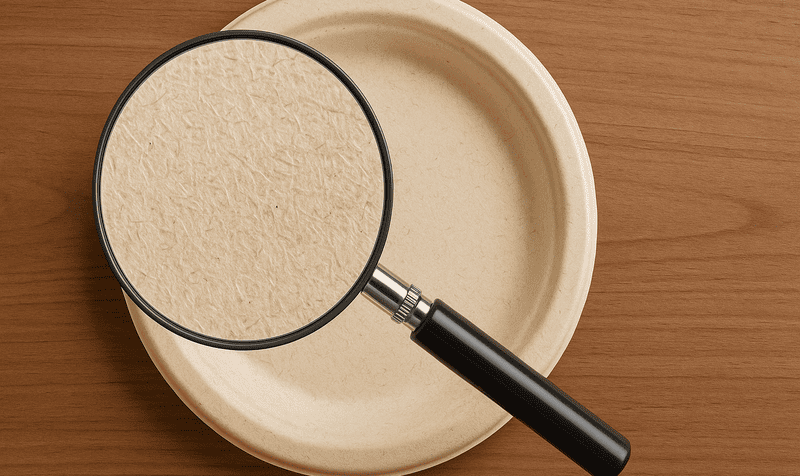
Two of the biggest "invisible" concerns in food safety today are allergens and microplastics10. I'm proud to say that bagasse performs exceptionally well in both areas. First, allergens. Although bagasse comes from sugarcane, the manufacturing process removes the sugars and proteins that typically cause allergic reactions. It is widely considered safe for people with common food allergies. Second, and perhaps more importantly, is the issue of microplastics. Studies have shown that plastic-lined paper cups can release trillions of microplastic particles into a hot beverage. Bagasse is different. It is a pure fiber product. There is no plastic liner to break down and shed into your food. This makes it a fundamentally cleaner and healthier material to eat from.
Here are some of the hidden safety benefits of bagasse:
- No Microplastic Shedding: You avoid ingesting tiny plastic particles, especially with hot foods and drinks.
- Extremely Low Allergen Risk: The pulping process makes it safe for most individuals.
- No Taste Transfer: It's an inert material that won't impart a papery or chemical taste to your food.
Conclusion
Bagasse is a safe, reliable, and smart choice. When you choose certified, PFAS-free products, you get convenience without compromising on health for your family or your customers.
Find out how sugarcane fiber is used in sustainable packaging and its benefits. ↩
Learn about the dangers of BPA and why choosing BPA-free products is crucial for your health. ↩
Understand the impact of phthalates on health and why avoiding them in food packaging is important. ↩
Discover the risks associated with PFAS and how to choose safer alternatives in food packaging. ↩
Discover the advantages of sustainable packaging for both health and the environment. ↩
Learn about chemical binders and why avoiding them is important for food safety. ↩
Explore the methods used for grease-proofing and their implications for food safety. ↩
Learn about compostable materials and their environmental benefits compared to traditional plastics. ↩
Explore the advantages of bagasse, a sustainable alternative to plastic that is safe and eco-friendly. ↩
Understand the issue of microplastics in food and why choosing the right packaging matters. ↩
Explore the allergen risks associated with various food packaging materials. ↩