You have delicious leftovers in a paper takeout box and you're ready to eat. But a flicker of doubt stops you. Is it safe to put this in the microwave?
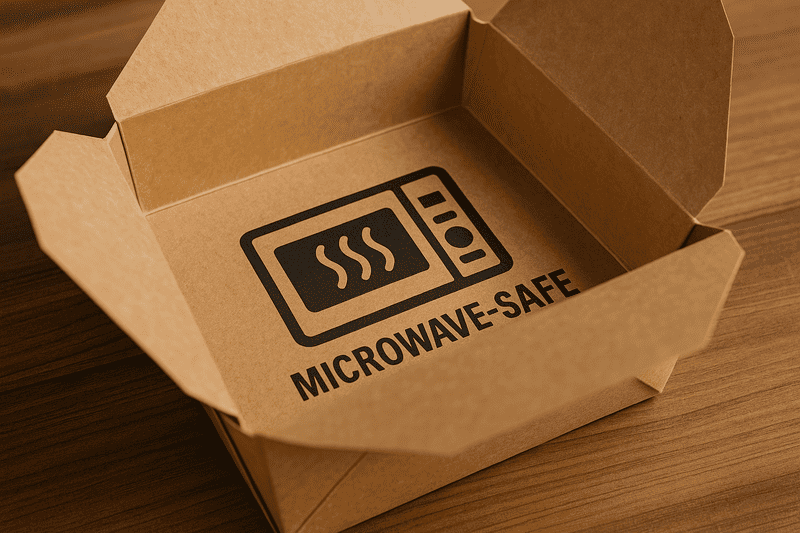
Only microwave a paper box if it is clearly labeled "microwave-safe1." Many boxes contain metal, plastic linings2, or glues that can spark a fire, melt, or leach harmful chemicals into your food when heated, making them unsafe.
As someone who works with food packaging3 every day, this is a question I take very seriously. The convenience of zapping your leftovers directly in the container is tempting, but the consequences of getting it wrong can range from a ruined meal to a kitchen fire. The truth is, not all paper boxes are created equal. You need to know exactly what to look for to ensure your food is not only hot but also safe.
How Can I Tell if a Paper Box is Safe to Microwave?
You're staring at the box, but there’s no obvious sign. How do you avoid making a dangerous mistake? The fear of sparks or a fire in your microwave is a valid concern.
First, look for a "microwave-safe1" symbol. Second, and just as important, check for any metal. This includes wire handles, staples, or foil details. If you see any metal, it absolutely cannot go in the microwave.
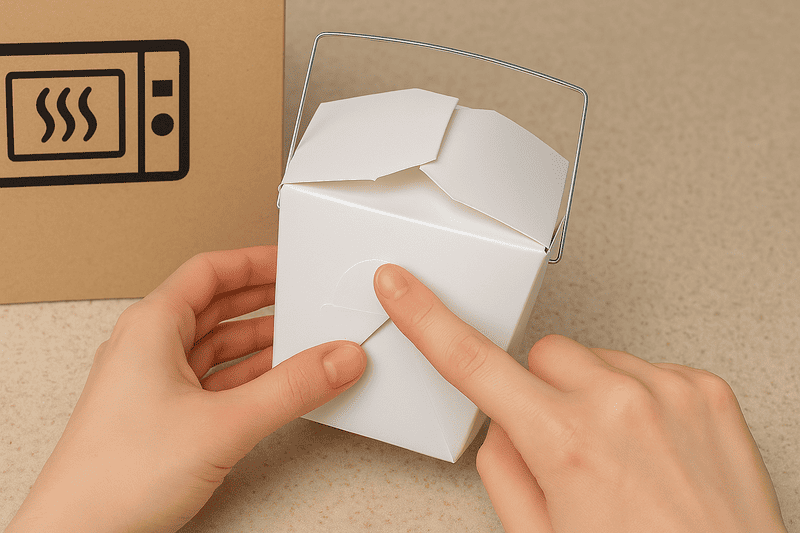
This is the absolute first check I tell my family and friends to perform. It's a simple, two-step process that can prevent most microwave disasters4. The "microwave-safe" symbol, which usually looks like a dish with wavy lines above it, is your best indicator. But sometimes, especially with generic takeout, that symbol is missing. That’s when the second step becomes critical. Metal reflects microwaves, causing sparks (a phenomenon called arcing) that can damage your appliance and even ignite the paper.
- The "Microwave-Safe" Symbol: This is the manufacturer's guarantee that the product has been tested for microwave use. If it's there, you are generally good to go.
- No Metal, Period: The classic folded Chinese takeout boxes with thin metal handles are the most common culprits. Remove the handle if you can, but also check for hidden staples5 in the box's construction.
- Beware Brown Paper: Never microwave plain brown paper bags or boxes made from simple brown craft paper. They aren't treated for heat, can release fumes, and can easily catch fire.
What Are the Hidden Dangers of Microwaving Paper Boxes?
The box has no metal and looks fine, so you think you're in the clear. But the biggest dangers are often the ones you can't see, lurking in the materials of the box itself.
Many paper boxes have a thin plastic or wax lining to prevent leaks. If not marked microwave-safe, this lining can melt or warp, leaching chemicals and microplastics directly into your hot food.
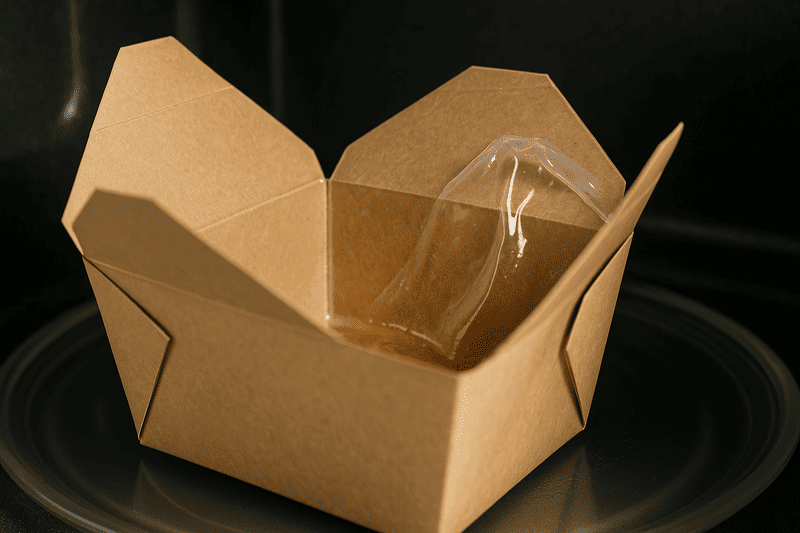
This is where my professional expertise really comes into play. A paper box is rarely just paper. To hold greasy or wet food, it needs help. That help comes in the form of a lining, usually polyethylene (PE) or sometimes a compostable bioplastic (PLA). When you microwave these, you are essentially heating plastic. The heat can cause the polymer to break down, releasing not just chemical additives but also billions of tiny microplastic particles.
Invisible Risks to Consider:
- Lining Integrity: A non-microwave-safe1 lining can melt into your food, warp the container, or peel away. This is an obvious sign of failure.
- Chemical Leaching: Older containers may have grease-proofing agents6 like PFAS7. Heat dramatically increases the rate at which these "forever chemicals" can migrate from the packaging into your meal.
- Glues and Adhesives: The adhesives used to hold the box together can soften or melt at high temperatures. This can cause the box to leak hot food or, worse, release chemicals from the glue.
If the Box is Safe, What Is the Right Way to Microwave It?
You’ve confirmed the box is microwave-safe1. But just tossing it in can still lead to problems like explosions from steam or super-hot spots that scorch the paper and ruin your food.
Always vent the container by leaving the lid ajar. Heat in short, 60-second intervals, stirring the food in between. This prevents dangerous steam buildup8 and ensures the food heats evenly without damaging the box.
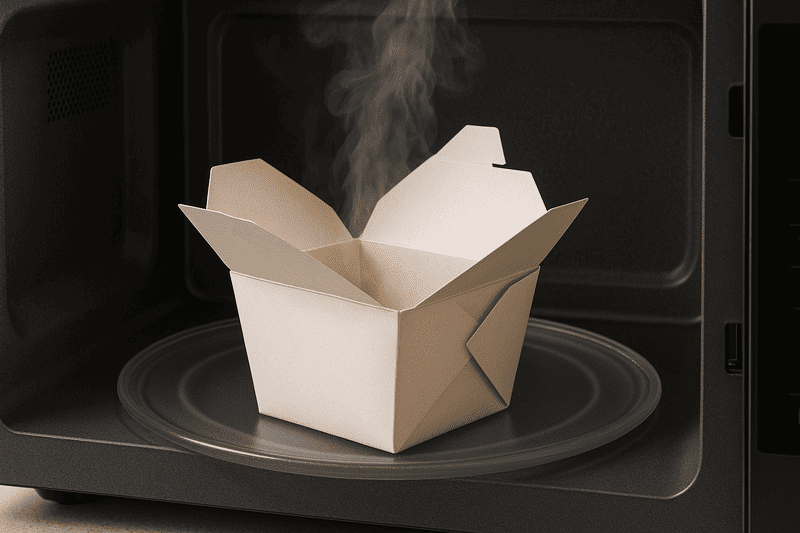
Following the right procedure is just as important as choosing the right container. Steam is powerful. A sealed container can easily warp, pop open, or even burst, splattering hot food all over your microwave. I always follow a simple set of rules at home, even with a container I know is safe. This ensures the food is perfectly reheated without any drama.
Best Practices for Microwaving:
- Vent the Lid: Never seal the container completely. Leave a corner open for steam to escape.
- Heat in Short Bursts: Microwave on high for one minute, then take the box out and stir the food. This breaks up hot spots and cold spots.
- Be Careful with Fats and Sugars: Foods high in fat or sugar (like oily sauces or desserts) can get much hotter than water. These hot spots can scorch and weaken the paper container. Consider using a lower power setting.
- Don't Microwave an Empty Box: Ensure there is food in the container. An empty paper box can overheat very quickly and become a fire hazard.
Is It Just Better to Use a Different Container?
With all these rules and risks, you might be wondering if it's even worth it. Is there a simpler, foolproof way to reheat your leftovers without having to worry about any of this?
Yes. The safest and easiest option is to always transfer your food from the paper takeout box to a glass or ceramic dish9 before microwaving. This completely eliminates any risk associated with the packaging.
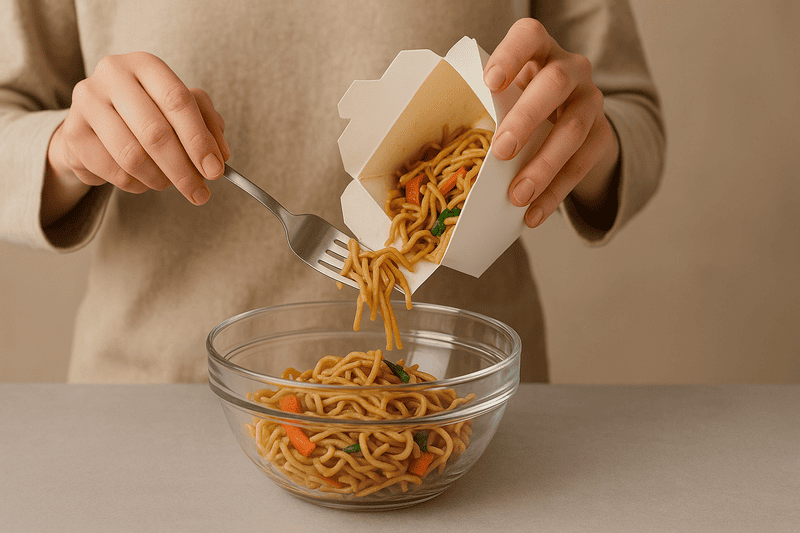
Honestly, this is what I do 99% of the time. It gives me total peace of mind. Glass and ceramic are inert materials, meaning they won't react with your food or leach anything into it, no matter how hot it gets. It might add 30 seconds of prep time and one extra dish to wash, but it removes every single variable: no worries about hidden metal, melting plastic, microparticles, or chemical leaching10. It is the gold standard for food safety11.
| Method | Safety Risk | Convenience |
|---|---|---|
| Microwave in Paper Box | High (if not certified safe) | High |
| Transfer to Glass/Ceramic | None | Medium |
While the industry is developing better, inherently safe packaging, the best choice for you today is the one in your kitchen cabinet.
Conclusion
Always check for a "microwave-safe1" label and ensure there is no metal. When in doubt, transfer your food to a glass or ceramic dish9. It is the simplest way to guarantee a safe meal.
Understanding the microwave-safe label is crucial for ensuring your food is heated safely without harmful effects. ↩
Discover the hidden risks of plastic linings in food packaging and how they can affect your health. ↩
Gain insights into food packaging safety to make informed choices for your health. ↩
Learn about common mistakes in microwaving and how to prevent kitchen disasters. ↩
Learn about the risks of hidden staples in food packaging and how to avoid them. ↩
Understand the role of grease-proofing agents in food packaging and their potential health risks. ↩
Understand the dangers of PFAS chemicals in food packaging and their long-term health effects. ↩
Explore the dangers of steam buildup in microwaving and how to prevent it. ↩
Discover why transferring food to glass or ceramic is the safest option for reheating leftovers. ↩
Explore how chemicals can migrate from packaging into your food and the implications for your health. ↩
Get essential tips for ensuring food safety when reheating leftovers in the microwave. ↩