You want to reheat last night's takeout, and it's already in a paper bowl. But you pause, hand on the microwave door, wondering if it's safe or a recipe for disaster.
You can microwave a paper bowl only if it is explicitly labeled "microwave safe1." For a consistently safer and more eco-friendly option, sturdy sugarcane bagasse bowls2 are a superior choice, designed to handle heat without leaching chemicals or melting.
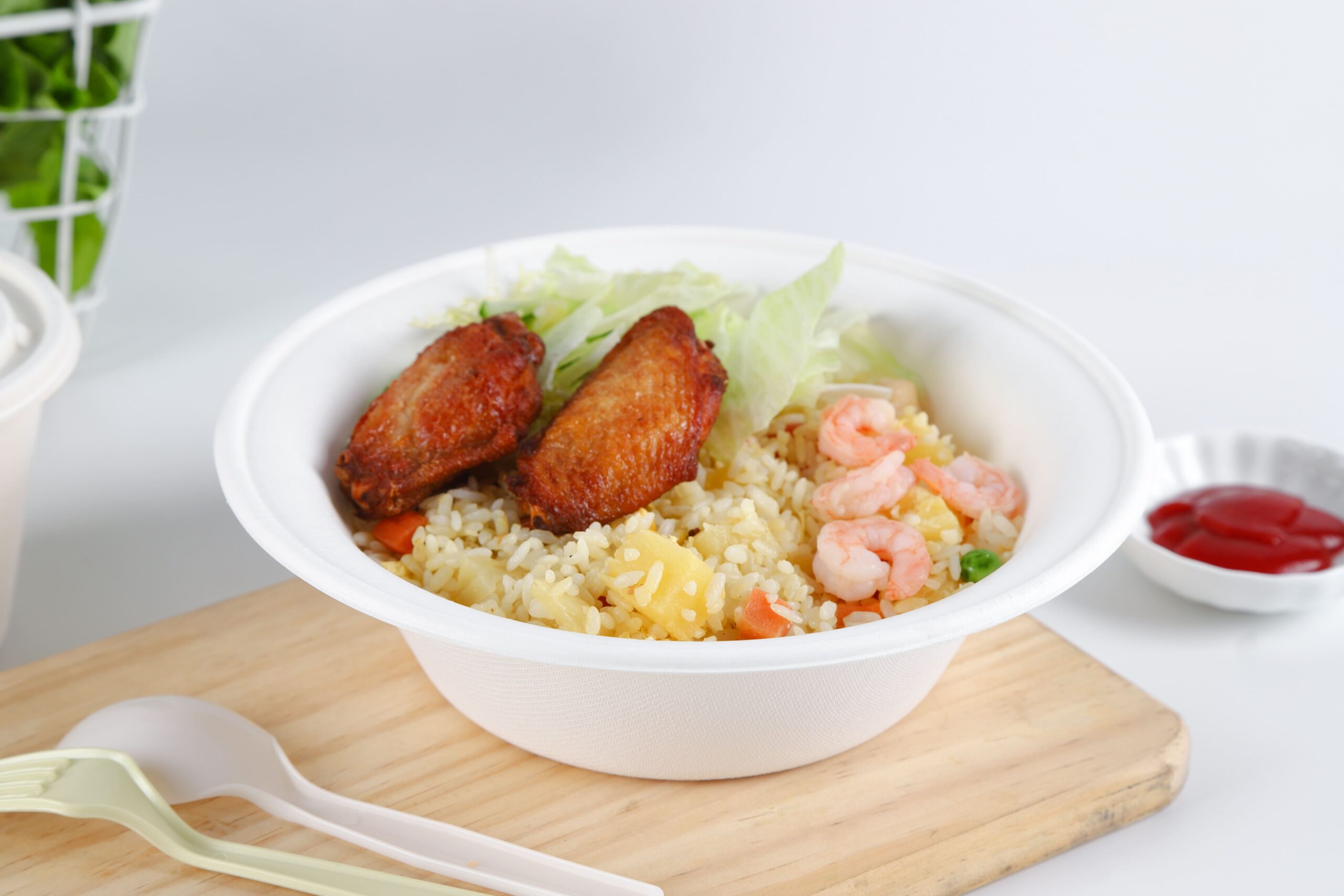
As someone who manufactures sugarcane bagasse tableware, this question is at the heart of what we do. We create a better alternative to both plastic and flimsy paper products by turning sugarcane fiber—a natural byproduct of the sugar industry—into durable, reliable bowls and plates. The truth is, not all disposable bowls3 are created equal, especially when it comes to microwave safety4 and environmental impact5. Let's look at why choosing the right material matters.
How can you tell if a paper bowl is actually microwave-safe?
You're staring at the bowl, but there's no obvious clue. You don't want to just guess and hope for the best, because the wrong choice could ruin both your food and your appliance.
The only reliable way to know is to find the "microwave safe1" label. However, bowls made from sugarcane bagasse are inherently designed for hot foods and microwave use, making them a more trustworthy option than standard paper bowls.
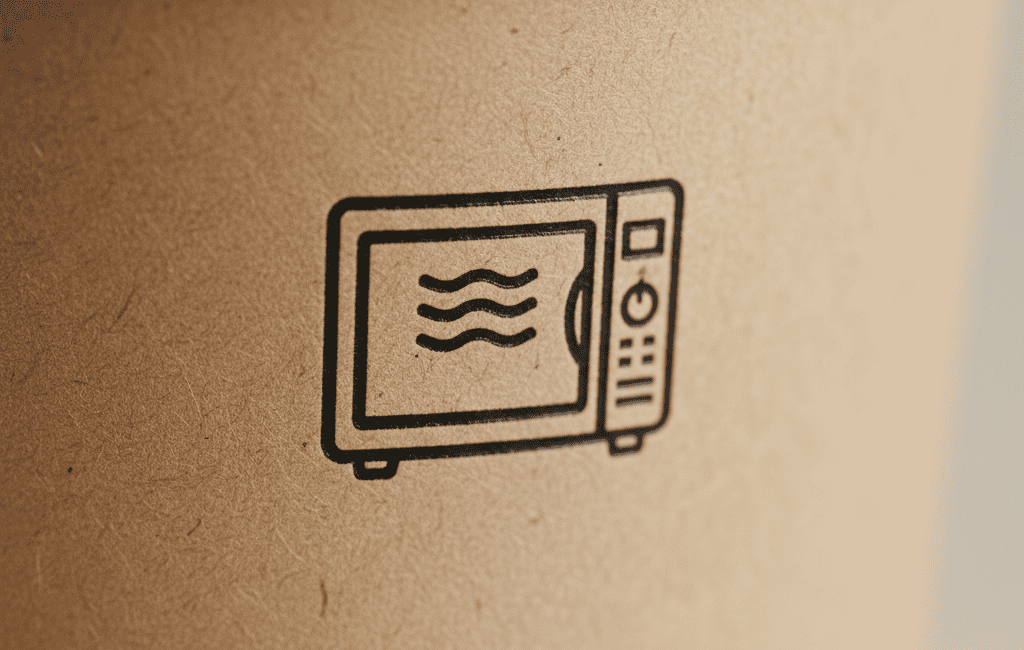
Clear labeling is critical. The "microwave safe1" symbol is a manufacturer's promise. But the material itself is a better indicator. While some paper bowls are safe, many are not. In contrast, sugarcane bagasse is a dense, fibrous material that is naturally heat and grease resistant. We engineered our products to be sturdy from the start, so they don't require the questionable coatings common on cheaper paper bowls. This means they are not only safe but also perform better when heated. The rule is simple: if it's a standard paper bowl and you have doubts, don't use it. If you have a bagasse bowl, you can proceed with confidence.
Quick Safety Check: Paper vs. Bagasse
| Feature | Standard Paper Bowl (Unsafe) | Sugarcane Bagasse Bowl (Safe) |
|---|---|---|
| Labeling | Often has no label or a "do not microwave" warning. | Typically labeled microwave-safe and freezer-safe. |
| Material Feel | Can be thin, flimsy, with a waxy or plastic feel. | Sturdy, rigid, with a natural fiber texture. |
| Performance | Prone to getting soggy, warping, or melting. | Holds its shape and strength when heated. |
What makes some paper bowls unsafe for the microwave?
It's just paper, so what's the big deal? You might think the worst that could happen is the bowl gets a little soggy. But some materials can cause much more serious problems.
The danger comes from hidden elements: plastic or wax coatings that melt, metallic inks that spark, and glues that can release fumes. High-quality sugarcane bagasse avoids these issues because its natural fibers6 provide the necessary structure and resistance.
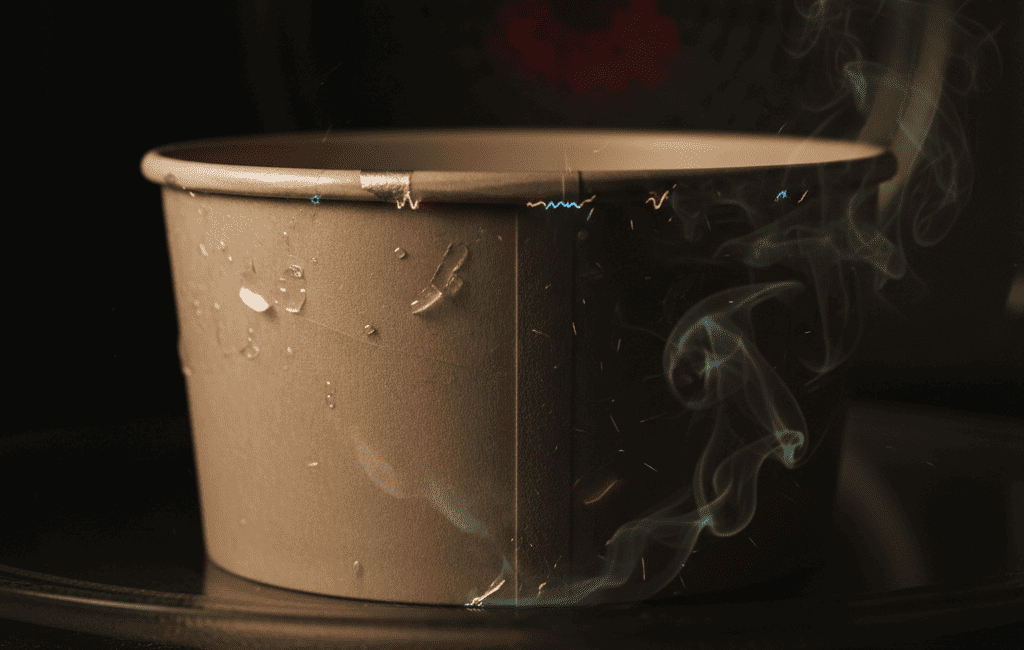
Let’s break down the hidden risks in standard paper bowls:
- Metallic Details: Even a small, shiny logo or a thin metallic rim can create sparks in the microwave, posing a serious fire hazard.
- PE Plastic Linings: Most paper bowls rely on a thin polyethylene (PE) plastic coating to hold liquids. When heated, this coating can melt and potentially mix with your food.
- Weak PLA Linings: Some "eco-friendly" paper bowls use a PLA (plant-based plastic) lining. This is often worse for microwaving, as it can soften and deform at low temperatures, causing the bowl to collapse.
- The Sugarcane Bagasse Advantage: Our products don't have these weaknesses. Their dense, natural fiber structure is inherently strong and moisture-resistant, eliminating the need for flimsy plastic linings that can fail under heat. This makes it a cleaner, safer design from the start.
What makes bagasse the superior choice for heating and the environment?
So you've confirmed a bowl is "microwave safe1." But safety is just one part of the story. You also want convenience and a choice you can feel good about.
Sugarcane bagasse excels where paper and plastic fail. It handles heat reliably, is made from a recycled agricultural byproduct, and is 100% compostable7, breaking down into soil far more effectively than most paper products.
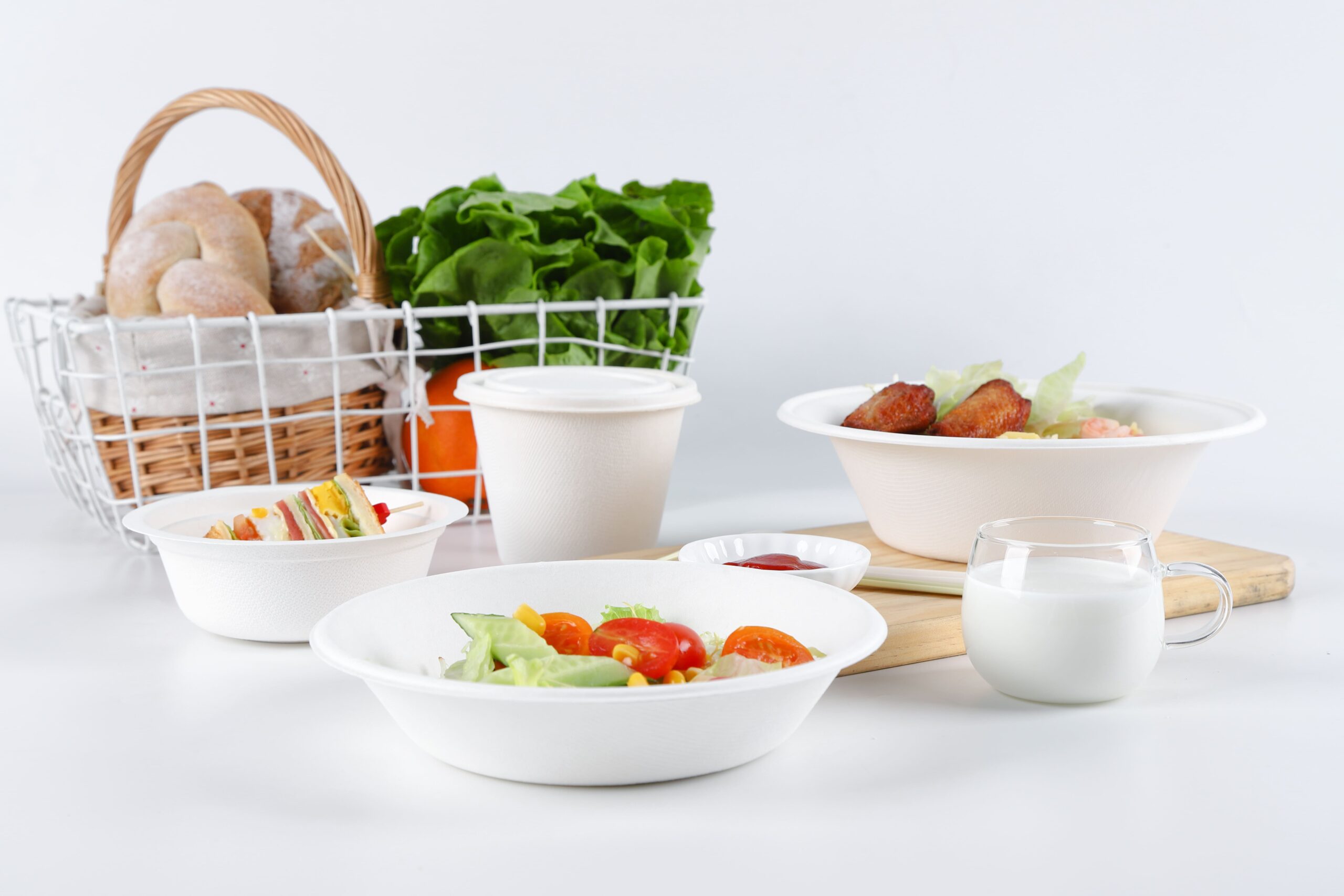
This is where our products truly shine. When you use a bagasse bowl in the microwave, you can trust it to hold its shape. Its natural strength prevents the warping and softening you see in other disposables. But the benefits extend far beyond the kitchen. The raw material is "upcycled" waste from sugar production. After you've enjoyed your meal, the bowl can be home composted, turning back into nutrient-rich soil. This creates a circular economy8, which is a huge step up from paper bowls that often end up in landfills due to food contamination or plastic coatings9. It's a stronger product from a smarter source with a better end-of-life.
Conclusion
For microwaving, check for a "safe" label. But for a truly reliable, strong, and eco-conscious choice that outperforms paper, sugarcane bagasse is the clear winner every time.
Understanding the meaning of 'microwave safe' can help you make informed choices about your food containers. ↩
Explore the advantages of sugarcane bagasse bowls for both safety and environmental impact. ↩
Learn about the safest disposable bowls for microwaving to avoid potential hazards. ↩
Get tips on ensuring microwave safety to protect your food and appliance. ↩
Explore the environmental impact of disposable products and the importance of sustainable choices. ↩
Learn how natural fibers enhance food packaging safety and sustainability. ↩
Understand the significance of compostable materials in reducing waste and promoting sustainability. ↩
Learn about the circular economy concept and its role in promoting sustainability. ↩
Find out the risks associated with plastic coatings in food containers when microwaving. ↩