Plastic regulations are getting stricter, and your current packaging could soon be obsolete. Fines and bad press are a real risk. Switching to compostable packaging1 protects your business's future.
Switching to compostable packaging helps your business meet new regulations, attract eco-conscious customers2, and enhance your brand image. Options like sugarcane bagasse3, made from agricultural waste, offer a truly sustainable solution4 that aligns your business with the future of packaging.
I know, changing suppliers and materials feels like a huge task. You worry about costs and performance. But what if the change could actually grow your business instead of just being an expense? Let's explore why making the switch now is one of the smartest decisions you can make.
How can you stay ahead of growing plastic bans?
New packaging laws seem to pop up overnight. Are you worried about being caught off-guard? Let’s make sure your business is prepared for what’s coming next.
By proactively adopting certified compostable5 packaging now, you future-proof your operations. You avoid last-minute scrambles, potential fines, and supply chain disruptions6 when new bans take effect. This positions your brand as a forward-thinking leader in sustainability.
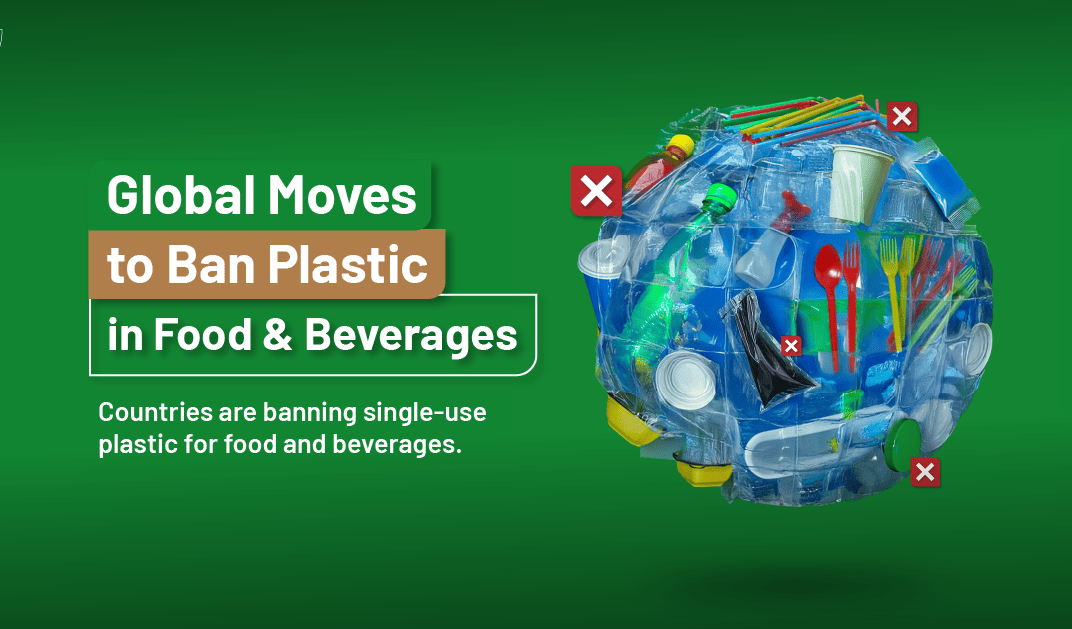
The trend is undeniable. From single-use plastic bags to foam containers, governments around the world are taking action. I remember a client calling me in a panic because their city announced a sudden ban on polystyrene foam containers, which made up their entire take-out inventory. They had to scramble to find a compliant alternative, and it cost them a lot of time and stress. Waiting until a ban is announced puts you in a reactive position, often forcing you to accept whatever alternative is available at a premium price. Making the switch early is a strategic move that puts you in control. It shows your customers that you are a leader, not just a follower, when it comes to social responsibility. It gives you time to find the perfect packaging partner and integrate the new materials smoothly into your operations.
| Approach | Risk Level | Business Impact |
|---|---|---|
| Wait and See | High | Potential fines, supply chain chaos, negative PR, rush-ordering expensive alternatives. |
| Switch Early | Low | Smooth transition, secured supply, positive brand image7, compliance ahead of schedule. |
Is your packaging turning away eco-conscious customers?
Your product is fantastic, but it's served in foam or plastic. Modern consumers notice this disconnect, and it can cost you their loyalty. Let's fix that.
Yes, it absolutely can. Today's consumers actively choose brands that share their values. Non-recyclable or plastic packaging is a major turn-off and can damage your reputation. Switching to visibly sustainable options immediately signals that your business cares about the planet.

Think about your own experiences. When you have a choice between two otherwise equal cafes, but one serves your coffee in a compostable cup and the other in a foam one, which do you feel better about supporting? That feeling is what drives modern consumer behavior8. Packaging is the first and last physical interaction a customer has with your brand, especially with take-out and delivery. If that interaction leaves them feeling guilty about creating more plastic waste, it taints their entire experience. On the other hand, providing them with packaging they can easily compost at home makes them feel good about their purchase and, by extension, good about your brand. This isn't just about avoiding a negative; it's about creating a positive. It's free marketing that aligns perfectly with the values of a growing customer base.
- Increased Customer Loyalty: Customers return to businesses that reflect their personal values.
- Positive Social Media Buzz: Sustainable packaging is "Instagrammable" and generates positive user content.
- Justifies Premium Pricing: High-quality, eco-friendly packaging signals a high-quality product.
- Attracts New Demographics: Younger, environmentally aware customers will actively seek you out.
Are all "green" packaging options really helping?
You switched to a "bioplastic" container, thinking you did the right thing. But now you hear it can’t be composted at home. The greenwashing9 is confusing and frustrating.
No, they are not created equal. Many so-called "eco-friendly" options, like PLA bioplastics, require specific industrial composting facilities that are not widely available. This can lead to more contamination and waste, not less. True sustainability requires careful material selection.
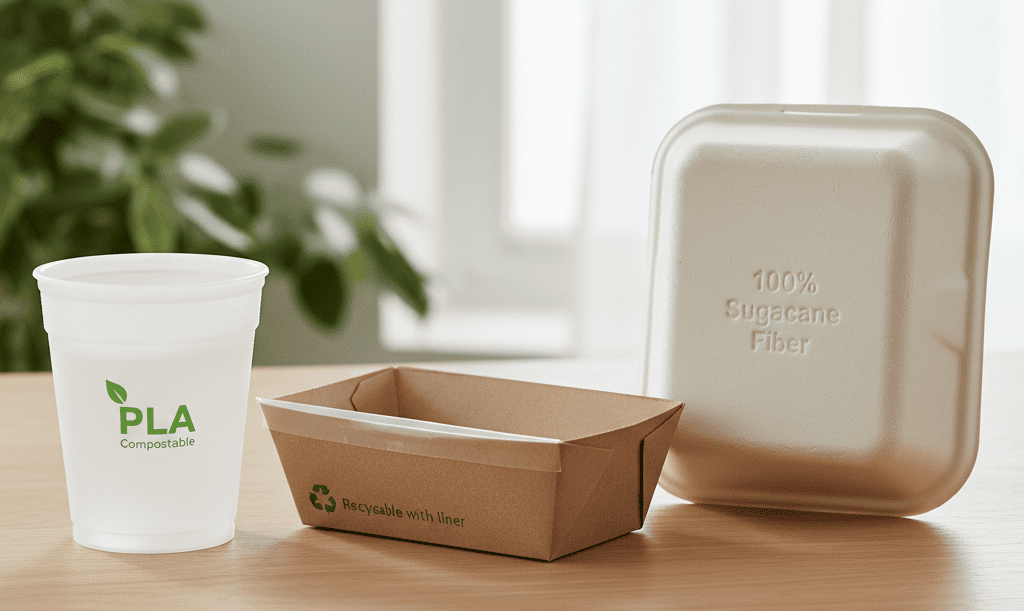
This is where many well-intentioned businesses go wrong. The world of "eco" packaging is filled with confusing terms and misleading claims. You might choose a clear cup made from PLA, a plant-based plastic, thinking it's better than petroleum plastic. While its origin is better, its end-of-life is a huge problem. It can’t be recycled with regular plastics, and it won't break down in a backyard compost pile. It needs the sustained high heat of an industrial facility, and many municipalities don't have them or don't accept PLA. The same goes for paper containers with a hidden plastic lining. They look recyclable, but the mixed materials make them destined for the landfill. These options often cause more contamination in waste streams than they solve. The key is to choose a material that has a clear, simple, and honest end-of-life story.
| Material | The Reality | The Result for Customers |
|---|---|---|
| PLA Bioplastic | Requires high-heat industrial composting. | Frustration; usually ends up in landfill. |
| Plastic-Lined Paper | Cannot be composted or easily recycled. | Confusion; usually ends up in landfill. |
| Sugarcane Bagasse | Certified for both industrial and home composting10. | Simple, guilt-free disposal. |
What makes sugarcane bagasse the ideal packaging solution?
You need packaging that is strong, affordable, and genuinely sustainable. Finding an option that ticks every box seems impossible. Let me introduce you to the perfect material.
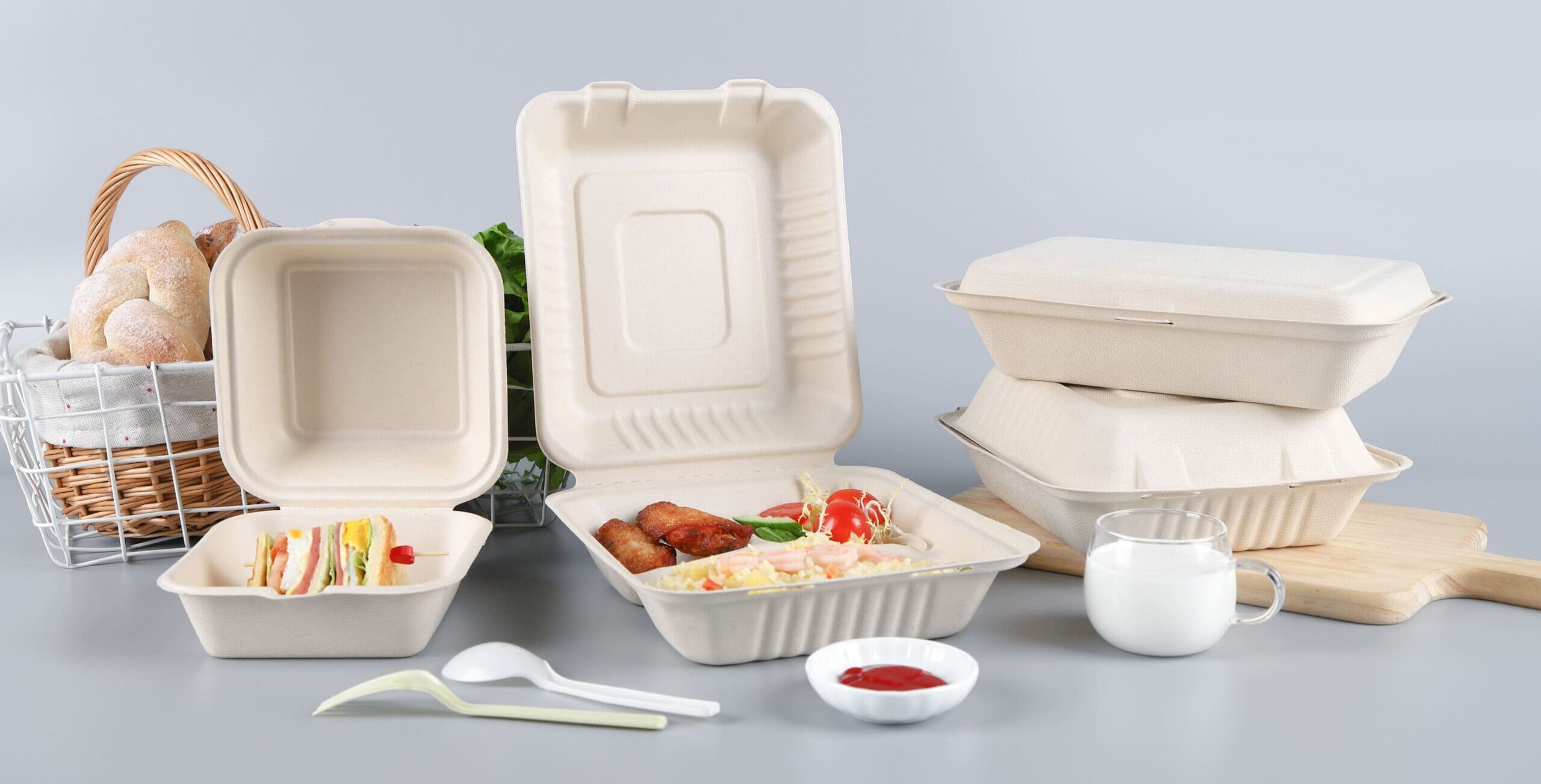
Sugarcane bagasse is the ideal choice because it’s made from upcycled agricultural waste, not new resources. It's strong, grease-resistant, and certified for both home and industrial composting, offering a clear, honest, and truly circular solution for your business.
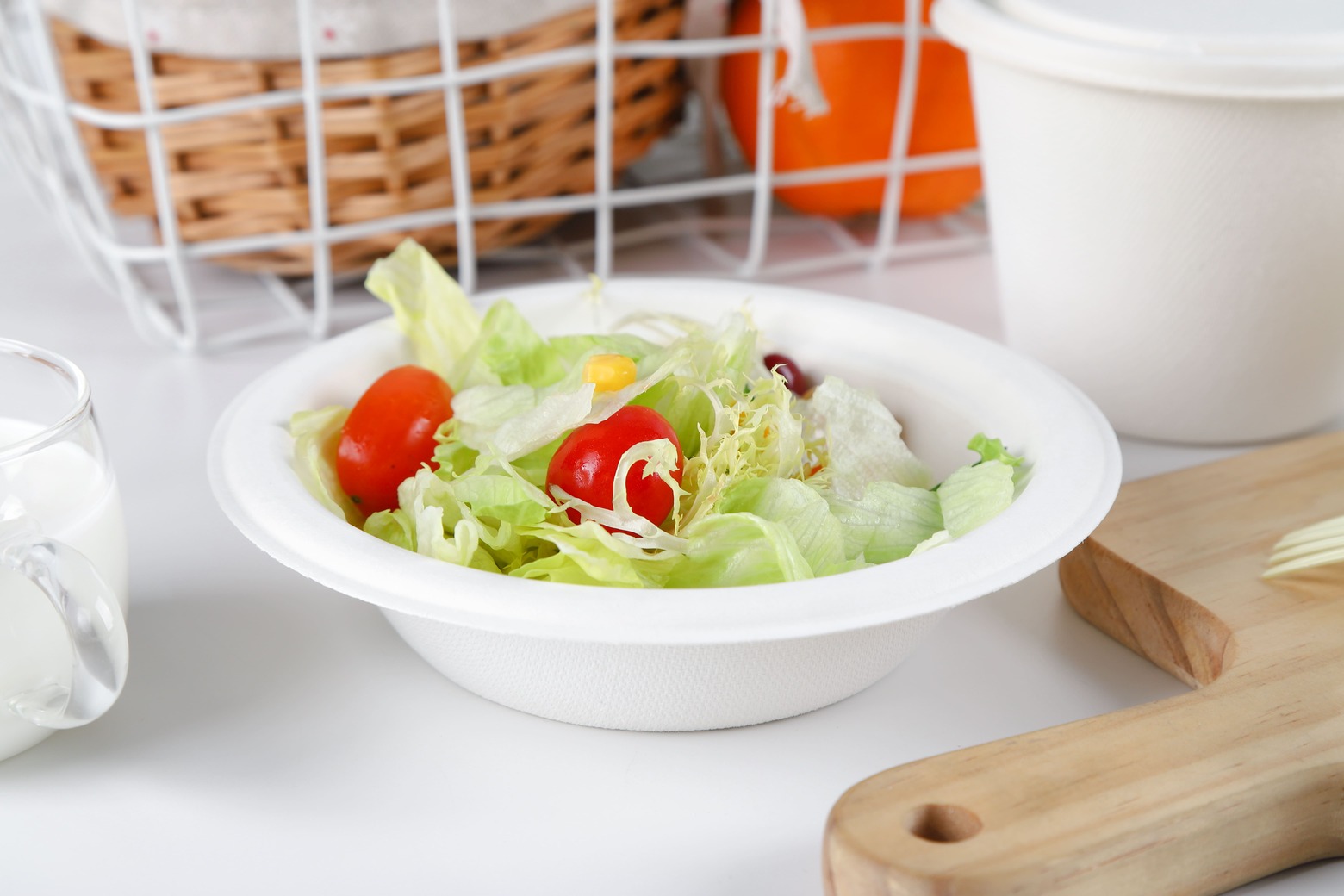
The story of sugarcane bagasse3 is what makes it so powerful. It’s the dry, fibrous residue left over after sugarcane stalks are crushed to extract their juice. For years, this material was either burned or discarded. Now, we use it to create high-quality food packaging. It's a perfect example of turning waste into value. As a manufacturer, we at Webester Eco Pack have built our business around this incredible material. It’s naturally durable and performs just as well as plastic or foam, but with none of the environmental baggage. Most importantly, its end-of-life is simple. Because our products are certified by BPI and OK Compost HOME, you can tell your customers with confidence that they can toss the container right into their home compost bin along with their food scraps, where it will break down and return to the soil.
- Truly Circular: Made from a reclaimed waste stream, not virgin trees or corn.
- Certified Simple: Carries certifications that prove it will break down in both industrial and home compost.
- Strong & Versatile: Handles hot, cold, wet, and greasy foods without issue.
- Clean & Safe: Free from plastics and harmful PFAS chemicals11.
- Tells a Great Story: Your packaging becomes a message about your brand's commitment to real sustainability.
Conclusion
Switching to compostable bagasse packaging isn't just compliance. It's a smart business move that attracts customers, builds your brand, and prepares you for a sustainable future.
Explore how compostable packaging can enhance your brand image and attract eco-conscious customers. ↩
Discover strategies to engage eco-conscious consumers and boost your brand loyalty. ↩
Learn about sugarcane bagasse as a sustainable packaging option and its environmental benefits. ↩
Find out about various sustainable packaging solutions that can benefit your business. ↩
Understand the importance of certified compostable materials in ensuring sustainability. ↩
Learn how to mitigate supply chain risks associated with packaging changes. ↩
Learn how sustainable practices can enhance your brand's reputation and customer loyalty. ↩
Explore the impact of packaging on consumer choices and brand perception. ↩
Educate yourself on greenwashing to make informed and genuine sustainable choices. ↩
Discover the advantages of home composting and how it relates to sustainable packaging. ↩
Learn about the risks associated with PFAS chemicals in packaging and their impact on health. ↩