Planning a party but hate the plastic trash? You want convenience without guilt. Bagasse1 offers a strong, eco-friendly solution that makes cleanup easy and responsible.
Bagasse is the best disposable tableware2 because it's made from recycled sugarcane pulp3, making it strong, heat-resistant, and fully compostable4. It handles heavy, greasy foods without leaking and breaks down quickly after use, offering a truly sustainable alternative to plastic or foam.
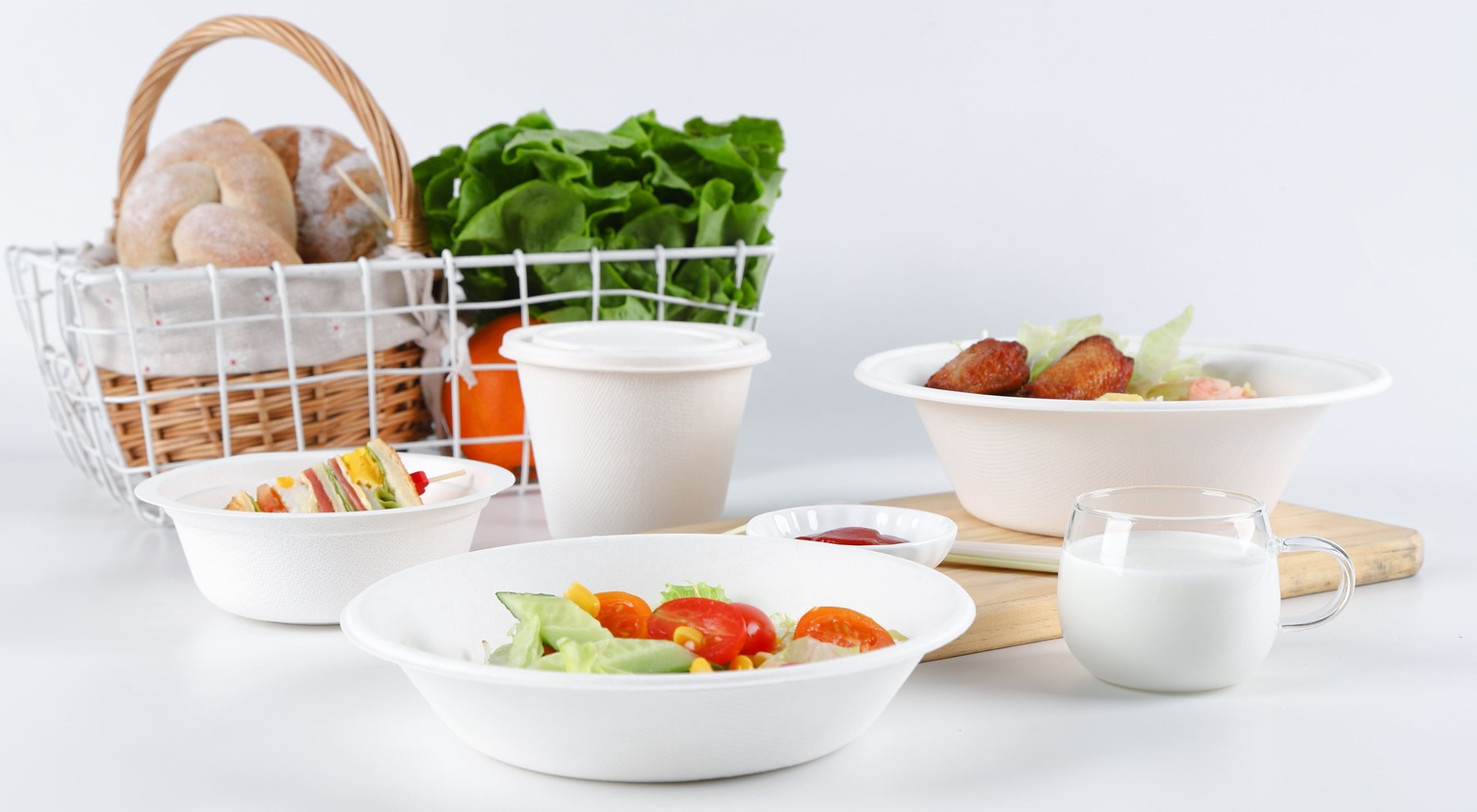
I used to think all disposable plates were either flimsy paper or terrible plastic. There didn't seem to be a good middle ground. Then, while researching sustainable options for a large family event, I came across bagasse. I learned that it's made from a plant byproduct. I was skeptical at first, but after trying it, I was amazed. It was strong, looked clean, and the idea that it could turn back into the soil was a game-changer. Let's explore exactly what makes this material so special.
Where Does Bagasse Come From and Why is it So Sustainable?
Worried if 'green' products are truly sustainable? Many still use precious resources. Bagasse is different; it's made from agricultural waste5, turning a problem into a solution.
Bagasse1 is the fibrous pulp left over after juice is extracted from sugarcane stalks. Instead of being burned or thrown away, this waste material is repurposed into durable tableware. This makes it a highly renewable and eco-friendly resource with a low environmental impact6.
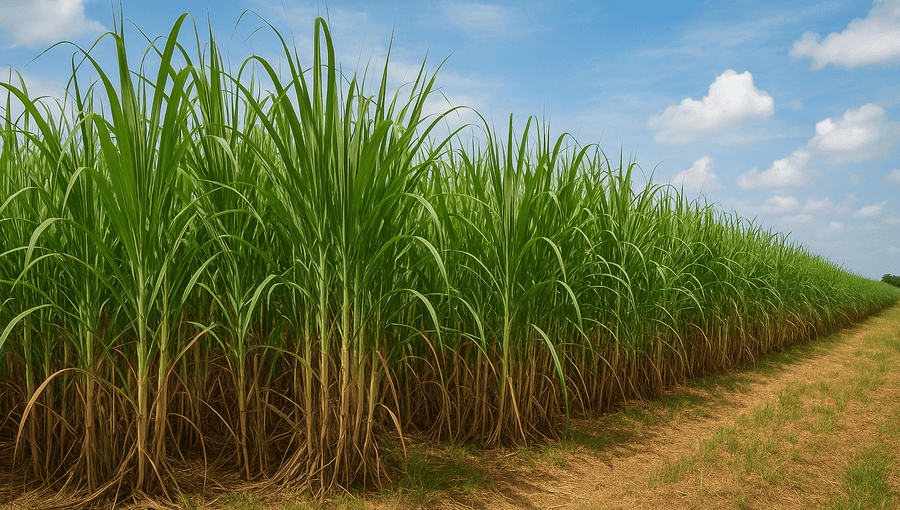
I always try to understand where my products come from. When I learned about bagasse, the story was impressive. It’s not grown specifically for making plates; it’s a byproduct of an existing industry—sugar manufacturing7. For every ton of sugar produced, there are about two tons of sugarcane pulp left over. In the past, this pulp, or "bagasse," was often treated as waste. Now, we can take this material and give it a new life. This "waste-to-value8" approach is the heart of a circular economy9. It avoids using new resources like trees for paper plates or fossil fuels for plastic ones. It’s a smart and simple way to be more resourceful with what we already have. This process transforms a potential pollutant into a useful, high-quality product.
The Journey from Sugarcane to Plate
The manufacturing process is also quite straightforward, which helps keep the environmental impact6 low.
- Collection: The leftover sugarcane pulp is collected from sugar mills.
- Pulping: It's mixed with water to create a paste-like pulp, similar to paper making.
- Molding: This pulp is then pressed into heated molds to form plates, bowls, and containers.
- Drying: The products are dried, trimmed, and packaged for use.
The entire system is efficient and avoids the need for harvesting new raw materials.
Can You Really Compost Bagasse Tableware at Home?
Confused by 'compostable' claims? Many items only break down in industrial facilities. High-quality bagasse tableware is different, making it easy to dispose of responsibly right in your backyard.
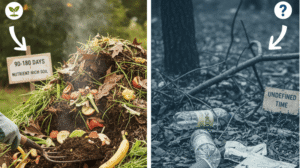
Yes, you can. While all bagasse is commercially compostable4, products with specific certifications like TÜV Austria's 'OK Compost Home10' can be placed in a home compost bin11. They will break down into soil-enriching organic matter, leaving no toxic residue behind.
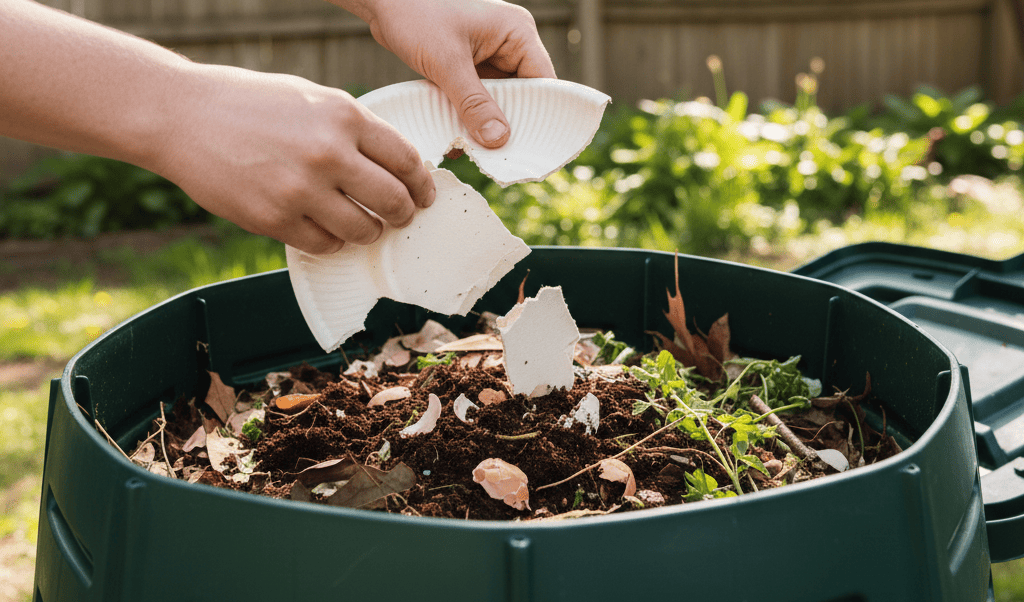
This was the feature that truly sold me on bagasse. I have a small compost bin in my backyard, and I love being able to turn food scraps into rich soil for my garden. The problem is that many products labeled "compostable4" require the high heat of an industrial composting facility, which my city doesn't have. I was so happy when I learned that some bagasse products are different. Our factory Webester Eco Pack has products that are certified with 'OK Compost Home10'. This means they are proven to break down in the cooler, slower conditions of a backyard compost pile. After a party, I can just scrape the food scraps and the plate right into my bin. In a few months, it all disappears, becoming part of the soil. There's no trash, no guilt, and it actually benefits my garden.
Understanding Disposal Options
| Disposal Method | Plastic/Foam Tableware | Standard Bagasse Tableware | Home-Compostable Bagasse Tableware |
|---|---|---|---|
| Home Compost Bin | No (Contaminant) | No (Breaks down too slowly) | Yes (Breaks down into soil) |
| Industrial Composting | No (Contaminant) | Yes (Breaks down quickly) | Yes (Breaks down quickly) |
| Landfill | Yes (Lasts 500+ years) | Yes (Breaks down anaerobically) | Yes (Breaks down anaerobically) |
| Best Outcome | Landfill Pollution | Nutrient-rich compost | Nutrient-rich compost from home |
How Well Does Bagasse Handle Hot, Greasy, and Heavy Foods?
Tired of disposable plates that get soggy and bend? A collapsing plate can ruin a good meal. Bagasse is designed to be strong, rigid, and resistant to heat and grease.
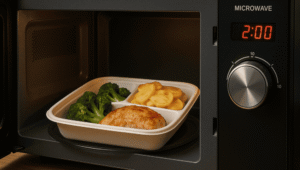
Bagasse performs exceptionally well. Its dense, fibrous structure makes it strong and cut-resistant, easily handling heavy portions. It's also microwave-safe and grease-resistant12, so it won't leak or fall apart when holding hot, oily foods like pizza or pasta.
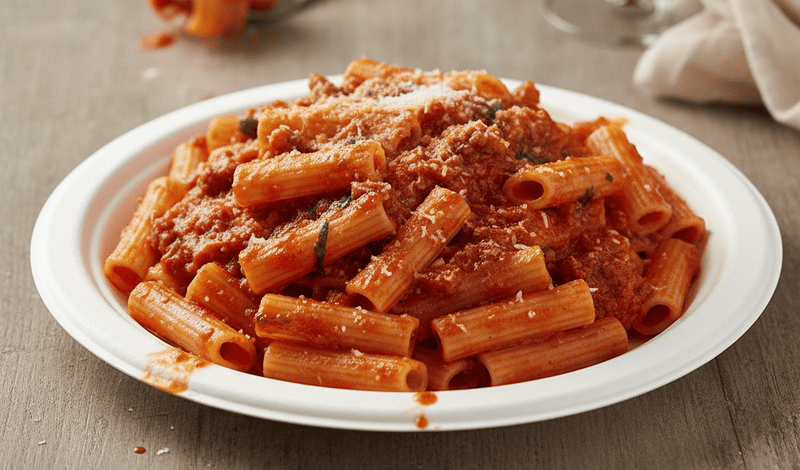
I'll never forget the disaster at a friend's barbecue when the cheap paper plates became soggy and collapsed, spilling food everywhere. That experience made me very picky about disposable tableware2. The first time I used bagasse plates, I tested them with a heavy serving of lasagna. I was amazed. The plate didn't bend when I carried it, the knife didn't slice through it, and no grease soaked through to the bottom. It felt as sturdy as a regular ceramic plate. The natural fibers of the sugarcane are pressed together so tightly that they create a strong, liquid-resistant surface. This means it can handle everything from hot soup to a greasy burger without any issues. It’s also great that I can briefly reheat leftovers in the microwave right on the plate, which is something you can’t do with foam or many types of plastic.
Performance Comparison
- Strength: Bagasse is much more rigid than standard paper plates and won't buckle under the weight of heavy food.
- Heat Resistance: It can safely hold hot liquids and foods up to 212°F (100°C).
- Grease Resistance: The natural structure resists oil and water, preventing messy leaks.
- Microwave-Safe: It can be used for short periods to reheat food without melting or releasing chemicals.
Is Bagasse Truly Better for the Planet than Plastic or Paper?
It's hard to know which disposable is truly best for the Earth. Every choice has an impact. Bagasse stands out with a lower carbon footprint13 and by avoiding microplastic pollution14.
Yes, life cycle assessments show bagasse has a lower carbon footprint13 than plastic or paper. It avoids fossil fuels, repurposes waste, and biodegrades15 without creating microplastics. This makes it a superior choice for minimizing long-term environmental harm.
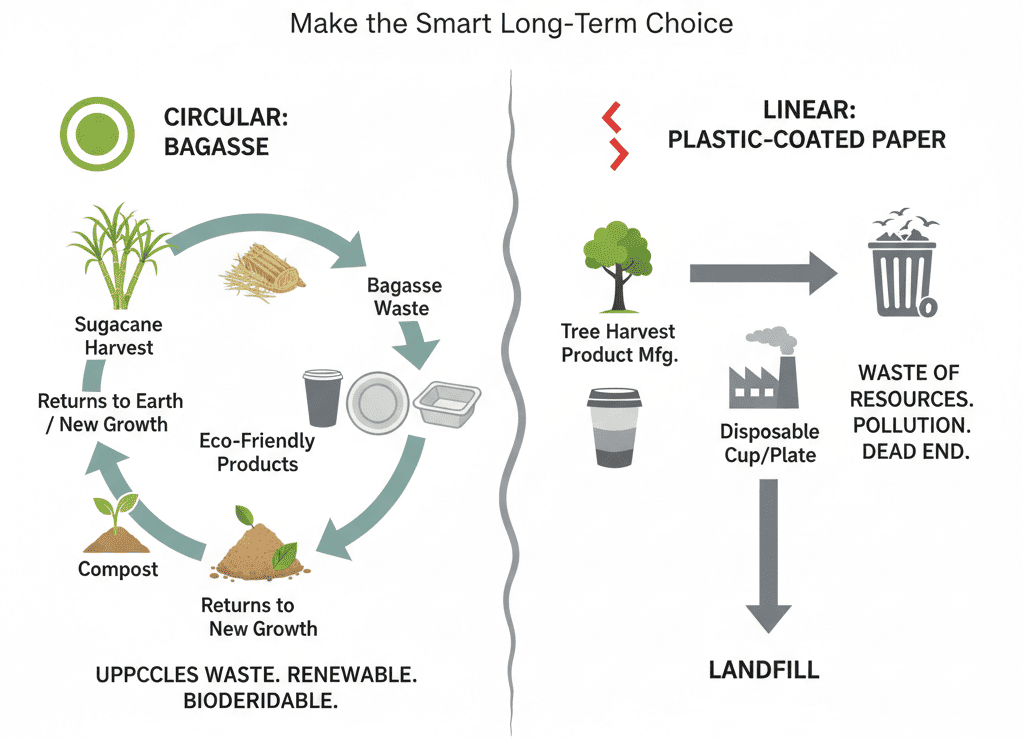
When I choose a product, I want to know its full story, from start to finish. For bagasse, that story is much cleaner than the alternatives. Plastic and foam are made from petroleum, a non-renewable resource, and the manufacturing process releases significant greenhouse gases. Paper plates, while better, often come from trees that were grown and harvested for that purpose. Bagasse starts with a waste product, which immediately lowers its environmental cost. More importantly, its end-of-life is much better for the planet. When plastic breaks down, it doesn't disappear; it just becomes tiny particles called microplastics. These particles contaminate our water, soil, and even our food. Bagasse, on the other hand, breaks down into simple organic matter. It returns to the earth as nutrients, completing a natural cycle. This is a fundamental difference that makes bagasse a much cleaner choice for our planet.
Environmental Impact at a Glance
| Feature | Coated Paper | Plastic (PET/PP) | Bagasse |
|---|---|---|---|
| Raw Material | Wood Pulp + Plastic Coating | Fossil Fuels (Non-renewable) | Sugarcane Waste (Renewable) |
| Carbon Footprint | High | High | Low |
| End-of-Life | Landfill (Difficult to recycle) | Landfill / Recycling | Compost (90 days) |
| Microplastic Risk | High | High | None |
Conclusion
Bagasse is the best disposable tableware because it’s strong, sustainable, and fully compostable. It turns agricultural waste into a high-performance product that is better for you and the planet.
Explore the unique properties of Bagasse and its role in eco-friendly tableware. ↩
Discover various disposable tableware options that are both convenient and sustainable. ↩
Find out how recycled sugarcane pulp contributes to sustainable manufacturing practices. ↩
Understand the meaning of compostable and its importance in waste management. ↩
Explore innovative ways to repurpose agricultural waste for environmental benefits. ↩
Understand the environmental impact of disposable products and how to choose wisely. ↩
Discover the sustainability aspects of sugar manufacturing and its byproducts. ↩
Explore the waste-to-value approach and its role in sustainable practices. ↩
Learn about the principles of a circular economy and its impact on sustainability. ↩
Explore this link to understand the significance of 'OK Compost Home' certification for eco-friendly products. ↩
Discover how to effectively compost at home and its benefits for the environment. ↩
Learn about the properties that make tableware resistant to grease and oil. ↩
Explore strategies to minimize carbon footprints through sustainable product choices. ↩
Understand the impact of microplastic pollution on ecosystems and health. ↩
Learn about biodegradation and its significance in waste management. ↩