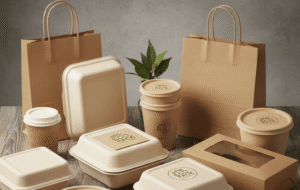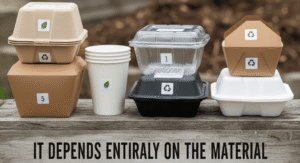
You chose areca palm leaf plates thinking they were a safe, eco-friendly option. Now you hear the FDA1 has banned them, leaving you worried and confused about what to use.
In May 2025, the FDA1 banned dinnerware made from the Areca catechu2 palm leaf because its research confirmed that naturally occurring toxins, including a known carcinogen3, can leach from the plates into your food, posing a long-term health risk. The best certified-safe alternative is sugarcane bagasse4 tableware.
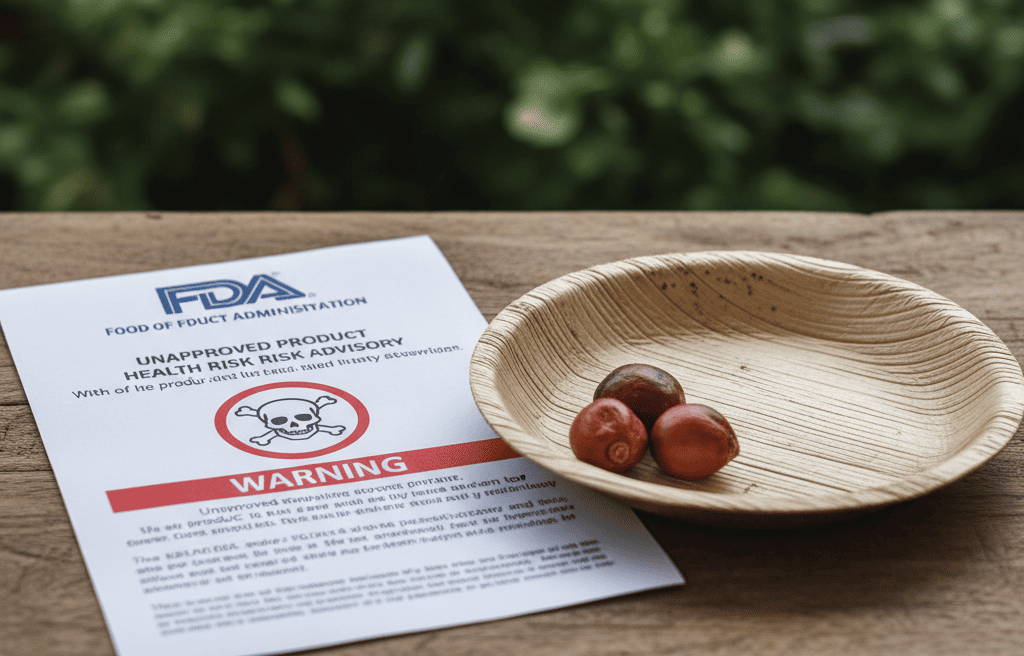
As a manufacturer of eco-friendly tableware5 for over a decade, this news from the FDA1 is a major event. It underscores a critical point I've always believed in: for a product to be truly good for people and the planet, it must be proven safe. The eco-friendly label means nothing if the material itself poses a health risk. This ban clarifies the landscape for consumers and highlights why material science6 and safety testing7 are so important. Let's look at exactly what the FDA found and why sugarcane bagasse4 is now the clear and safe path forward.
What health risks did the FDA discover in palm leaf plates?
You've been told palm leaf plates are just natural, harmless leaves. So where is this health risk8 coming from? It sounds alarming, and you need to understand the science behind the ban.
The FDA1’s research showed that toxic alkaloids9, which are naturally present in the Areca catechu2 plant, can move from the dinnerware into food. One of these alkaloids is a known carcinogen3, creating a long-term health risk with repeated use.
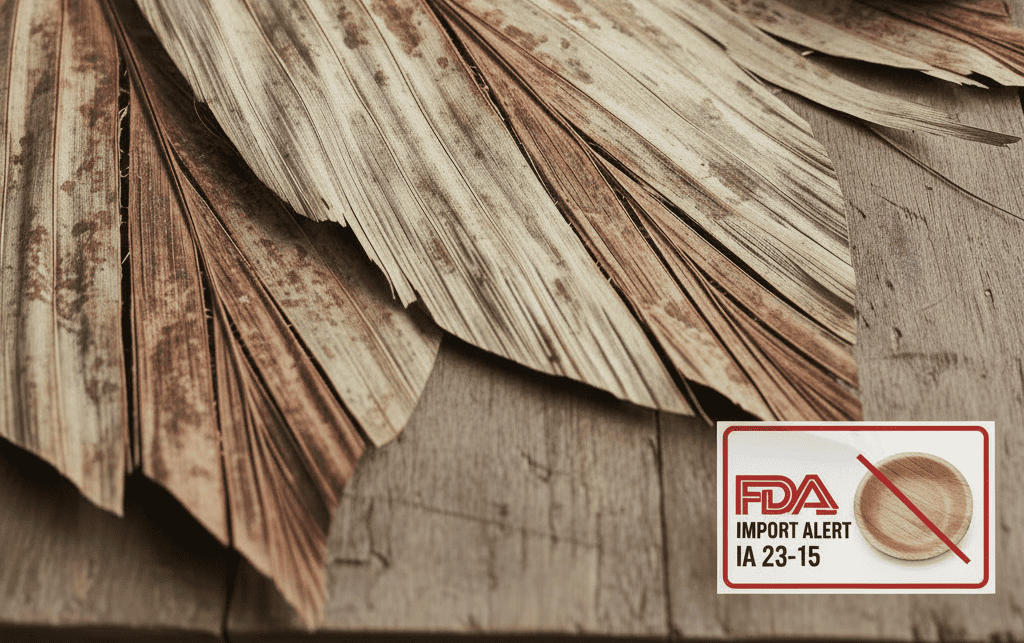
This isn't about chemicals added during manufacturing; the problem is with the plant itself. The Areca catechu2 palm is the same plant that produces the betel nut, which is known to contain these toxic compounds. The FDA1 was concerned that the leaves used for dinnerware might also contain them. Their scientists conducted tests that mimicked normal use—like putting food on the plates. The results were clear: the harmful alkaloids did in fact transfer to the food. Based on this, the FDA1 concluded that the material is not "generally recognized as safe" (GRAS) for food contact and has now blocked their import into the U.S.
Here are the key findings from the FDA's investigation:
- Source of the Problem: The Areca catechu2 palm leaf itself contains naturally occurring toxic alkaloids9.
- Confirmed Migration: FDA research proved these toxins leach into food under normal conditions of use.
- Long-Term Risk: The level of toxin migration poses a cumulative health risk, especially with routine use.
- Regulatory Action: The product is now on Import Alert 23-15 to prevent it from entering the U.S. market.
Does this FDA ban apply to all plant-based dinnerware?
You see this news and immediately wonder if your other eco-friendly plates are also at risk. Is this a problem with bamboo, sugarcane, or other natural materials too?
No, this ban is very specific. The FDA1 clearly stated its research and health concerns are only for dinnerware made from the Areca catechu2 palm leaf. Other materials like sugarcane (bagasse) and bamboo are not included in this ruling.
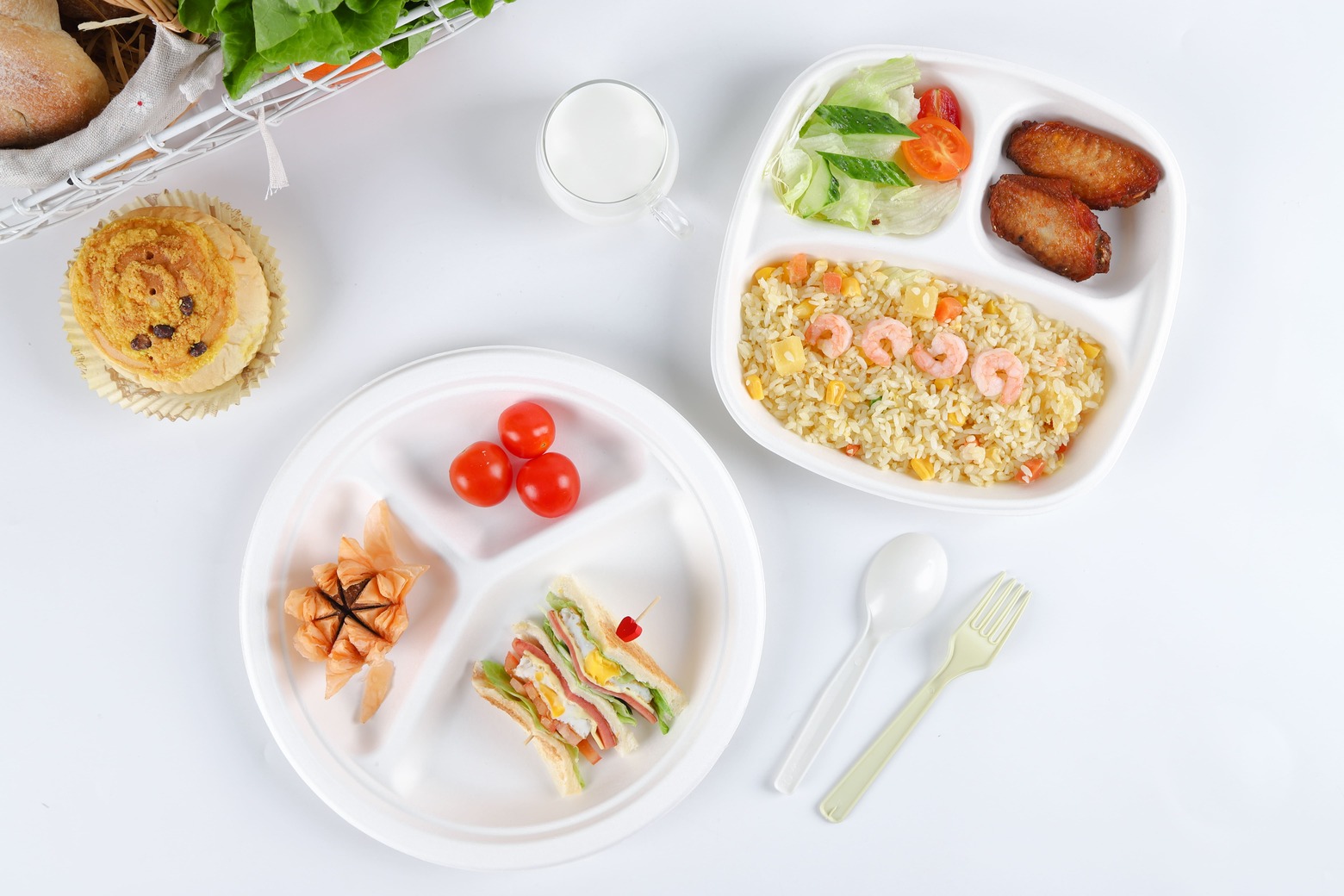
This is the most important point for consumers to understand. The FDA1 did not issue a blanket warning against all plant-based products. Their investigation was targeted and scientific, focusing only on the specific plant species that raised health concerns. In their official communication, they went out of their way to mention that materials like sugarcane are outside the scope of their research. This is why material sourcing and safety certifications are so critical. At Webester Eco Pack, our sugarcane bagasse4 products undergo rigorous testing to comply with international food safety standards, including those from the FDA, to ensure they are free from harmful substances. This ban reinforces the importance of choosing products from proven, safe materials.
Scope of the FDA Ruling
| Material | Status | Reason |
|---|---|---|
| Areca Palm Leaf Dinnerware | Banned (Import Alert) | Contains natural toxins that migrate to food. |
| Sugarcane (Bagasse) Dinnerware | Not Affected | Not part of the FDA investigation; a safe and established material. |
| Bamboo Dinnerware | Not Affected | Not part of the FDA investigation; considered safe. |
| Other Plant-Based Materials | Not Affected | The ban is specific to the Areca catechu2 plant only. |
Why is sugarcane bagasse the best and safest alternative?
With areca plates now off the table, you need a reliable replacement that is both eco-friendly and guaranteed safe. What makes sugarcane bagasse4 the top contender?
Sugarcane bagasse is the best alternative because it is a food-safe, high-performance material made from upcycled agricultural waste10. It is certified compostable, excels with hot and oily foods, and is microwave-safe, offering a complete solution without health concerns.

Bagasse has long been my company's material of choice for a reason: it's a perfect blend of performance, sustainability, and safety. Unlike areca, which is a primary material, bagasse is a byproduct. It's the fiber left over after sugar production, so we are turning a waste stream into a valuable resource. From a performance standpoint, it's simply superior. Its molded fiber structure is naturally grease and cut-resistant, and it holds hot liquids far better than a pressed leaf can. All our products are FDA-compliant for food contact, ensuring that what happened with areca is not a risk. It delivers the eco-friendly promise without compromising on safety or function.
- Proven Safe: Complies with FDA food-contact standards11.
- Upcycled Material: Made from sugarcane processing waste, reducing landfill burden.
- Superior Performance: Excellent for hot, wet, and greasy foods without leaking or getting soggy.
- Fully Compostable: Breaks down in a home or commercial compost pile, returning nutrients to the soil.
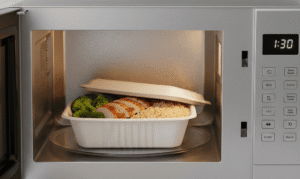
- Convenient: Microwave and oven-safe for easy reheating.
Is switching to bagasse a practical and truly green choice?
You need a solution that works in the real world. Is bagasse affordable, easy to source, and are there any hidden environmental issues, like chemicals, to worry about?
Yes, bagasse is a highly practical choice. It is more cost-effective and consistently available than areca. For a truly green option, simply choose certified PFAS-free bagasse to ensure your compost and your food remain clean.
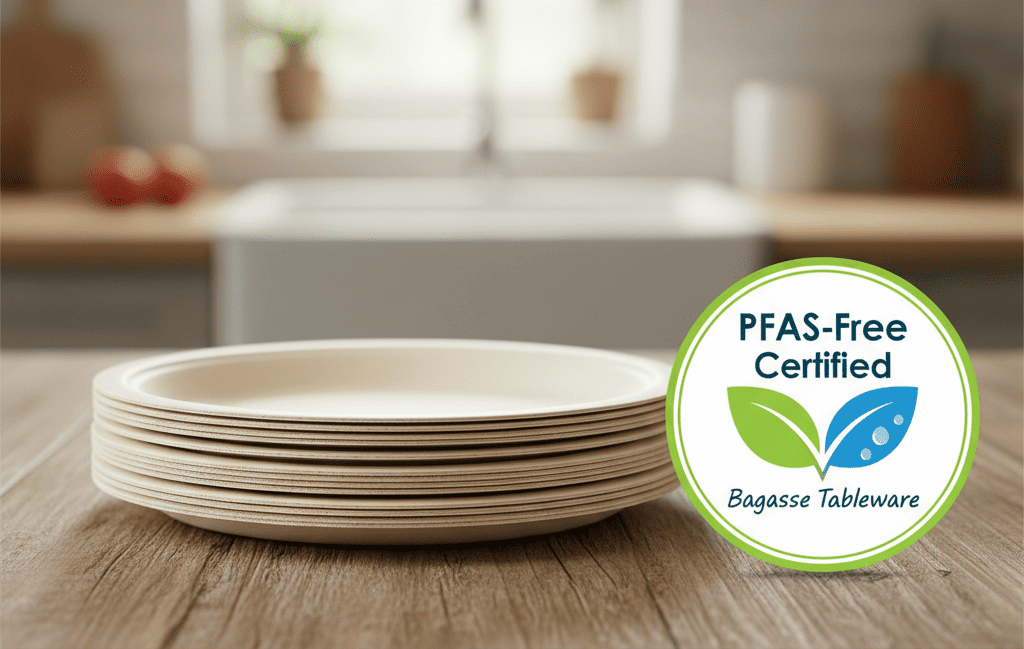
Logistically, bagasse is a clear winner. As a byproduct of the massive global sugar industry, the supply is stable and the cost is lower. The uniform shape of molded plates means they stack tightly, saving on shipping costs and storage space—a huge benefit for businesses. The most important environmental consideration for bagasse used to be PFAS, chemicals used for grease-proofing. However, the industry has moved on. Today, reputable manufacturers like us exclusively produce certified PFAS-free products, which you should always look for. This ensures the material is safe for you and for the soil it will eventually become. It's the final piece of the puzzle that makes bagasse a responsible, practical, and safe choice.
Bagasse vs. Areca: The Practical Choice
| Factor | Sugarcane Bagasse | Banned Areca Palm |
|---|---|---|
| Food Safety | FDA Compliant & Safe | FDA Banned (Health Risk) |
| Cost & Supply | Lower, More Stable | Higher, More Variable |
| Performance | Excellent with liquids/grease | Prone to seepage |
| Eco-Consideration | Look for PFAS-Free certification | Now irrelevant due to safety ban |
Conclusion
The FDA1 banned areca palm plates for a serious reason: your health. For a proven-safe, high-performing, and truly eco-friendly alternative, certified PFAS-free sugarcane bagasse4 is now the clear and responsible choice.
Explore this link to understand FDA regulations, ensuring your eco-friendly choices are safe and compliant. ↩
Understanding the risks of Areca catechu can help you make informed choices about dinnerware. ↩
Explore the implications of known carcinogens in food products for better health awareness. ↩
Discover why sugarcane bagasse is a top choice for eco-friendly and safe dinnerware. ↩
Discover the key features that define eco-friendly tableware for responsible consumption. ↩
Explore the role of material science in ensuring the safety of consumer products. ↩
Understanding the importance of safety testing can help you choose safer products. ↩
Learn about potential health risks in dinnerware materials to protect your family. ↩
Learn about toxic alkaloids to understand their impact on health and safety in products. ↩
Explore how upcycled agricultural waste contributes to sustainability and reduces waste. ↩
Understanding FDA standards can help you choose safe and compliant food products. ↩