You've finished your takeout and now you're staring at the Styrofoam box. You want to make a better choice for the planet, but the world of "eco-friendly" packaging is confusing.
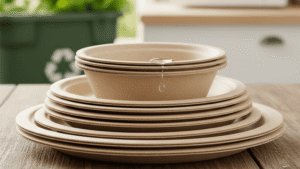
The best and most truly green alternative to Styrofoam is a molded fiber container made from sugarcane bagasse1. It is strong, handles hot food well, and most importantly, it can be composted2 in your own backyard, making it a genuinely simple and sustainable choice.
As a member of Webester Eco Pack, I've dedicated my career to finding solutions that are not just green on paper, but green in practice. Many so-called eco-alternatives come with hidden catches, like needing special facilities to break down. But some materials are different. They offer a straightforward path from your plate back to the earth. Let's break down the options so you can see why home compostability is the feature that really matters.
Why is bagasse the best compostable option?
You see containers labeled "compostable3" and assume they are all the same. But then you hear some can't just be tossed in your garden compost pile. So what makes one better than another?
Bagasse is the best compostable3 option because it is certified for both industrial and home composting4. This means you don't need a special facility to break it down. It’s a truly accessible, circular solution made from upcycled agricultural waste5 that’s also durable and microwave-safe.

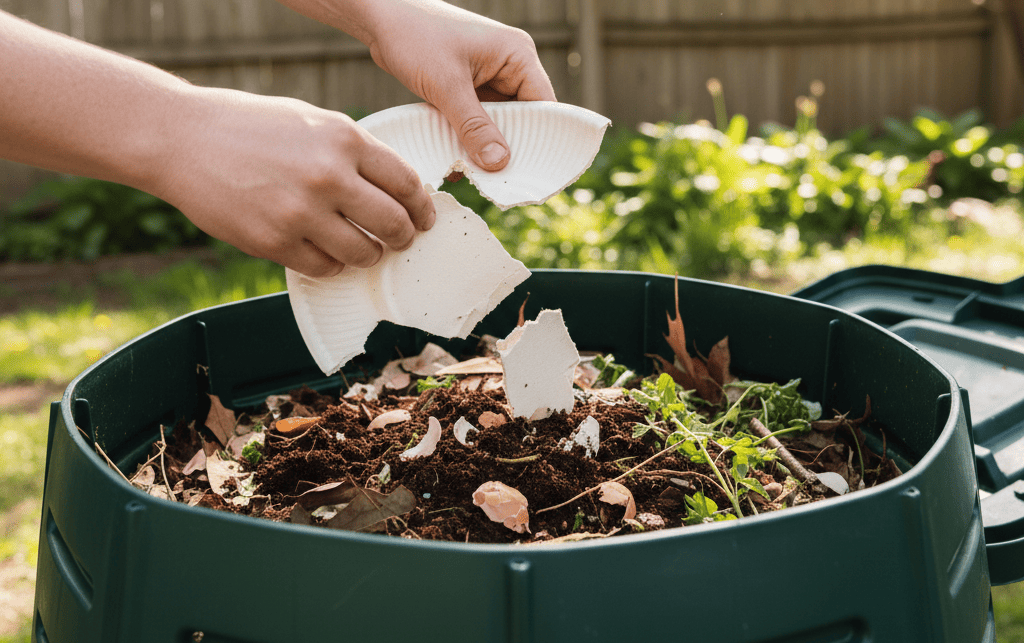
The key difference lies in how something composts. Most bioplastics, like PLA, are only "industrially compostable3." They require the high, sustained heat of a large-scale commercial facility to decompose. For the average person, access to these facilities is very limited. This means those containers often end up in a landfill anyway. Bagasse, on the other hand, is different. It's a natural fiber from sugarcane processing6. It breaks down easily in the much milder conditions of a home compost bin7. This puts the power of sustainability directly in your hands. At Webester, we call this "turning waste into value," and it's the core of what we do. It’s not just a theoretical good; it's a practical one.
Here’s a clear comparison:
| Feature | Styrofoam | PLA Bioplastic | Sugarcane Bagasse |
|---|---|---|---|
| Material Source | Fossil Fuels | Plant Starch (e.g., Corn) | Sugarcane Plant Fiber |
| Heat Tolerance | Poor (Melts) | Poor (Warps with hot food) | Excellent (Microwave Safe) |
| End-of-Life | Landfill | Industrial Composting Only | Home & Industrial Composting |
| Practicality | Single-use waste | Requires special facilities | Breaks down in a backyard |
Are paper takeout boxes a good alternative?
You get a sandwich in a cardboard box and think, "Great, paper is recyclable!" But is it always that simple? Unfortunately, it's often not.
Paperboard boxes are a decent alternative, but their green credentials depend heavily on their coating and condition. A plastic (PE) lining or heavy food grease makes them non-recyclable and non-compostable3, sending them straight to the landfill.
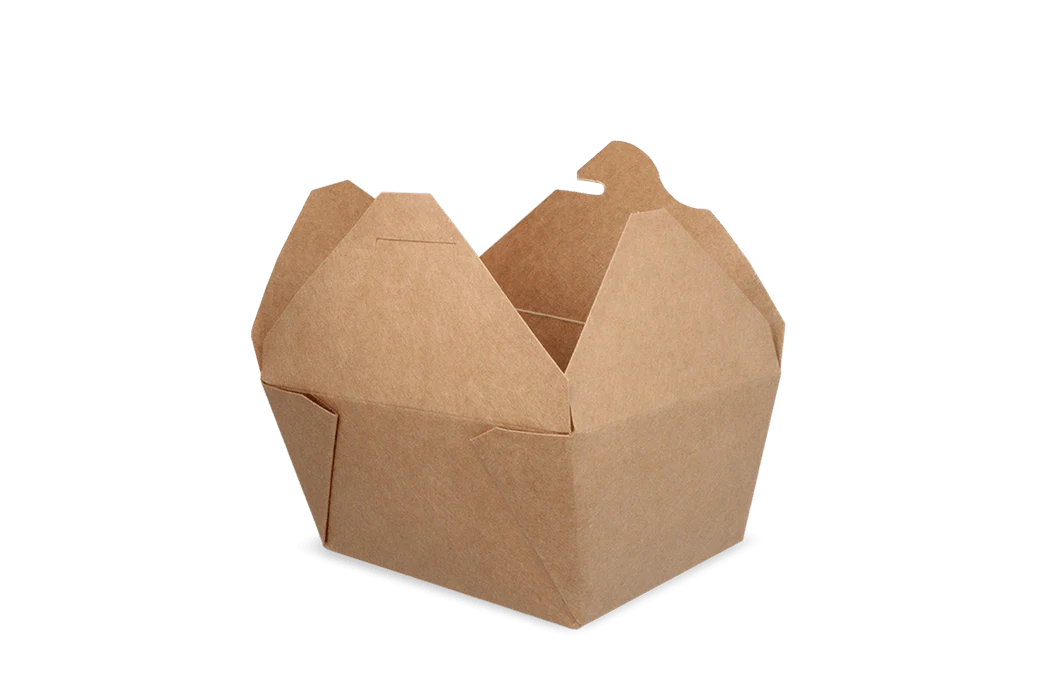
The biggest problem with paper and cardboard in food service is making it strong enough to hold food without getting soggy. To do this, many manufacturers add a thin layer of polyethylene (PE) plastic8 to the inside. While this coating does its job well, it makes recycling nearly impossible. The paper mills can't easily separate the plastic from the paper fiber. Even if the box is uncoated, heavy oil or grease from your food can soak into the fibers. This is considered a contaminant in the recycling stream9, so a greasy pizza box bottom, for example, must be thrown away. For paper to be a good choice, it needs to be for dry goods, be uncoated, or be specifically certified as compostable3 with a non-plastic, water-based coating10.
Here are the main points to consider for paper:
- The Coating is Key: Look for "plastic-free" or "water-based coating10." If it has a shiny, slick feel inside, it's likely plastic-lined.
- Cleanliness Matters: Only clean and dry paper can be recycled. Food residue is a major source of contamination.
- Compostability: Uncoated, food-soiled paper can often be composted2, but plastic-lined paper cannot.
Is PLA bioplastic a sustainable choice?
You see a clear container that looks like plastic, but it’s labeled "compostable3" and "made from plants." This seems like the perfect solution, but it has a very significant catch.
PLA bioplastic11 is only sustainable if you have reliable access to an industrial composting facility12. It will not break down in a landfill, your home compost, or the ocean, and it cannot be recycled with regular plastics. Its low heat tolerance also limits its use.
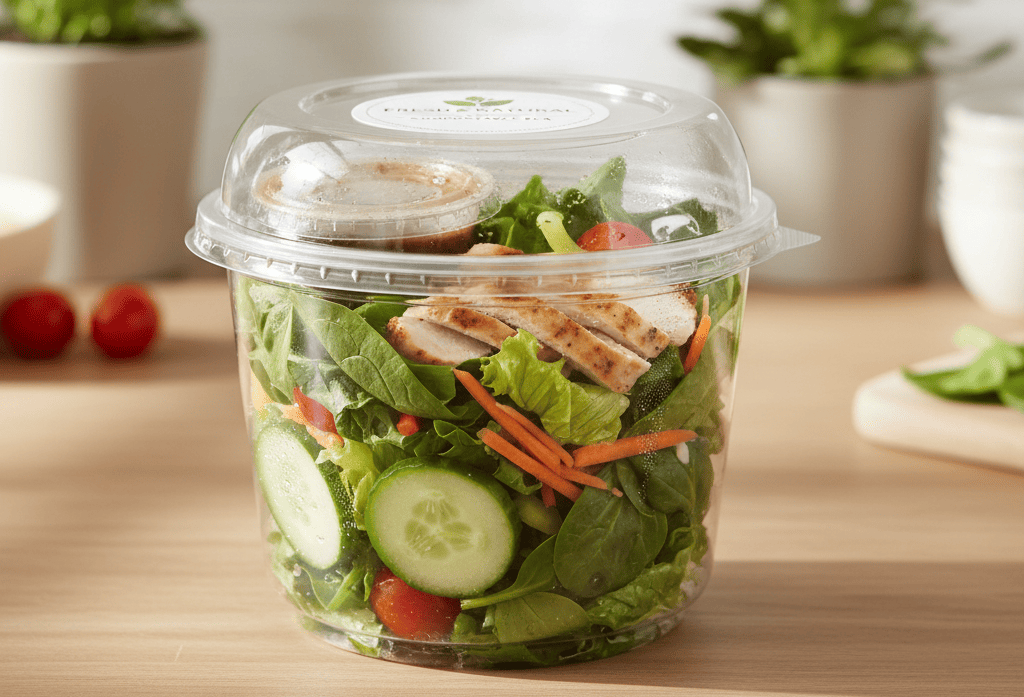
PLA, or polylactic acid, is a bioplastic typically made from corn starch. It was designed to be a better alternative to petroleum-based plastic, and in the right system, it can be. The problem is that this "right system" is rarely available. PLA requires temperatures above 140°F (60°C) for many weeks to break down, conditions found only in industrial compost facilities. If you put it in your backyard compost, it will sit there for years, just like a plastic bottle. If it goes to a landfill, it's trapped without oxygen and may release methane, a potent greenhouse gas. Worse, because it looks like PET plastic (recycling #1), people often toss it in the recycling bin, where it contaminates the entire batch of recyclable plastic. While it's a good material for cold items like salads or desserts, its end-of-life challenges make it a complicated choice for most people.
For PLA to be considered "green," all of these conditions must be met:
- The user must have access to a commercial composting facility that accepts PLA.
- The user must correctly dispose of it in the proper organics bin.
- The container must not be accidentally put into recycling.
- It must only be used for cold or warm, not hot, foods.
Conclusion
For a truly green alternative to Styrofoam, choose home-compostable3 bagasse. It avoids the recycling issues of paper and the strict disposal requirements of PLA, making it the simplest, most effective choice.
Explore the advantages of using molded fiber containers for eco-friendly packaging solutions. ↩
Explore this resource to understand how composted materials enhance sustainability and reduce waste effectively. ↩
Explore this resource to understand various compostable materials and their benefits, ensuring you make eco-friendly choices. ↩
Understand the significance of composting certifications for sustainable products. ↩
Discover how upcycled agricultural waste contributes to sustainability and eco-friendly products. ↩
Explore the process of sugarcane and its role in creating eco-friendly packaging solutions. ↩
Learn the steps to create an effective home compost bin for your kitchen waste. ↩
Learn about the issues associated with polyethylene plastic in recycling and composting. ↩
Discover how contamination impacts recycling processes and what you can do to help. ↩
Explore the importance of water-based coatings in making packaging more sustainable. ↩
Understand the properties of PLA bioplastic and its sustainability challenges. ↩
Get insights into how industrial composting facilities operate and their role in waste management. ↩