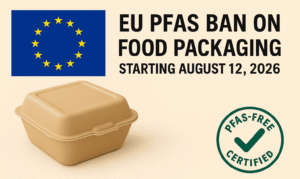
You see "sugarcane tableware1" on a package, and it sounds eco-friendly. But you're not sure what it is, where it comes from, or if it's just marketing hype for another flimsy paper plate.
Bagasse2 is the dry, fibrous pulp that remains after juice is extracted from sugarcane stalks. Instead of being discarded, this agricultural waste3 is repurposed and molded into durable, biodegradable4, and compostable products5 like plates and bowls, offering a truly sustainable alternative.
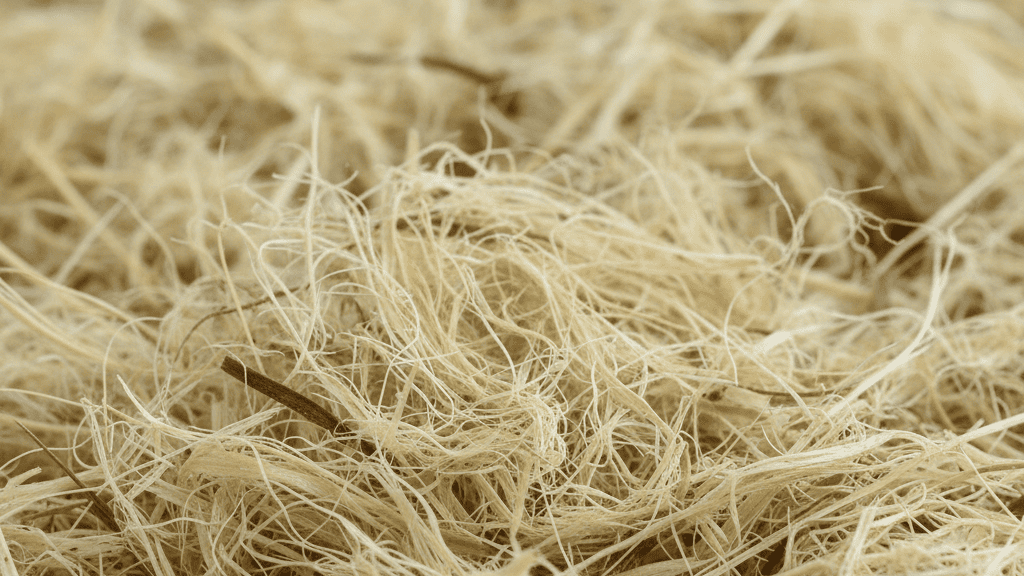
As a sales person at Webester Eco Pack, I work with this amazing material every day. I've seen it go from a pile of raw fiber to a sturdy, reliable plate that can handle a heavy meal. It’s more than just "plant stuff"; it's a byproduct of one industry becoming the foundation of another. To really understand why it's a better choice than paper or plastic, we need to look closer at where it comes from and what makes it special.
Where does this 'miracle' material actually come from?
You know bagasse is from sugarcane, but the journey from a farm to a factory seems vague. Is it a complex process that uses a lot of extra energy or resources to create?
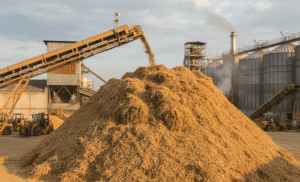
Bagasse2 is the leftover fibrous material from the sugar milling process6. After sugarcane stalks are crushed to extract their juice for sugar production, this pulp—an agricultural byproduct—is collected. This process turns potential waste into a valuable raw material for new products.
The process starts at a sugar mill. Huge quantities of sugarcane stalks are brought in and fed through massive rollers that crush and press them to squeeze out every last drop of sugary juice. That juice goes on to become the sugar we all know. What's left behind is a mountain of moist, stringy fiber. For a long time, this was seen as a low-value waste product. We, however, see it as a primary resource. This isn't just random plant matter; it’s a specific structure made of natural polymers7 that give it incredible strength.
- Cellulose: A strong, structural component that creates the main framework of the fiber.
- Hemicellulose: Helps bind the cellulose fibers together.
- Lignin: A complex polymer that provides rigidity and strength, essentially acting as the natural "glue."
These three components are what give wood its strength, and they do the same for bagasse. This is the very definition of turning waste into value.
How does using bagasse actually help the environment?
You want to choose products that are genuinely good for the planet. But terms like "biodegradable4" and "eco-friendly" are often confusing and don't tell the whole story of a product's impact.
Bagasse2 helps the environment in two critical ways. First, it reduces deforestation by providing a wood-free pulp for paper products. Second, it is fully biodegradable and home-compostable5, returning nutrients to the soil instead of piling up in landfills for centuries.
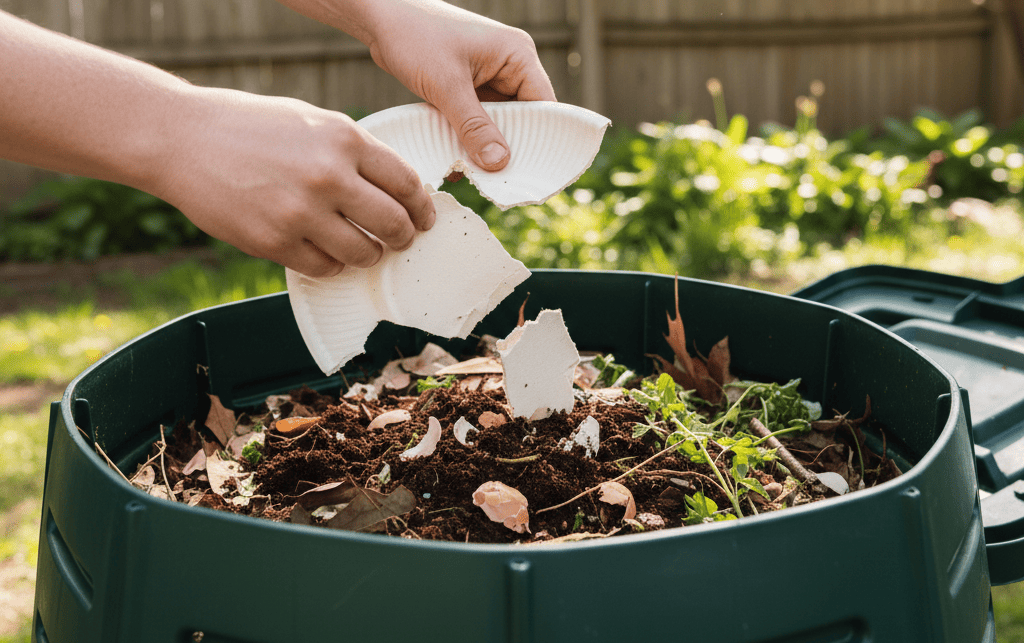
The environmental benefits are significant and clear. First, let's talk about trees. The paper industry relies heavily on wood pulp, which contributes to deforestation. Every single bagasse plate or container we make is one that doesn't need to be made from a tree. This takes direct pressure off our forests. Second, the end-of-life story for our products is just as important. Plastic can last for hundreds of years in a landfill, and even plastic-coated paper bowls struggle to break down. Bagasse2, on the other hand, is designed to return to the earth. In a home compost pile with the right conditions, it will break down into nutrient-rich soil in just a few months. It's a truly circular material.
Environmental Impact at a Glance
| Material | Source | End-of-Life Outcome |
|---|---|---|
| Plastic | Fossil fuels | Landfill for 500+ years |
| Coated Paper | Trees & Plastic | Landfill, difficult to recycle |
| Bagasse | Agricultural Waste | Compost, returns to soil |
How is raw fiber transformed into a durable plate?
It can be hard to imagine how a pile of raw, fluffy fiber can become a sturdy bowl that can hold hot soup. The transformation seems complex and leaves you wondering about its actual strength.
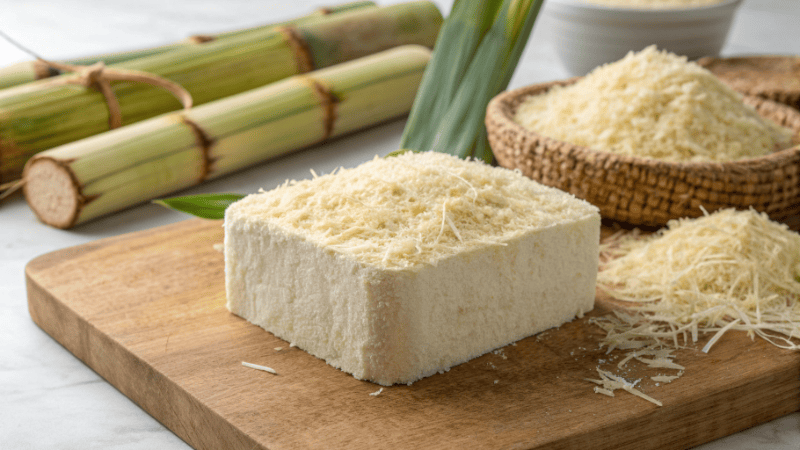
Raw sugarcane fiber board is first pupled to create a slurry. This pulp slurry is then poured into custom molds, where high heat and intense pressure are applied. This process presses out the water and forms the fibers into a dense, rigid, and heat-resistant shape.
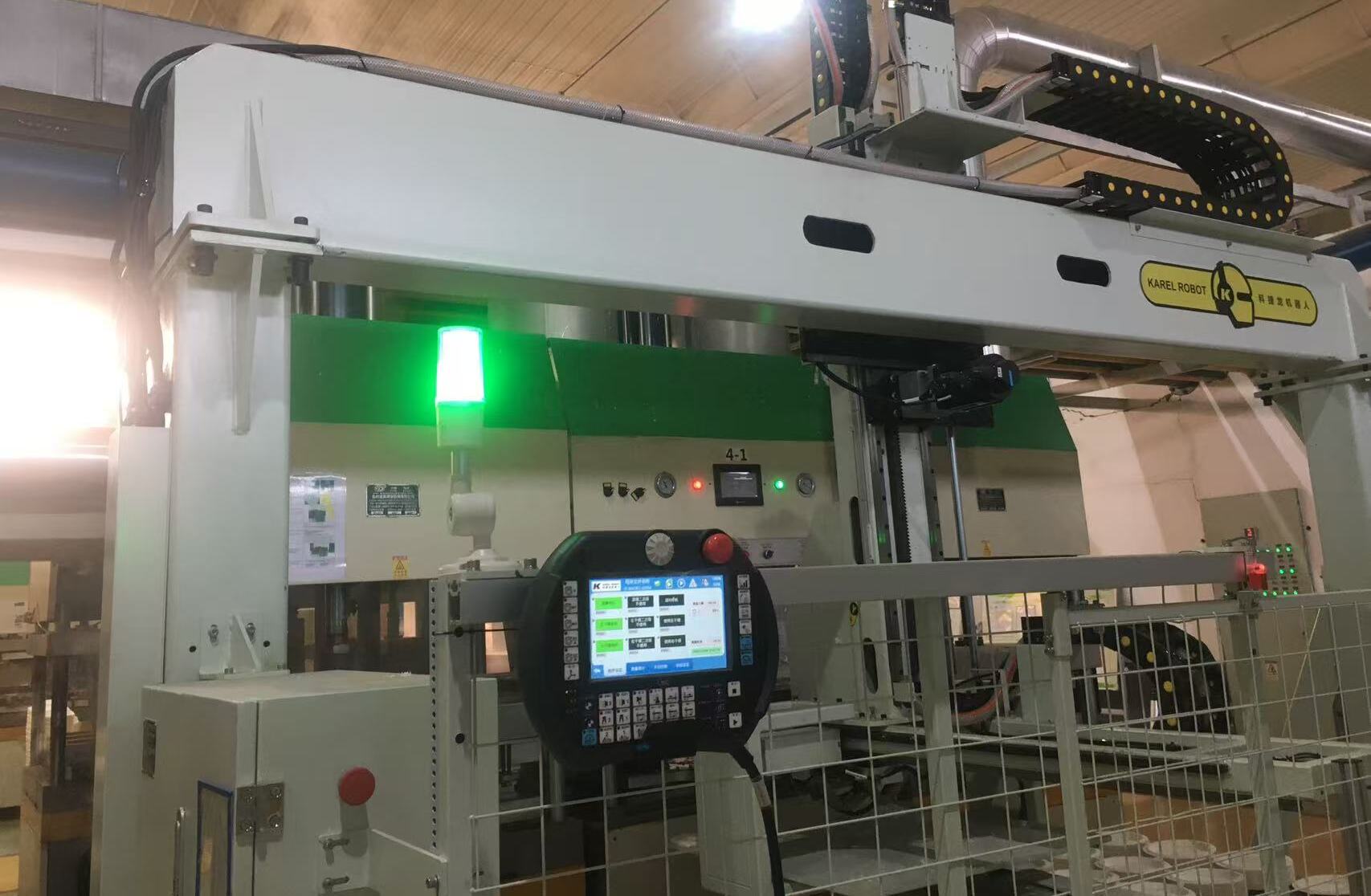
The transformation from raw fiber to a finished plate is a precise engineering process that we have perfected in our factory. Here’s a step-by-step breakdown of how it works:
- Pulp Slurry Creation: First, the raw sugarcane fiber8 board is pulped. We create a consistent, liquid pulp slurry that can be easily molded.
- Molding9: This slurry is then carefully piped into heated, two-part molds. These molds are shaped into the final product, like a plate or a bowl.
- Thermoforming10: The molds close, applying immense pressure and high heat. This critical step squeezes out all the water and locks the natural fibers (cellulose, hemicellulose, and lignin) tightly together.
- Engineered Strength: This process, called thermoforming, creates a dense and rigid structure. The product is naturally strong and resistant to heat and moisture without needing any artificial plastic or wax coatings.
- Quality Finish: The result is a reliable, sturdy product, engineered to handle real-world use—from hot soups to heavy meals—relying only on its natural structure.
Are there any downsides or challenges to using bagasse?
Bagasse2 sounds like a perfect solution, almost too good to be true. You might rightly wonder if there are any hidden challenges, supply issues, or limitations to this miracle material.
Yes, there are challenges. The two main ones are supply chain logistics11 and consistent product engineering. Bagasse2 availability is tied to sugarcane harvests in specific regions, and the raw material quality can vary, requiring strict quality control in manufacturing.
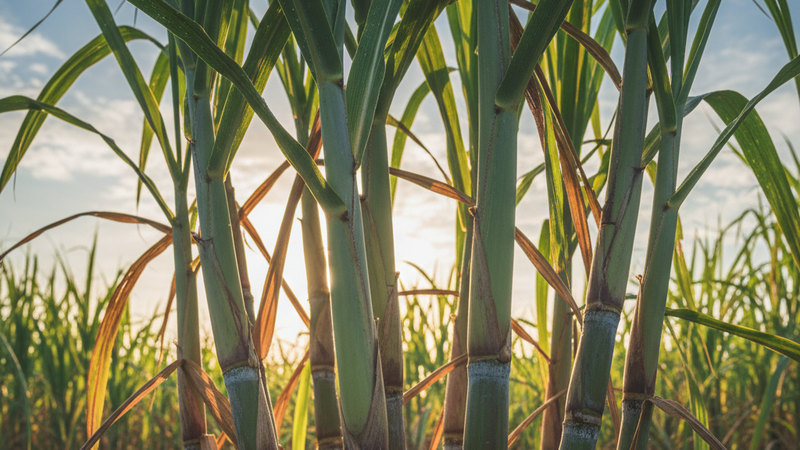
I believe in being transparent, and while bagasse is a fantastic material, we do face some real-world challenges in manufacturing. It’s important for our customers to understand the full picture:
- Geographic Supply Chain: Our raw material is a byproduct of the sugar industry, so its availability is tied to sugarcane harvests. This means supply is concentrated in specific regions of the world, like Brazil, India, and China. This requires careful logistics and supply management to ensure a steady stream for our factory.
- Raw Material Consistency: The quality of bagasse fiber can vary from one batch to another. Factors like moisture and ash content, which depend on the milling process, can affect the final product's strength and performance. We implement very strict quality control on all incoming fiber to guarantee consistency.
- Continuous Product Engineering: Uncoated plant fibers can naturally soften with prolonged contact with very hot liquids. We are constantly refining our thermoforming process12 to maximize the material's natural resistance, creating stronger and more durable products.
Conclusion
Bagasse2 is a smart, sustainable material that turns agricultural waste3 into strong, compostable products5. It’s a practical and powerful choice for a healthier planet.
Explore the process and benefits of sugarcane tableware, a sustainable alternative to plastic and paper. ↩
Learn about bagasse, its origins, and its role in creating eco-friendly products. ↩
Explore innovative ways to repurpose agricultural waste for sustainable solutions. ↩
Understand the significance of biodegradable materials and their benefits for the environment. ↩
Discover the advantages of compostable products and their role in reducing waste. ↩
Gain insights into the sugar milling process and how it contributes to bagasse production. ↩
Learn about natural polymers and their role in creating strong, eco-friendly materials. ↩
Learn about raw sugarcane fiber and its transformation into sustainable products. ↩
Explore this resource to understand how molding transforms raw materials into eco-friendly products, enhancing sustainability. ↩
Explore this resource to understand how thermoforming enhances the strength and durability of eco-friendly materials like bagasse. ↩
Learn about the significance of supply chain logistics in ensuring product availability. ↩
Discover how the thermoforming process transforms raw materials into durable products. ↩