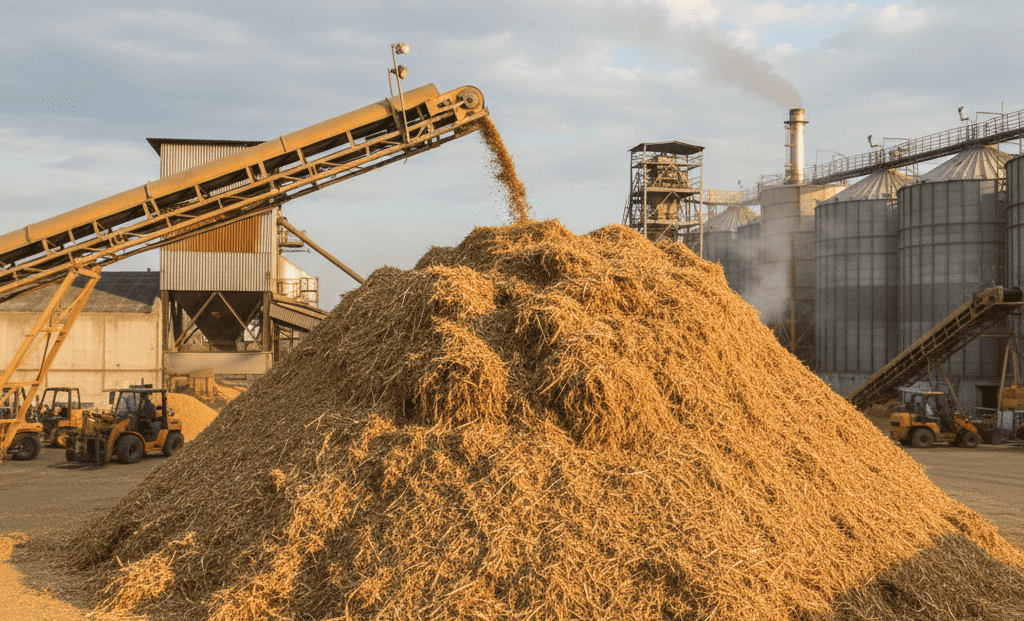
Ever wonder what happens to sugarcane after making sugar? A huge amount of fibrous waste is left behind. This "waste" is actually an incredibly valuable and versatile resource.
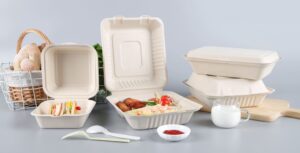
Sugarcane bagasse is most famously used to create eco-friendly disposable tableware1 like plates and containers. It's also used for paper production, as a biofuel2 to generate electricity, and in innovative green building materials, truly turning agricultural waste into value.
When I first started in this industry, I was amazed by how one simple byproduct could have so many incredible uses. For us at Webester Eco Pack, its role in food packaging is the most important, as it directly replaces harmful plastics. But to really understand the power of this material, we need to explore its full potential, starting with its most popular application today.
How Does Bagasse Revolutionize Food Packaging?
Tired of flimsy paper plates or plastic packaging that pollutes our planet? Businesses need a strong, reliable alternative that customers love. Bagasse offers a perfect, plant-based solution that performs beautifully.
Bagasse revolutionizes food packaging by providing a sturdy, compostable alternative3 to plastic and foam. It handles hot, wet, and greasy foods without leaking, and it breaks down into soil after use, creating a truly circular system that eliminates landfill waste.
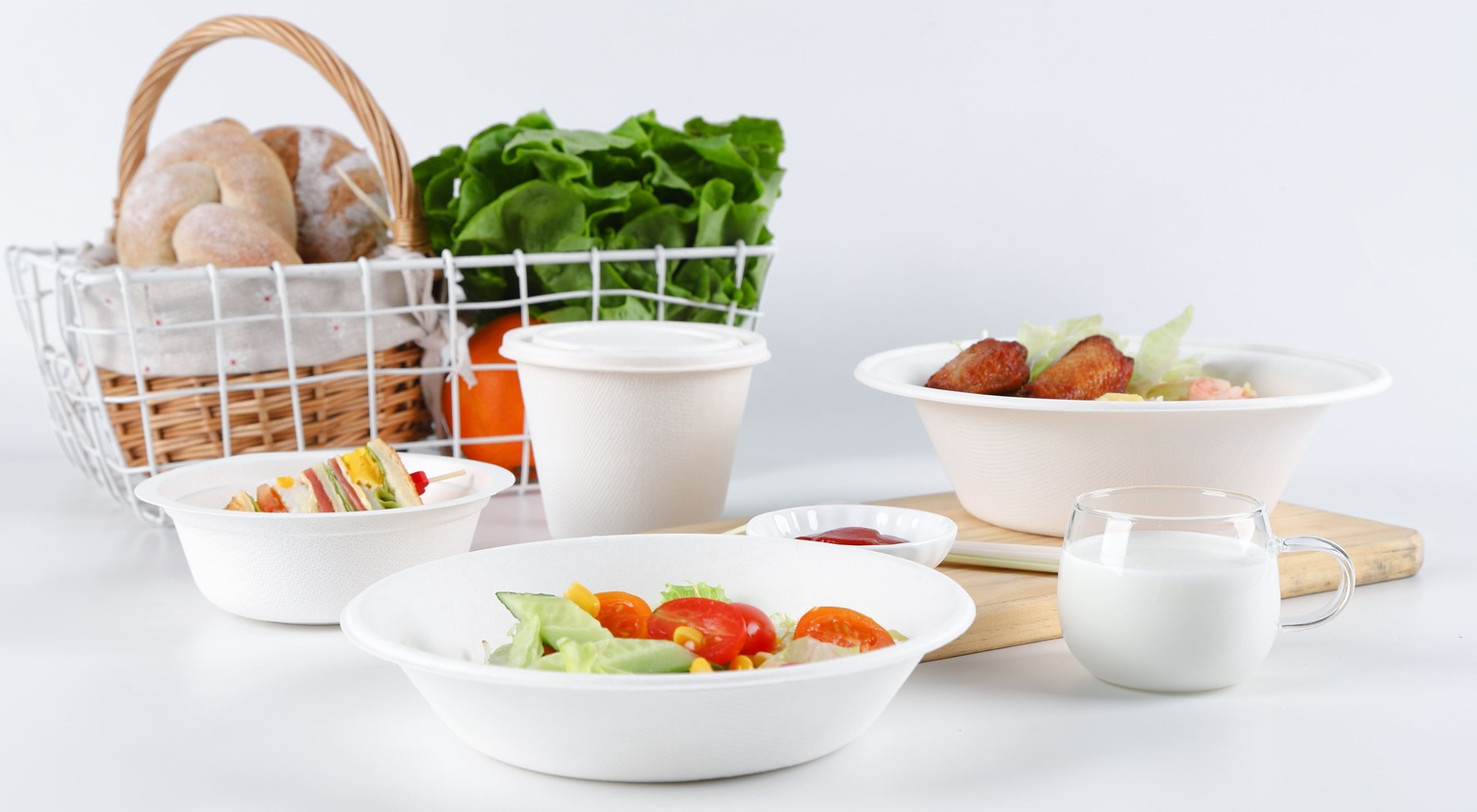
This is the very heart of my business. We built Webester Eco Pack on the principle of "Turn Waste into Value," and bagasse is the perfect example. It's not just a material that's "less bad" for the environment; it’s actively beneficial. By using a byproduct of the sugar industry, we avoid using virgin resources. More importantly, we create products that are designed to have a positive end-of-life, returning to the earth as nutrients. This solves the plastic problem at its source by offering a superior, truly sustainable alternative.
- Strength & Durability: Bagasse products are famously rigid. They hold their shape with heavy or saucy foods and can be handled with one hand, unlike flimsy paper plates.
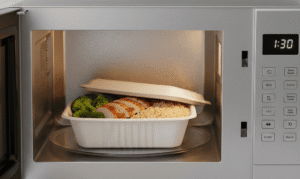
- Temperature Resistance: It's completely safe for both hot and cold foods, and can be used in the microwave and freezer without warping or leaching chemicals.
- Natural Materials: It is made from 100% reclaimed sugarcane fiber, meaning it is free from the plastic liners that make most paper products non-compostable.
- True Compostability: Our products are certified to break down in home or industrial compost systems, turning into healthy soil in a matter of months.
Can Bagasse Power Our Factories and Fuel Our Future?
Fossil fuels are expensive and a major driver of climate change. At the same time, sugar mills produce tons of fibrous waste daily. What if that waste could be turned into clean energy right on site?
Yes, bagasse is a major source of bioenergy4. Sugar mills burn it in boilers to generate their own steam and electricity (cogeneration), reducing their reliance on fossil fuels. It is also being developed into advanced biofuel2s like cellulosic ethanol5.
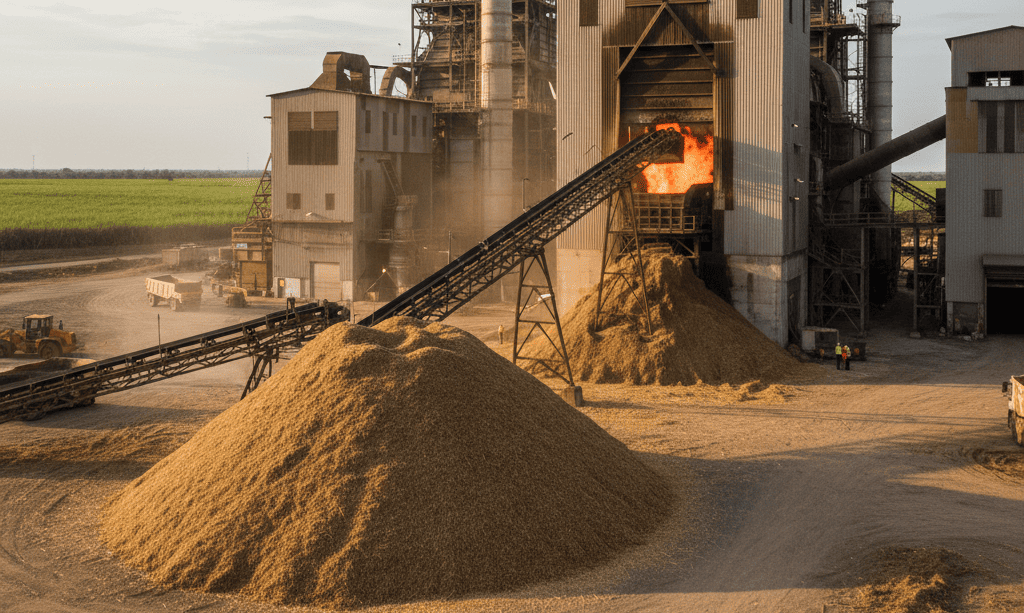
This is one of the most brilliant examples of a circular economy6 in action. The sugar mill uses the sugarcane to make sugar, and then uses the leftover bagasse to power the entire factory. This creates a self-sufficient, closed-loop system that dramatically cuts costs and carbon emissions. It’s a carbon-neutral process because the CO2 released when burning the bagasse is roughly equal to what the sugarcane plant absorbed from the atmosphere while it was growing. Beyond this, scientists are working on turning these tough plant fibers into liquid fuel for transportation, positioning bagasse as a key player in the future of renewable energy.
| Feature | Sugarcane Bagasse | Fossil Fuels (e.g., Coal) |
|---|---|---|
| Source | Renewable (Plant byproduct) | Finite (Mined from earth) |
| Carbon Impact | Largely carbon-neutral | Major source of CO2 emissions |
| Sustainability | High (Uses agricultural waste7) | Low (Depletes natural resources) |
| Local Impact | Creates a self-sufficient system | Requires transportation, price volatility |
Is Bagasse a Viable Alternative to Wood for Paper and Construction?
Deforestation is a massive global problem, driven by the constant demand for paper and wood products. Finding sustainable, tree-free alternatives is critical. Bagasse fiber offers a powerful solution we can use today.
Absolutely. Bagasse is an excellent wood alternative8 for producing paper, paperboard, and even building materials like particleboard. Using bagasse reduces the need to cut down forests, preserves vital ecosystems, and makes smart use of an existing agricultural waste7 stream.
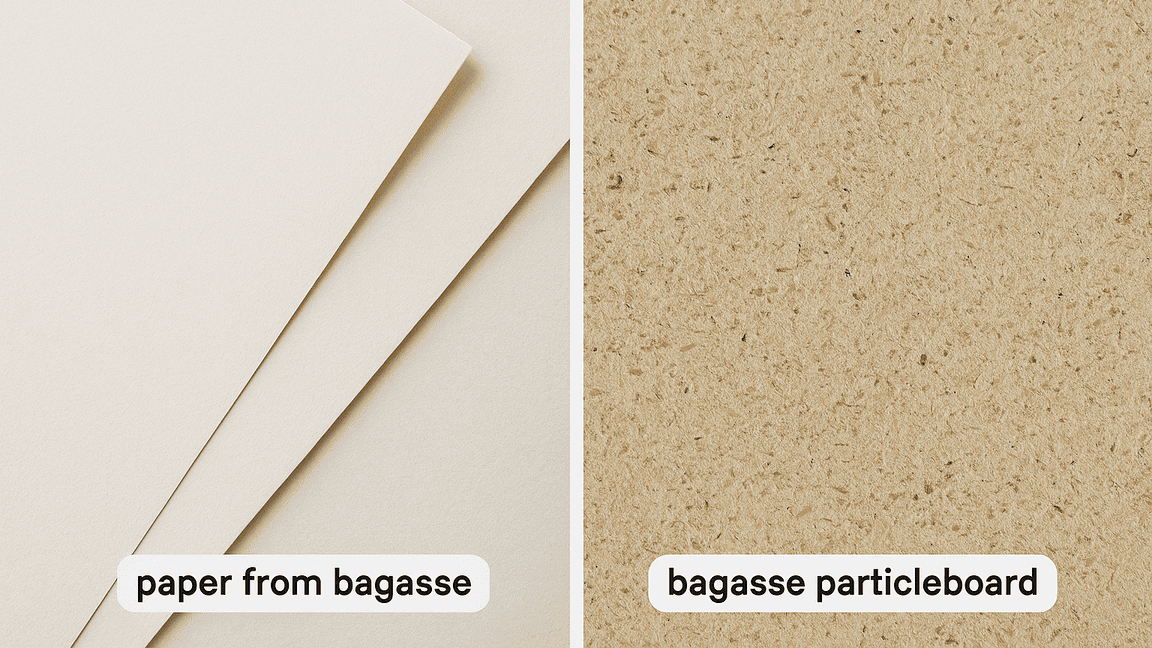
The fibers in bagasse are very similar to wood pulp, making it a natural fit for making paper. But the real advantage is its renewability. Sugarcane is a grass that is harvested every year, while trees can take decades to mature. This means we can produce paper fiber from bagasse far more sustainably and quickly than from forests. This same fibrous material is also strong enough to be pressed into wood-alternative panels like particleboard and MDF. Instead of using wood chips, manufacturers can use bagasse to create furniture, cabinetry, and construction boards, further reducing the pressure on our world’s forests.
- Reduces Deforestation: Directly saves trees by providing a high-quality alternative fiber source.
- Rapidly Renewable: Harvested annually, making it a much more sustainable resource than slow-growing forests.
- Waste Utilization: Turns a massive agricultural byproduct that might otherwise be discarded into valuable, long-lasting products.
- Versatile Applications: The fiber is suitable for everything from delicate tissue paper to strong construction panels.
What Are the Future High-Tech Uses for Sugarcane Bagasse?
We often think of agricultural waste7 as a simple, low-tech material. But scientists are discovering new, advanced applications for it every day. Bagasse is at the forefront of this green technology revolution.
In the future, bagasse will be used in high-tech applications like water purification filters (activated carbon9), lightweight nanocellulose10 films, and as a sustainable additive to make stronger, greener concrete. It's also used in horticulture for biodegradable nursery pots11.
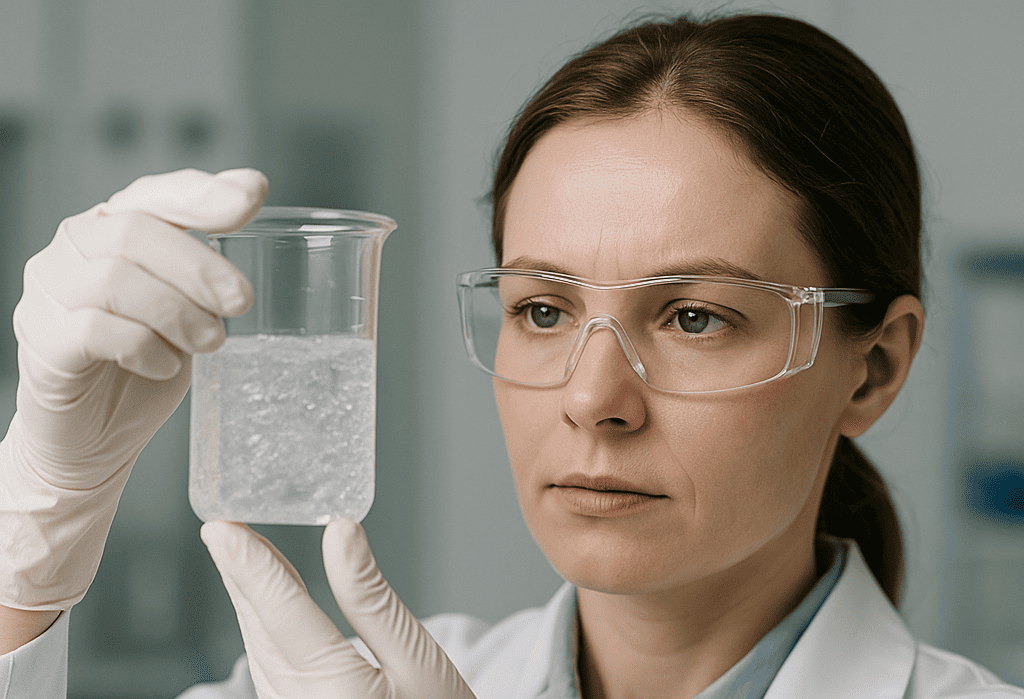
The potential for this material is still growing. For example, when bagasse is processed into activated carbon9, its incredibly porous structure becomes a natural filter, trapping impurities to purify water and air. Even the ash left over from burning bagasse for energy has a high-tech use; it can be added to cement to make concrete stronger and more sustainable. On a simpler but equally innovative level, bagasse is being molded into biodegradable seedling pots for horticulture. These pots can be planted directly into the ground, where they decompose and enrich the soil, eliminating plastic waste in gardening. These applications show that bagasse is not just a substitute material, but a key component for the green technologies12 of the future.
- Environmental Remediation: Activated carbon for cleaning water and air.
- Advanced Materials: Nanocellulose for creating strong, lightweight films and coatings.
- Green Construction: Bagasse ash as a supplement to reduce the carbon footprint of cement.
- Sustainable Agriculture: Biodegradable pots that eliminate plastic and improve soil health.
Conclusion
From powering factories to making compostable plates and green concrete, sugarcane bagasse proves that one industry's waste is another's treasure, paving the way for a truly circular economy6.
Learn about the production process of eco-friendly tableware and its environmental benefits. ↩
Discover the process of biofuel production and its role in renewable energy. ↩
Understand the importance of compostable alternatives in reducing plastic waste. ↩
Learn about bioenergy and its significance in the transition to renewable energy. ↩
Discover the process and benefits of producing cellulosic ethanol from agricultural waste. ↩
Explore the concept of a circular economy and its impact on sustainability. ↩
Explore innovative ways to utilize agricultural waste for environmental benefits. ↩
Explore the advantages of using wood alternatives like bagasse in various industries. ↩
Explore the uses of activated carbon in environmental remediation and filtration. ↩
Learn about nanocellulose and its innovative uses in various industries. ↩
Discover the benefits of biodegradable nursery pots in sustainable gardening. ↩
Discover the role of green technologies in promoting sustainability and reducing waste. ↩