Trying to ditch plastic but worried about the cost? It feels like every eco-friendly option is expensive, making it hard to make the switch for good.
Cheap eco-friendly alternatives include recycled paper1 for packaging, reusable jute bags2, and plant-based items like bamboo cutlery and bagasse tableware3. These options reduce plastic waste without being expensive, especially when bought in bulk or reused over time, making sustainability affordable for everyone.
The idea that "green" means "expensive" is a common myth. In reality, some of the best alternatives to plastic are surprisingly affordable. To prove it, let's look at some simple swaps you can make in your daily life, starting with the packaging that fills our homes and moving on to the things we use every day.
Can paper and cardboard really replace all that plastic packaging?
Your home is filled with plastic packaging from online orders and takeout. What if you could get the same convenience with materials that are actually recyclable and affordable?
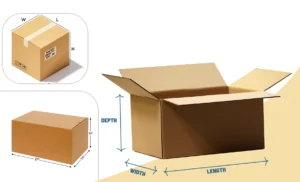
Yes, recycled paper1 and cardboard are excellent low-cost alternatives for many types of plastic packaging. They are perfect for mailers, bags, and boxes. They are widely recyclable and often cheaper than their plastic counterparts, especially for businesses looking to make a sustainable switch4.
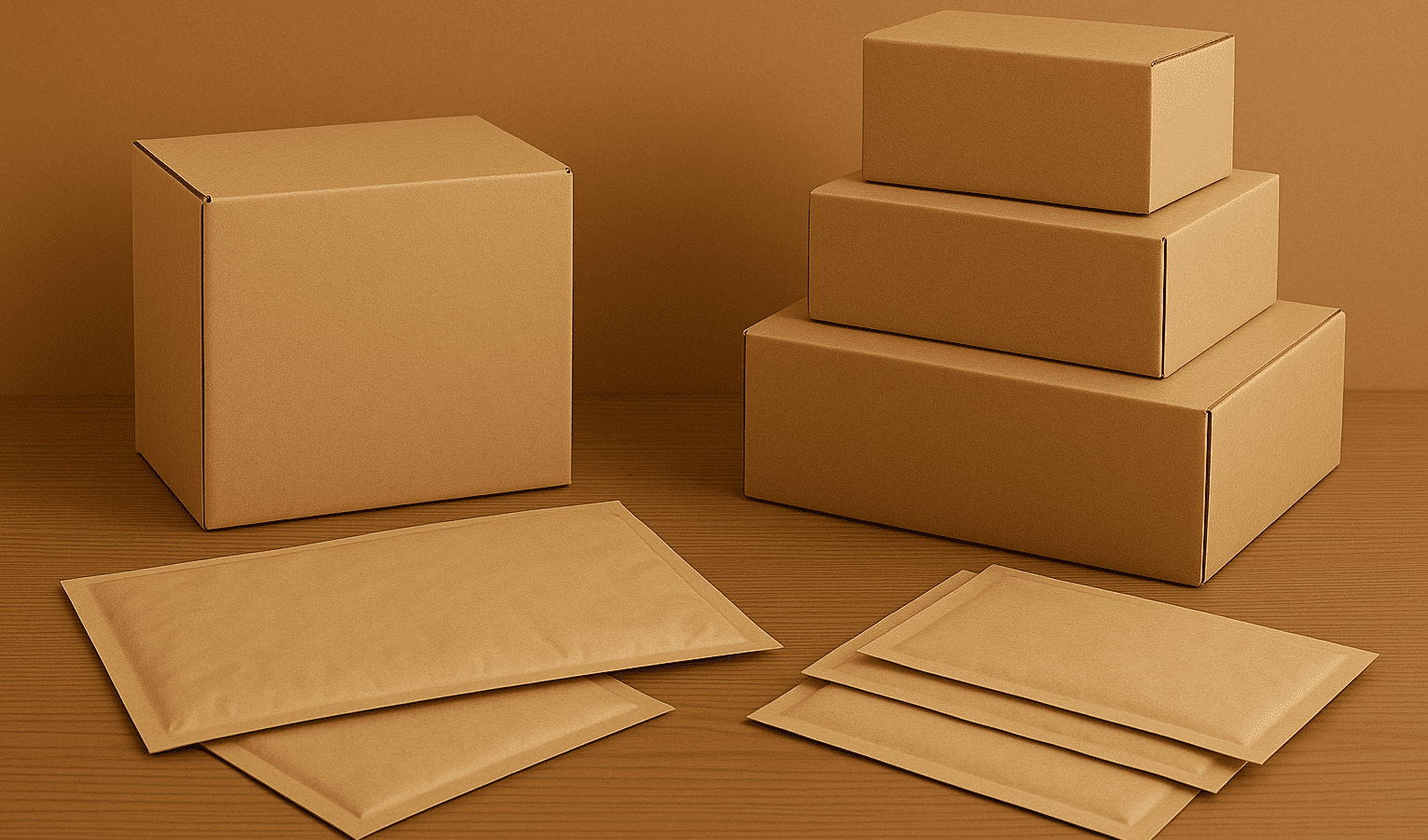
I used to be amazed at how much plastic waste came from just one online order. The bubble wrap, the plastic mailer, the air pillows—it was overwhelming. Then I started noticing that some companies were switching to paper-based solutions. Instead of bubble wrap, they used crinkled paper. Instead of plastic mailers, they used stiff cardboard envelopes. These materials do the exact same job of protecting the item, but I can just toss them in my recycling bin. For takeout food, more places are now using cardboard clamshells instead of styrofoam. And for fragile items, molded pulp trays5, like the ones used for egg cartons, offer amazing protection. Even those dreaded packing peanuts have a green alternative now; many are made from starch and dissolve in water.
Here’s a simple breakdown of the swaps:
| Replaces This Plastic | Use This Cheap Alternative | Key Benefit |
|---|---|---|
| Polystyrene Packing Peanuts | Starch-Based Packing Peanuts | Dissolves in water, compostable |
| Plastic Bubble Mailers | Paper or Cardboard Mailers | Widely recyclable |
| Plastic Takeout Containers | Molded Pulp or Bagasse Boxes | Compostable and heat-tolerant |
| Plastic Air Pillows | Crinkled Recycled Paper | Recyclable and effective cushioning |
Aren't reusable bags and containers just more expensive upfront?
You know reusable bags are better, but buying them feels like another expense. Is it really worth the initial cost when plastic bags are practically free at the store?
While reusable bags6 and containers have an upfront cost, they become much cheaper over time. A durable jute or cotton bag can replace hundreds of single-use plastic bags, making it a very cost-effective choice in the long run. The key is cost-per-use, not the initial price.
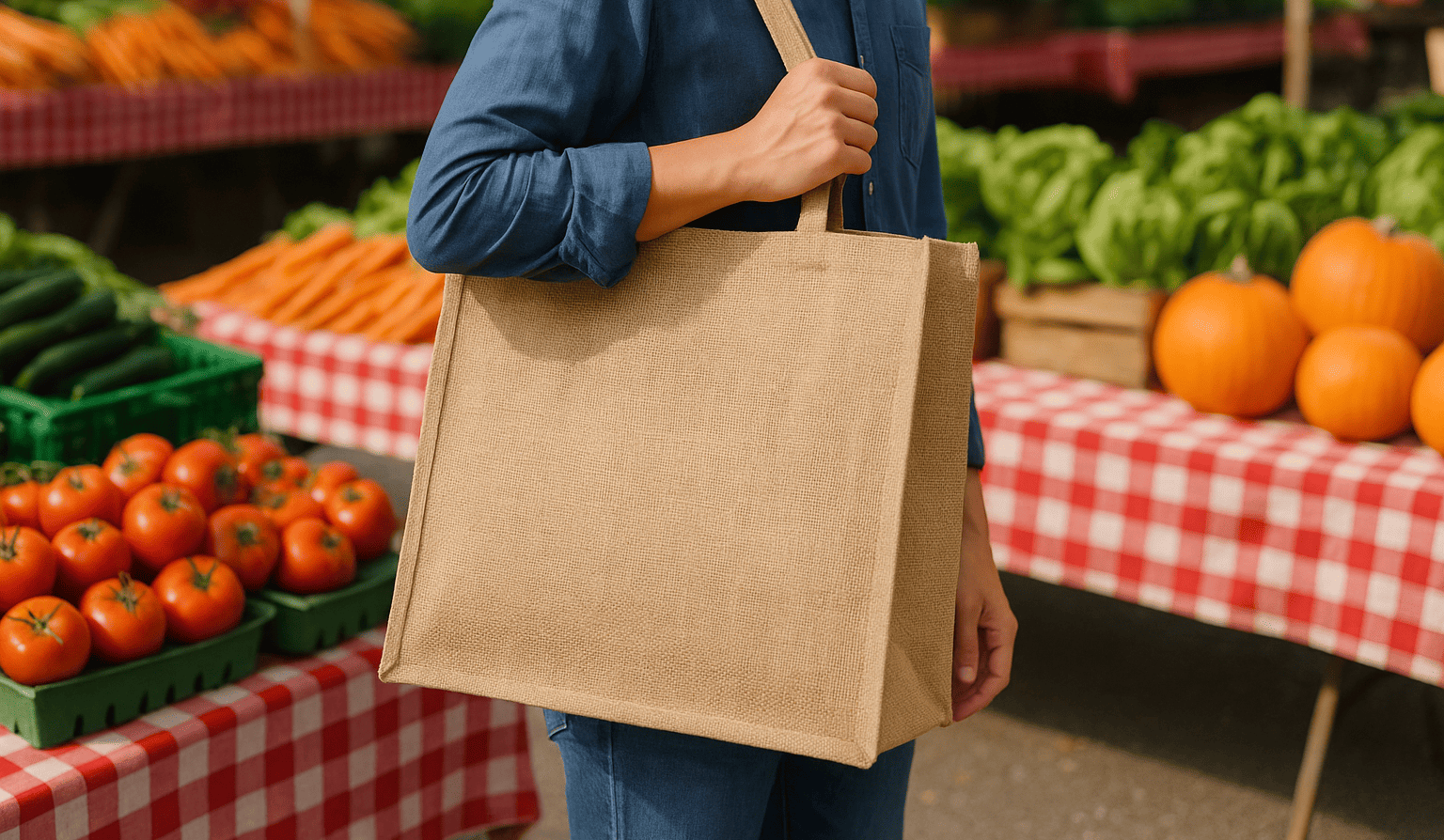
I remember paying a dollar or two for my first set of cotton tote bags and wondering if I was just wasting money. But then I started tracking how often I used them. I take them to the grocery store every week. That single purchase has saved me from using hundreds, maybe thousands, of plastic bags over the years. The initial cost was paid back a long time ago. The same idea applies to other systems, like returnable packaging. Think of old-fashioned milk delivery with glass bottles. You pay a small deposit for the bottle, and when you return it, you get your deposit back. This system creates zero waste and the cost per use is extremely low. We are seeing a comeback of this model with refill stations7 for things like soap, shampoo, and dry goods. Bringing your own container might feel like a hassle at first, but it quickly becomes a habit that saves money and plastic.
Here are some examples of reusables that pay for themselves:
- Jute or Cotton Tote Bags: Super durable for groceries and shopping.
- Mesh Produce Bags: Replaces the thin plastic bags for fruits and vegetables.
- Glass Jars: For buying bulk foods like rice, nuts, and pasta at refill stores.
- Deposit-Return Bottles: For milk, juice, or other beverages.
What about disposable items for parties and picnics?
Planning a party but dreading the mountain of plastic plates and cutlery? You want convenience, but not at the expense of the planet, your wallet, or your health.
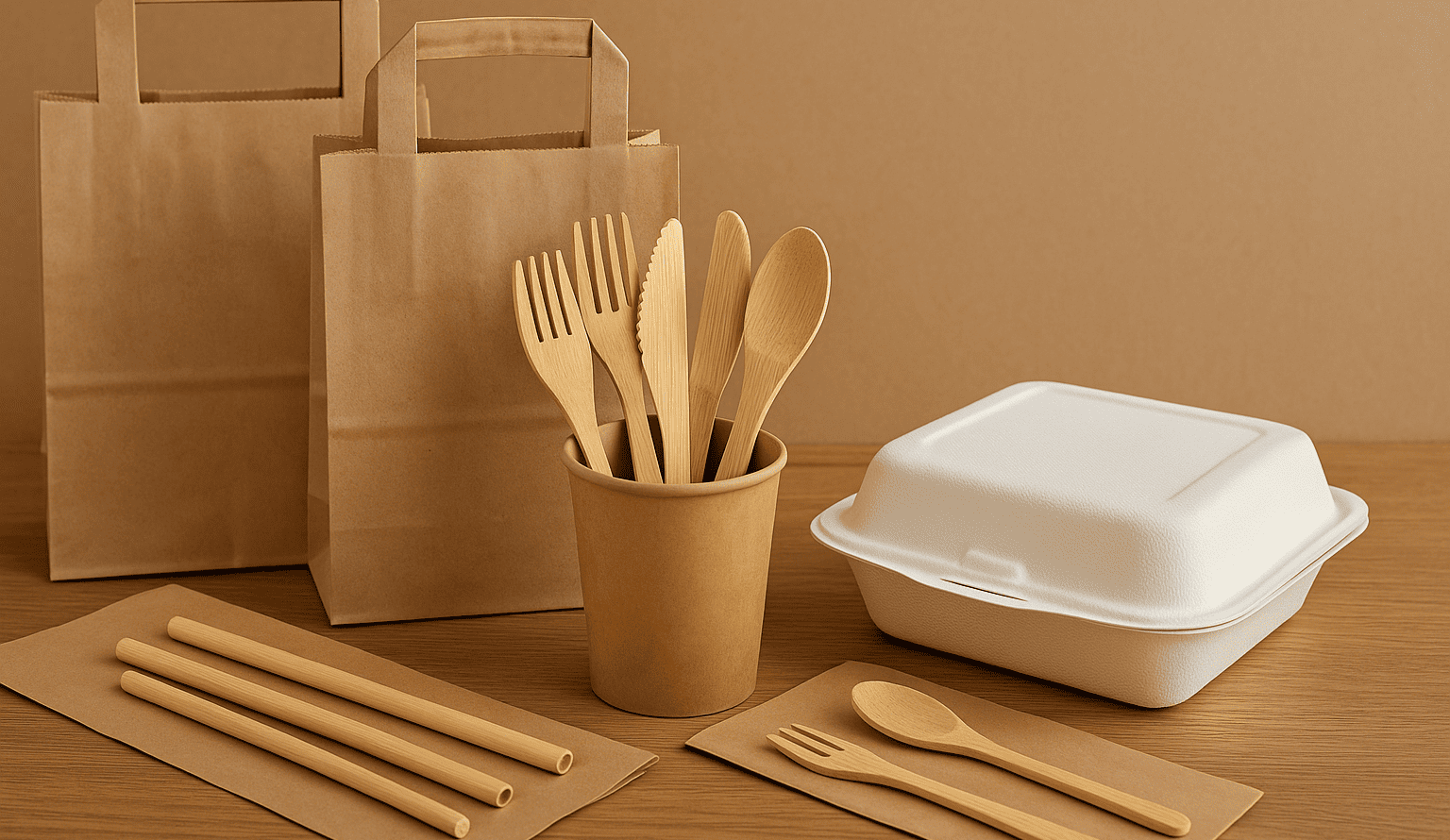
For disposables, bagasse (sugarcane fiber) tableware8 is a cheap, sturdy, and safe compostable alternative to plastic. Paired with inexpensive paper straws and wooden cutlery, you can host an event without creating lasting plastic waste or worrying about harmful chemicals.

I hosted a backyard barbecue last summer and was determined to avoid a trash can full of plastic. I initially looked at several plant-based options, but after learning the FDA banned the palm leaf plates because its research confirmed that naturally occurring toxins, including a known carcinogen, can leach from the plates into your food, posing a long-term health risk. The choice became easy. I went with bagasse tableware3. It's made from sugarcane fiber, a waste product from the sugar industry, and is naturally grease-resistant without needing those risky chemical coatings. The plates were strong, didn't get soggy with food, and could even be microwaved. We paired them with simple wooden cutlery and paper straws. At the end of the party, everything went into our city compost bin. It felt great to have convenient disposables without the guilt or safety concerns.
Here is how these disposables stack up:
| Category | Plastic Option | Safe Eco-Alternative | Why It's Better |
|---|---|---|---|
| Plates/Bowls | Polystyrene or Plastic | Bagasse (Sugarcane Fiber) | Strong, heat-tolerant, compostable, PFAS-free |
| Cutlery | Plastic Forks/Knives | Bamboo or Wooden Cutlery | Biodegradable, made from renewable source |
| Straws | Plastic Straws | Paper Straws | Inexpensive, biodegradable |
| Stirrers | Plastic Stir Sticks | Wooden Stir Sticks | Very cheap, compostable |
Are there futuristic, cheap alternatives on the horizon?
You're making simple swaps, but are you curious about the future? Are scientists creating new materials that could solve our plastic problem for good without costing a fortune?
Yes, exciting and affordable materials are being developed. Mycelium (from mushrooms) and seaweed are being used to create compostable packaging. These innovative solutions use agricultural waste, require little energy to produce, and can replace materials like polystyrene foam at a competitive cost.
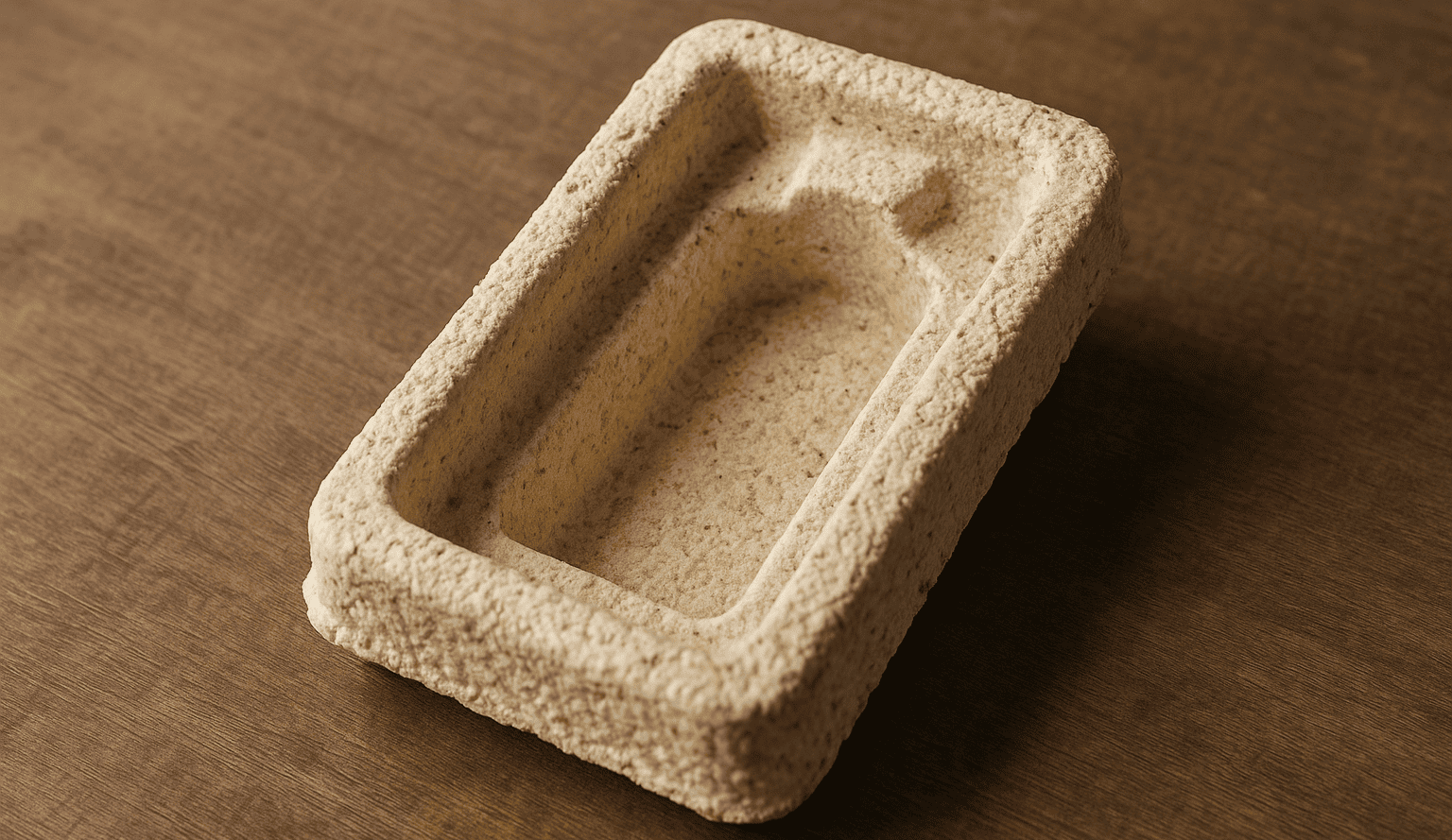
This is the stuff that gets me really excited. We're moving beyond just replacing plastic and are inventing entirely new materials. One of the coolest is mycelium packaging9. Mycelium is the root structure of mushrooms. To make packaging, you just mix it with agricultural waste like wood chips in a mold. In a few days, it grows into the exact shape you need, creating a protective cushion that is just as good as styrofoam. After you use it, you can just break it up and throw it in your garden. Another amazing innovation is film made from seaweed or cellulose. These can replace the thin plastic used for things like snack wrappers or sauce packets. Some of these films are even edible or dissolve in water. These aren't just lab ideas anymore; major companies are starting to use them because they work well and the cost is coming down as production scales up.
Here are some of the benefits of these new materials:
- They are grown, not manufactured with fossil fuels.
- They often use waste products as their raw material.
- The production process uses very little energy.
- They are 100% home compostable, returning nutrients to the soil.
Conclusion
Ditching plastic doesn't have to be expensive. From simple paper swaps to reusable bags6 and new bio-materials, affordable and eco-friendly alternatives are already here for you to use.
Explore how recycled paper can reduce plastic waste and save costs in packaging. ↩
Learn about the sustainability and durability of jute bags as an alternative to plastic. ↩
Find out how bagasse tableware offers a compostable alternative to plastic disposables. ↩
Explore the positive impacts of adopting sustainable practices in daily life. ↩
Discover how molded pulp trays provide a sustainable option for packaging fragile items. ↩
See how reusable bags can save money and reduce plastic usage over time. ↩
Understand how refill stations can help reduce plastic waste and save money. ↩
Explore this resource to learn how bagasse tableware is a sustainable, compostable alternative to plastic, perfect for eco-friendly events. ↩
Explore the innovative use of mycelium in packaging and its environmental benefits. ↩