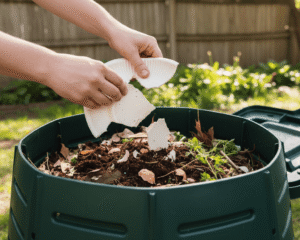
Struggling to choose eco-friendly food packaging? The wrong choice can harm your brand and the planet. Making an informed decision is vital for a sustainable business model1.
The best types of disposable food packaging are those that are truly compostable2, like uncoated paper3 and bagasse4 (sugarcane) products. They return to the earth without leaving toxic residues, offering a truly circular solution5 that reduces landfill waste and plastic pollution.
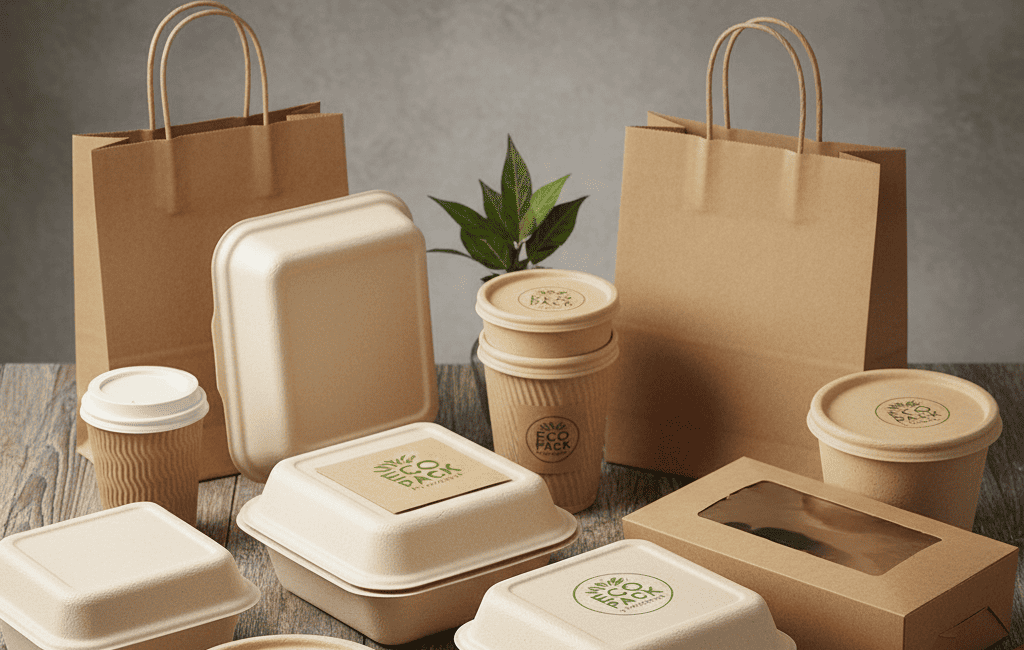
The "best" container often depends on what you're serving and the disposal facilities available in your area. But as I've learned in this industry, some materials are clearly better for the Earth than others. To help you navigate the options, let's break down the most common types of disposable packaging, starting with the one that causes the most debate.
Why Are Plastic Containers a Problem for the Environment?
Many businesses see "recyclable" plastic as an easy green choice. But the reality of plastic recycling6 is complicated and often falls short of our expectations, creating more problems down the line.
Plastic containers are a problem because of extremely low real-world recycling rates, food contamination7 issues, and the creation of microplastics8. Most plastic packaging ultimately ends up as long-term pollution, despite being technically recyclable.
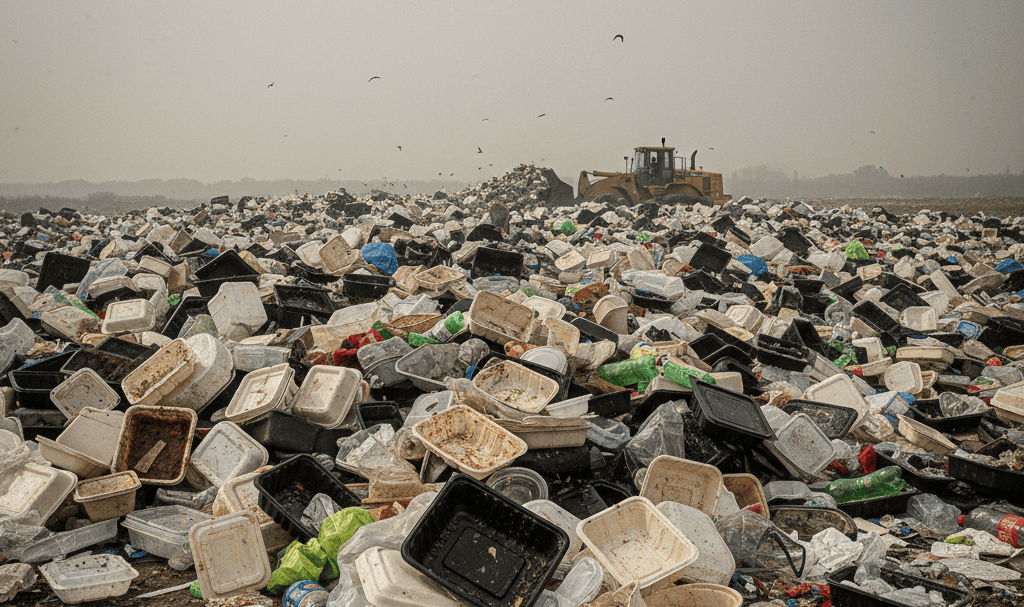
In my experience, many people are surprised to learn how the plastic recycling6 system actually works. It's not the perfect, closed-loop process we imagine. The numbers and the science paint a very different picture. When we look closer, we see that relying on plastic packaging like PP (polypropylene) and PET (polyethylene terephthalate) is a risky strategy for any business that is serious about sustainability. Their end-of-life journey is full of problems that undermine their perceived convenience.
The Hard Truth About Plastic Recycling
- Extremely Low Recycling Rates: Globally, only a small fraction of plastic is ever recycled. For PP, the rate is often just 1–3%. This means over 97% of it ends up in landfills, incinerators, or our oceans. Food residue makes recycling even harder.
- Downcycling, Not Recycling: Plastic can't be recycled forever. Each time it's processed, its quality degrades. This is called "downcycling9." A food container won't become another food container; it becomes a lower-grade product like a park bench or carpet fiber, which can't be recycled again. It's a one-way trip to the landfill.
- Microplastic Pollution: The breakdown of plastic, whether in a landfill or during the recycling process itself, creates tiny particles called microplastics8. These particles contaminate our soil, water, and even our food chain, posing risks to ecosystems and human health.
| Feature | Polypropylene (PP) | Polyethylene Terephthalate (PET) |
|---|---|---|
| Best For | Hot foods, microwaveable meals | Cold foods, salads, drinks |
| Recycling Reality | Very low rates (1-3%) | Higher rates, but still limited |
| End-of-Life | Mostly downcycled or landfilled | Often downcycled into fibers |
| Main Issue | Poor recycling value, high pollution | Can't handle heat, contaminates easily |
What Makes Bagasse and Paper a Truly Circular Solution?
You want to stop using plastic, but you worry about finding an alternative that is strong and reliable. Some paper products get soggy, and you're not sure which ones are actually good for the environment.
Bagasse and uncoated paper3 are a circular solution5 because they come from renewable plant sources and are fully compostable2. They break down naturally into soil, completing a true circle of life and turning what would be waste into a valuable resource.
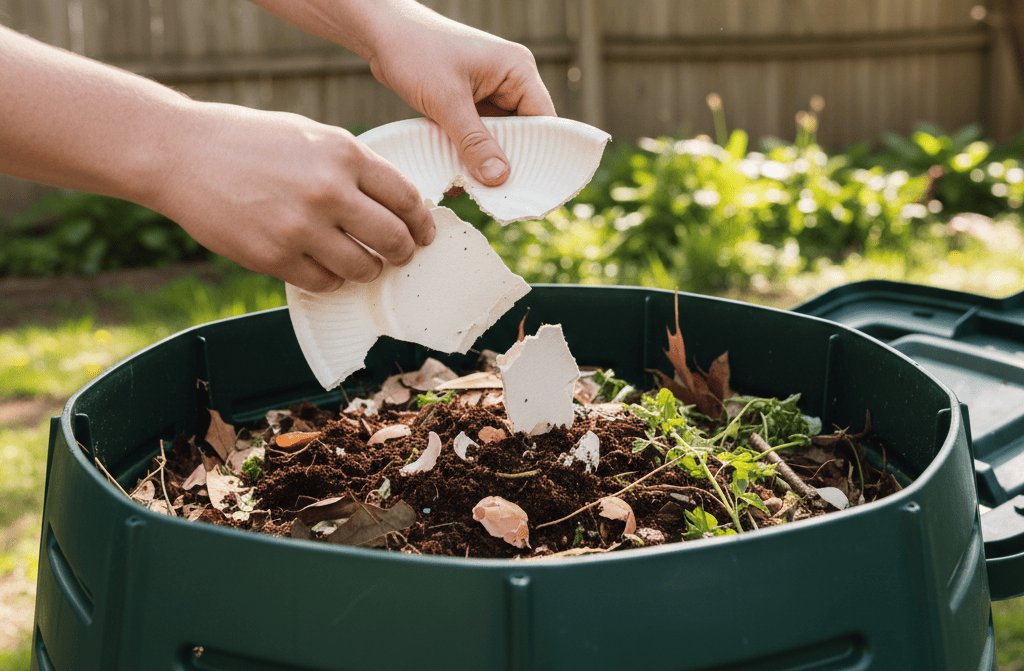
This is the principle my company, Webester Eco Pack, was built on: "Turn Waste into Value." Instead of creating packaging that will sit in a landfill for centuries, we create products that can be returned to the earth. It's a simple but powerful idea. These materials offer the performance businesses need without the environmental baggage of plastic. They are designed for the circular economy, where resources are reused and nothing is wasted, providing a guilt-free solution for both businesses and consumers.
Turning Waste into Value with Plant-Based Packaging
- Bagasse (Sugarcane Fiber): This is my favorite material, and for good reason. Bagasse is the dry, fibrous pulp left over after sugarcane stalks are crushed to extract their juice. It's a reclaimed agricultural byproduct. It's surprisingly strong and great for hot, wet, and greasy foods. Best of all, it's both home and industrial compostable, turning into nutrient-rich soil in months. Look for certifications like BPI and OK Compost Home to ensure quality.
- Uncoated Paper & Kraft: Paper is another fantastic renewable resource. Unbleached, uncoated paper or cardboard offers the smallest environmental footprint and is easily compostable. Be careful with paper products that have a shiny lining. This is often a thin layer of plastic (PE) that makes the container waterproof but also renders it non-compostable and difficult to recycle. Always opt for PFAS-free10 coated products if a barrier is needed.
| Material | Source | Best Feature | End-of-Life |
|---|---|---|---|
| Bagasse | Sugarcane Waste | Strong & handles heat; Home compostable | Decomposes into soil |
| Uncoated Paper | Trees / Recycled Fiber | Lightweight & widely available | Decomposes into soil |
Are Bioplastics and Aluminum Good Eco-Friendly Alternatives?
You've seen other options like shiny aluminum11 trays and clear cups labeled "compostable." These seem like good alternatives, but their environmental benefits can be confusing. It's not always clear how to dispose of them correctly.
Aluminum is an excellent choice for its high and infinite recyclability. Bioplastics like PLA are only a good alternative if industrial composting facilities are widely available to your customers, otherwise, they can cause more environmental harm.
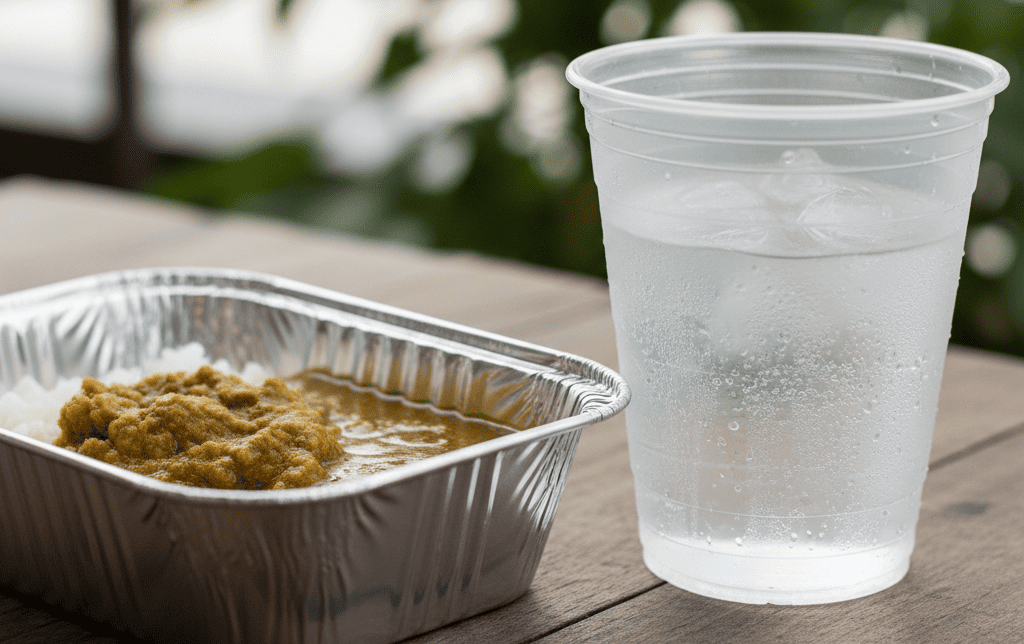
Understanding the disposal requirements for these materials is critical. A product is only as green as its end-of-life journey. While aluminum has a well-established and effective recycling system, the infrastructure for bioplastics12 is still catching up. Using a material like PLA in a region without the proper facilities can lead to it ending up in a landfill, where it won't break down, or contaminating the traditional plastic recycling6 stream.
Recyclable Metals vs. Industrial Compostables
- Aluminum: It's perfect for oven-safe trays and containers that need to retain heat. Aluminum is one of the most valuable and highly recycled materials on the planet. It can be recycled over and over again without losing quality, making it a very strong choice in a circular economy.
- Bioplastics (PLA): Made from plant starch like corn, PLA looks like clear plastic but is only suitable for cold applications. The most important thing to know is that PLA is only compostable in industrial facilities. It will not break down in a landfill or a home compost bin. This is a huge limitation.
- Materials to Avoid: You should always steer clear of Polystyrene foam (EPS) and PVC. They have very low recycling rates, are made from fossil fuels, and persist in the environment for hundreds of years, breaking down into harmful pieces. Many countries are already banning them for these reasons.
How Do You Select the Right Packaging for Your Food Business?
Knowing the materials is one thing, but making a truly sustainable choice is another. You need packaging that performs well without passing the environmental burden onto your customers or the planet.
To select the right packaging, start by eliminating non-compostable plastics from your options. Instead, focus on matching your food type to high-performance, plant-based materials like bagasse4 and uncoated paper, which offer a genuinely sustainable end-of-life solution.
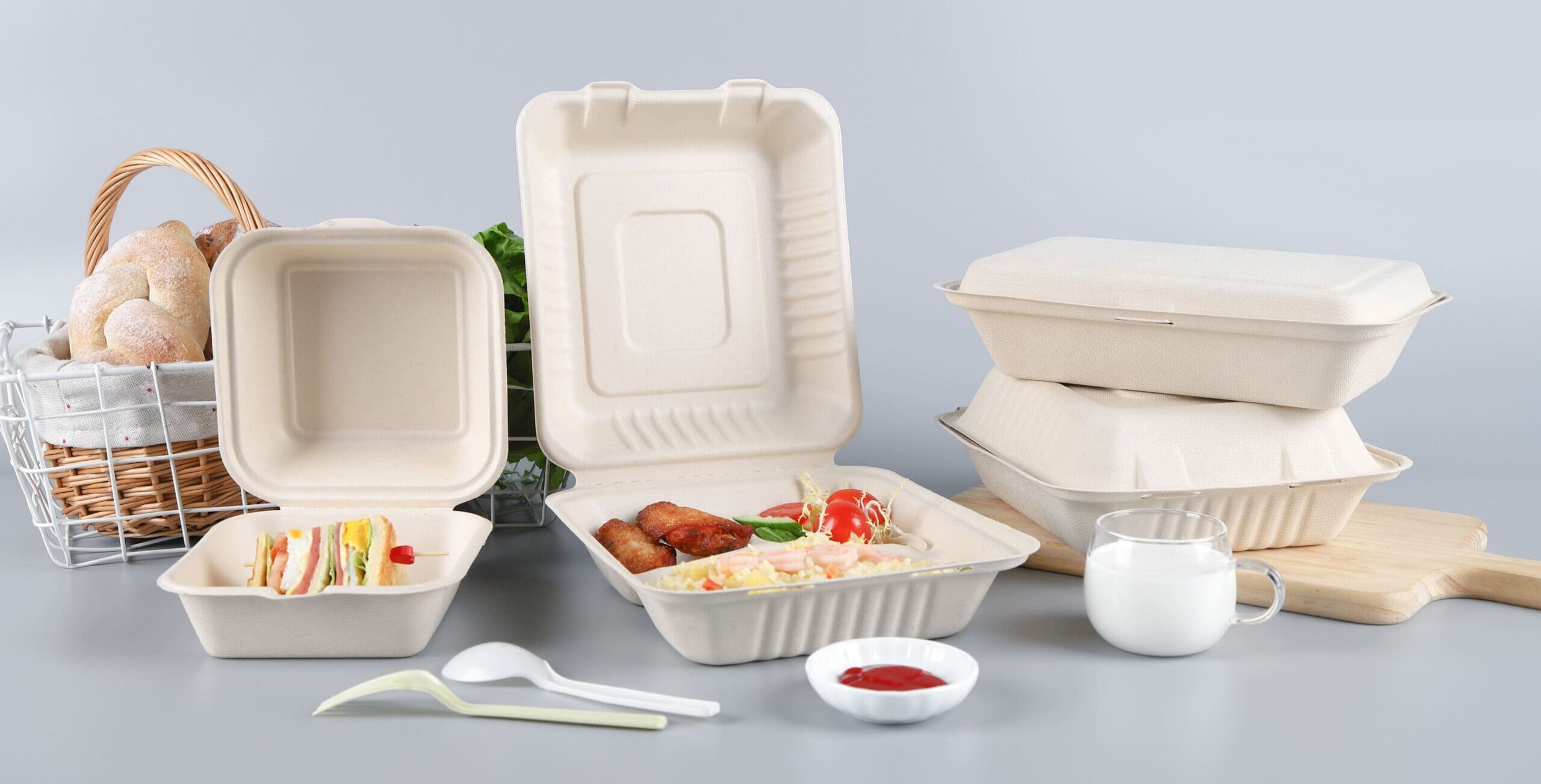
Making a smart choice means moving past the myth of plastic recycling6 for food packaging. In my business, we guide clients away from the confusing and often misleading claims of "recyclable" plastics. The reality is, food contamination7 makes most plastic packaging unrecyclable. The only truly responsible choice is to switch to materials that are designed to return to the earth. This simplifies your decision-making and ensures your business is part of the solution, not the problem.
A Practical Checklist for True Sustainability
- Prioritize Compostability Over Recyclability: Forget trying to figure out which plastic is "better." The recycling system for food-soiled plastic is fundamentally broken. Instead, make compostability your number one priority. Materials like bagasse4 are the gold standard because they are home compostable, turning into soil in a backyard compost bin and placing no burden on industrial facilities.
- Match Food to the Right Plant-Based Material: Once you commit to compostables, the choice becomes easy.
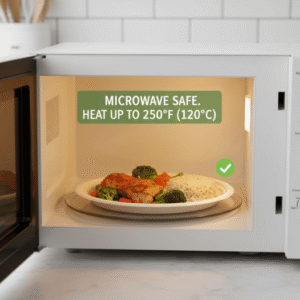
- For Hot, Wet, or Greasy Foods: Bagasse (sugarcane) is the undisputed champion. It's strong, durable, microwave-safe, and won't leak or get soggy.
- For Dry Goods (e.g., sandwiches, baked goods): Uncoated kraft paper or cardboard is a perfect, lightweight, and cost-effective option.
- Verify Certifications, Not Symbols: Don't be fooled by the chasing arrows symbol on plastic. Look for legitimate compostability certifications like BPI or OK Compost Home. These guarantee the product has been tested and will break down safely, turning waste back into a valuable resource, which is the core of our "Turn Waste into Value" mission.
- Demand High Performance: Switching to eco-friendly doesn't mean sacrificing quality. A great bagasse container keeps food secure and fresh, preventing spills and reducing food waste. This focus on performance ensures a great customer experience and reinforces the value of your brand.
Conclusion
Choosing truly compostable packaging like bagasse is the best step toward sustainability. It helps your business and the planet by reducing plastic waste and turning used containers back into valuable resources.
Explore how your packaging decisions can enhance your business's sustainability. ↩
Learn about compostable packaging and how it contributes to a sustainable environment. ↩
Discover why uncoated paper is a preferred choice for eco-friendly packaging solutions. ↩
Find out how bagasse can revolutionize your packaging choices with its eco-friendly properties. ↩
Understand the concept of circular solutions and their importance in sustainable packaging. ↩
Learn about the complexities of plastic recycling and its implications for sustainability. ↩
Learn about the impact of food contamination on recycling processes and outcomes. ↩
Discover the dangers of microplastics and their impact on health and the environment. ↩
Understand the process of downcycling and its effects on recycling efforts. ↩
Learn about the importance of PFAS-free products for health and the environment. ↩
Find out why aluminum is a top choice for sustainable packaging solutions. ↩
Explore the sustainability of bioplastics and their effectiveness in eco-friendly packaging. ↩