You hear 'sugarcane' and might think of sweet vegetables like corn. But trying to label it as a fruit or vegetable leads to confusion about what this amazing plant truly is.
Sugarcane is botanically classified as neither a fruit nor a vegetable; it is a type of perennial grass1 in the Poaceae family2. Like other grasses such as bamboo and corn, we value it for its stalk, or 'cane,' which is rich in sucrose3.

As someone whose business relies on a byproduct of this plant, I get this question a lot. The answer surprises people, but it's the key to understanding why sugarcane is such a sustainable resource. The fact that it's a grass is not just trivia; it changes everything about how we see its value, moving far beyond just the sugar it produces. Let's dig into why this classification is so important.
So if it's not a fruit or vegetable, what exactly is sugarcane?
The answer "neither" can feel unsatisfying. The word "grass" makes you think of your lawn, not a plant that grows several meters tall. This mismatch makes it hard to picture.
Sugarcane is a giant, fast-growing perennial grass1. Unlike lawn grass, its primary feature is a thick, jointed stalk that can grow over 10 feet tall. This stalk is a natural storage container for water and high concentrations of sugar, which is why it's cultivated.
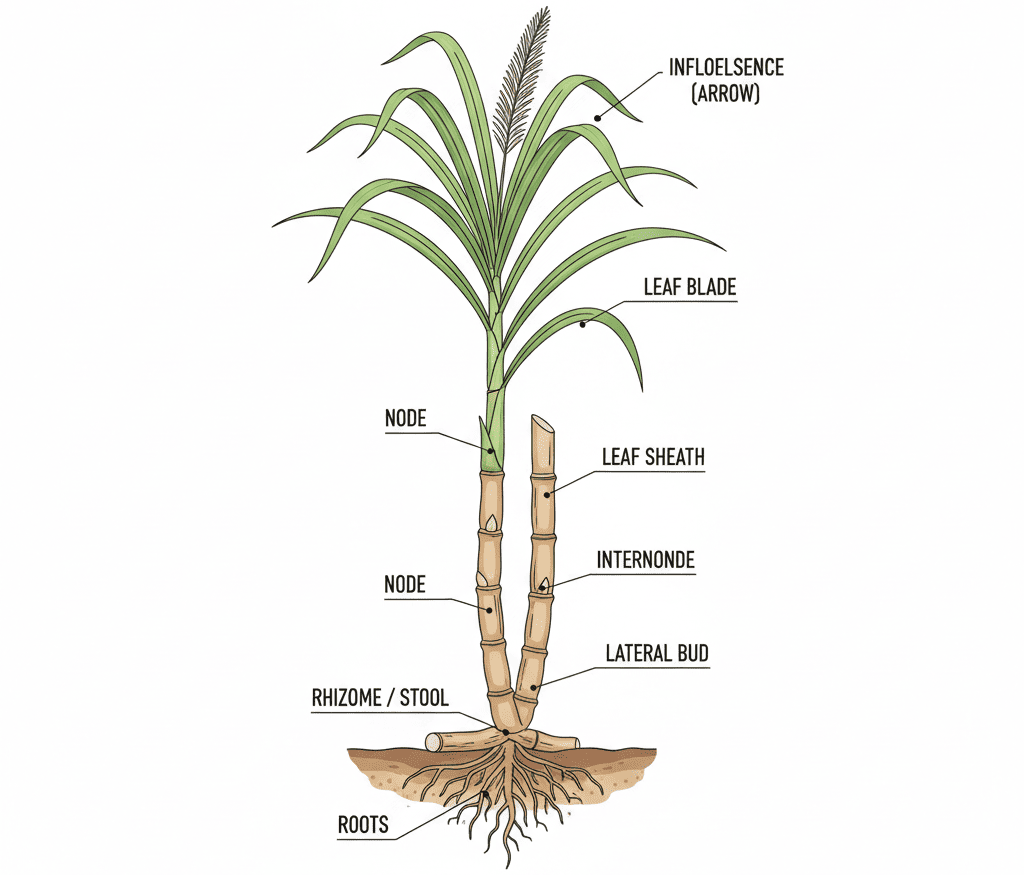
To understand this, let's look at the simple definitions. A fruit develops from the flower of a plant and contains seeds. A vegetable consists of other plant parts like roots, leaves, and stems. While we use the sugarcane stem (the cane), its botanical family tree places it firmly in the grass category. It shares a family, Poaceae, with some of the world's most important crops. Thinking of it this way makes it much clearer. It's not a misplaced vegetable; it's a super-sized, sweet-stemmed member of a very productive family. This distinction is crucial because its "grass" nature is the secret to its sustainability4.
Plant Classification Simplified
| Category | Botanical Definition | Sugarcane's Relation |
|---|---|---|
| Fruit | The seed-bearing part from a plant's flower. | Does not fit. We don't use a fruit part. |
| Vegetable | Other edible parts like roots, stems, or leaves. | Closer, as we use the stem, but not its primary class. |
| Grass (Poaceae) | Plants with jointed stems and slender leaves. | Correct. Its structure and family align perfectly here. |
Why does classifying sugarcane as a grass even matter?
This might seem like a boring botanical detail. You might be thinking, who cares what it's called as long as it gives us sugar? But ignoring its classification means you miss the whole story.
Its classification as a grass is key to its sustainability4. Grasses are often fast-growing and can be harvested multiple times. For sugarcane, this means rapid renewal and, crucially, the creation of a massive amount of fibrous byproduct (bagasse5) with every single harvest.
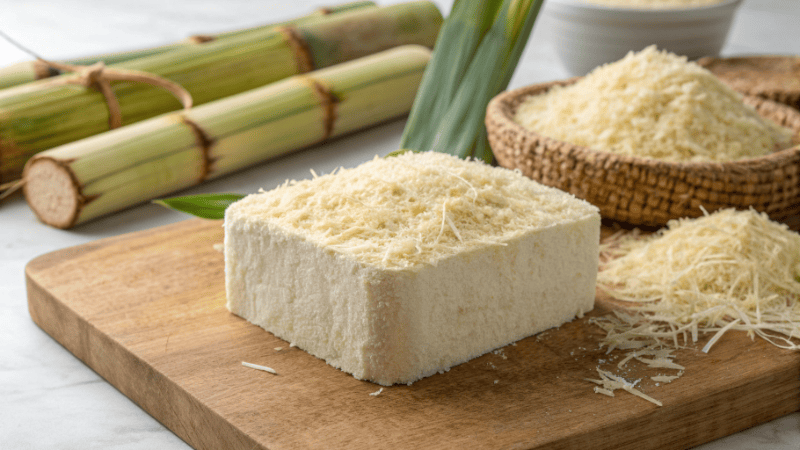
This is where the magic happens for my business and for the planet. Because sugarcane is a fast-growing grass, it's an incredibly efficient crop. After the stalks are harvested and crushed to extract the sugary juice, a huge volume of dry, fibrous material is left over. This material is called bagasse5. For many years, it was treated as waste—often burned in fields, creating air pollution. But because we recognize the value in this "grass" fiber, we can see it for what it is: a valuable, renewable resource6. It’s not just about what we take out (the sugar), but about what is left behind and how we use it.
How is this giant grass used beyond just sugar?
Most people only think of sugar when they hear sugarcane. This limited view means they're missing out on its most innovative and eco-friendly applications, which come from the part of the plant most people never see.
After the sweet juice is extracted, the leftover fibrous pulp is called bagasse5. Instead of being discarded, this 'waste' is our primary raw material. We use it to create durable, compostable, and eco-friendly tableware7 like plates, bowls, and containers.
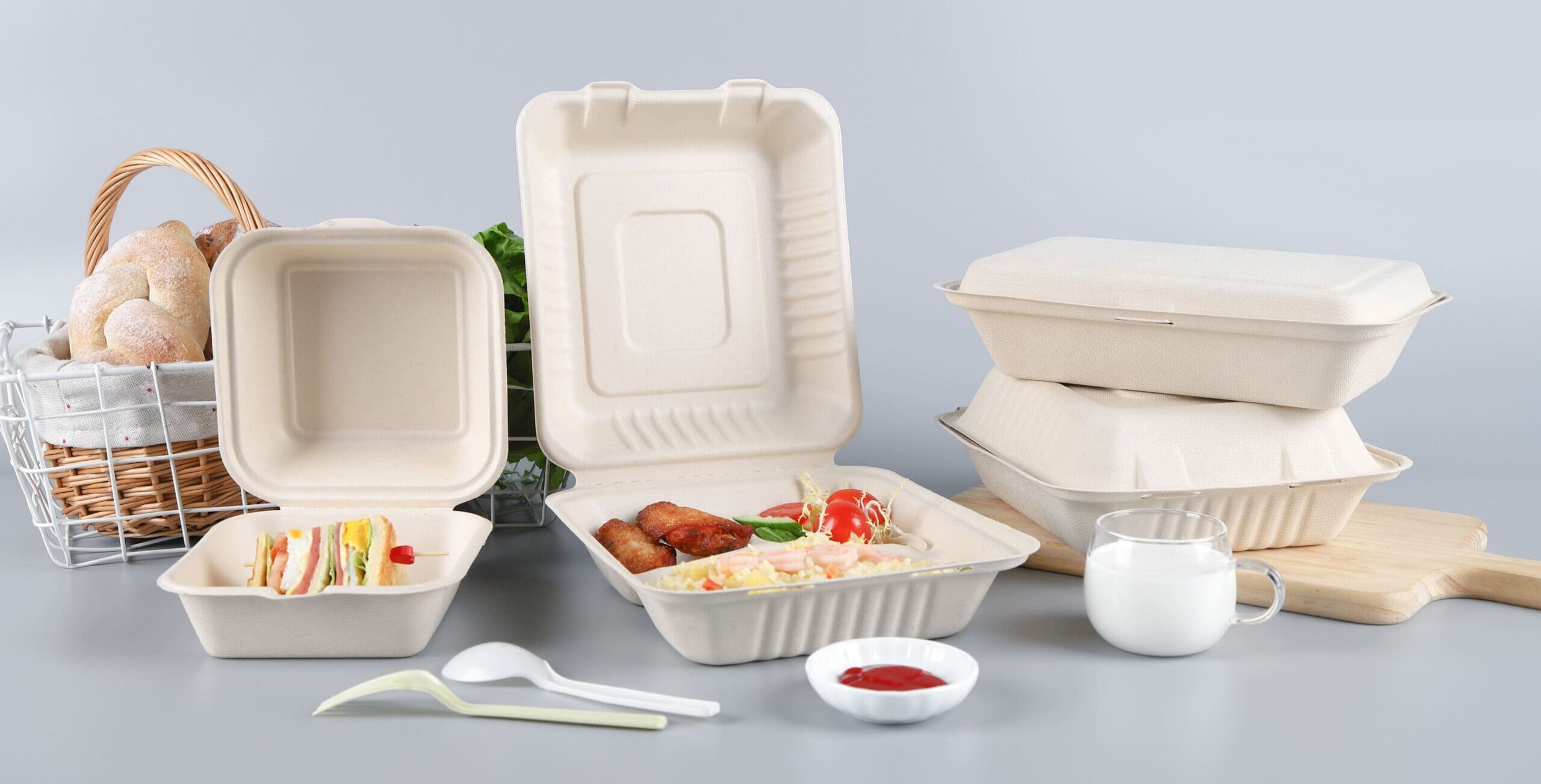
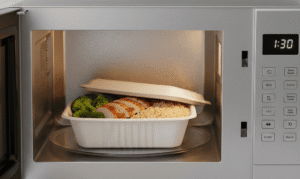
This is the "Turn Waste into Value" principle my company was built on. We take this pulpy bagasse5, which the sugar industry considers a byproduct, and give it a new purpose. The process is straightforward and clean. The bagasse5 is mixed with water to create a slurry, which is then pressed into molds using high heat and pressure. The result is strong, grease-resistant, and microwave-safe tableware8. It’s a perfect example of a circular economy9. A single crop provides a food product (sugar) and a sustainable alternative to plastic (our tableware). It all starts with recognizing that sugarcane isn't a vegetable, but a highly productive grass with potential in every fiber.
Conclusion
Sugarcane is a grass. This isn't just trivia; it's the reason it's a renewable hero, allowing us to turn the waste from sugar production10 into sustainable, everyday tableware.
Learn about perennial grasses and their importance in sustainable agriculture and crop rotation. ↩
Learn about the Poaceae family and its importance in global food production. ↩
Discover the role of sucrose in food production and its health implications. ↩
Understand the key principles of sustainability and how they apply to modern agriculture. ↩
Find out how bagasse is transformed into sustainable products and its environmental benefits. ↩
Discover what makes a resource renewable and examples that contribute to sustainability. ↩
Learn about the advantages of eco-friendly tableware and its role in reducing plastic waste. ↩
Explore how microwave-safe tableware from sugarcane is eco-friendly and sustainable, transforming waste into valuable products. ↩
Explore the concept of a circular economy and its impact on waste reduction and resource efficiency. ↩
Get insights into the sugar production process and its environmental impact. ↩