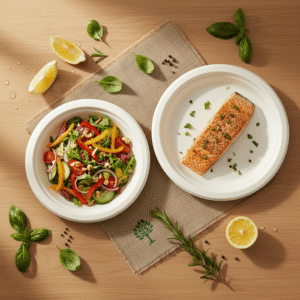
Worried about plastic pollution? Many "green" options disappoint. Bagasse, made from sugarcane, offers a strong, truly compostable solution1 for your food service needs.
Yes, bagasse2 is an excellent alternative to plastic for single-use foodware3. It's made from a renewable resource, is sturdy for hot and cold foods, and is home & commercially compostable, breaking down much faster than plastic and reducing landfill waste.
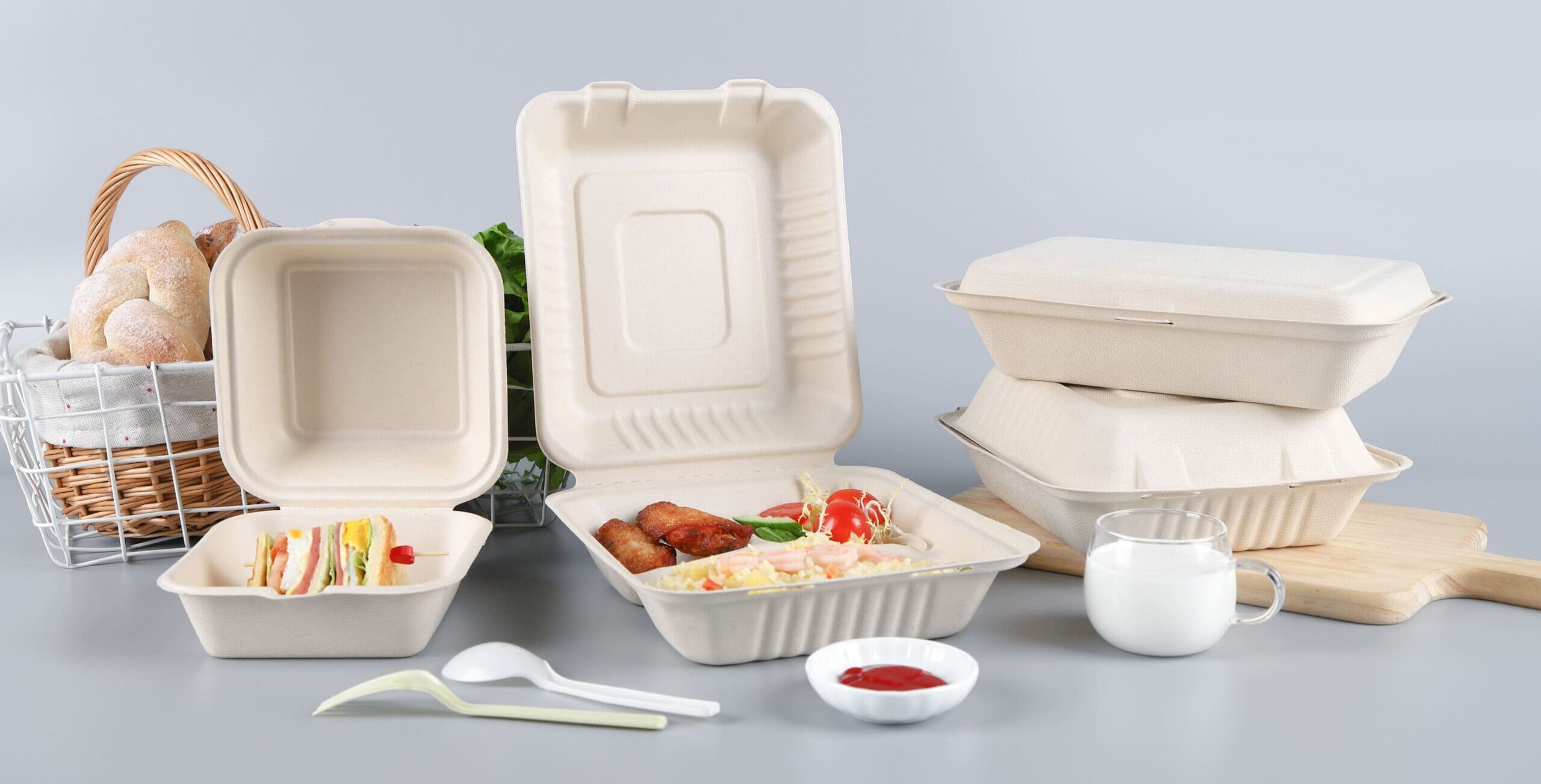
It sounds great on the surface, but like any material, there's more to the story. We've been working with bagasse2 for over ten years at Webester Eco Pack4, and we want to share what we've learned. Let's dig deeper into how it really compares to plastic and what you need to know before making the switch.
What makes bagasse so much better for the planet?
You want sustainable packaging5, but how can you be sure it's truly eco-friendly? We'll show you how bagasse's full lifecycle helps protect our environment.
Bagasse is better because it comes from a renewable plant byproduct, sugarcane pulp6. It requires less energy to produce than plastic and is fully biodegradable and compostable7, returning nutrients to the soil.
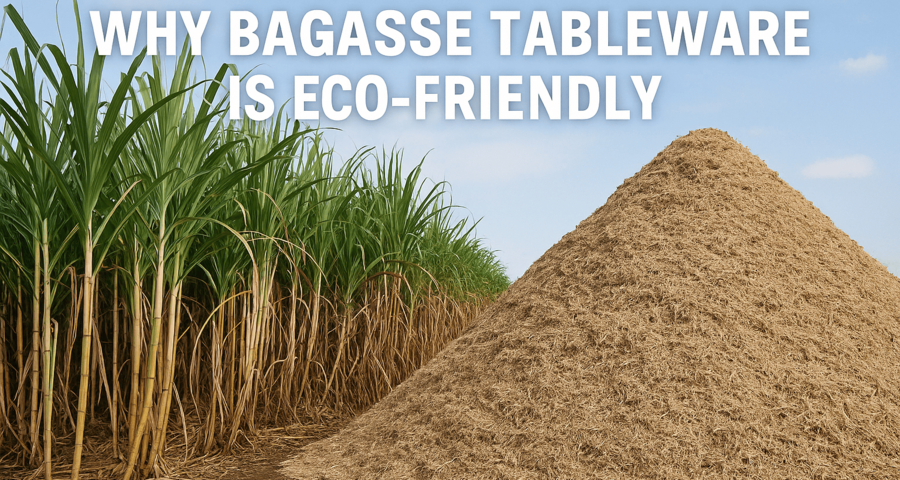
At our company, Webester Eco Pack4, our motto is "Turn Waste into Value." That’s exactly what bagasse does. It’s the dry, fibrous residue left over after sugarcane stalks are crushed to extract their juice. Instead of being discarded or burned, this agricultural waste is given a new purpose. This process has a much smaller carbon footprint8 compared to producing petroleum-based plastics. Life-cycle studies show bagasse foodware generates significantly lower greenhouse gas emissions9 than polystyrene. The biggest win, however, is its end-of-life. Unlike plastic, which can persist for hundreds of years, bagasse can break down and return to the earth. Our products hold the TÜV Austria OK Compost HOME10 certification, meaning they can even decompose in a backyard compost pile, creating nutrient-rich soil11. It’s a truly circular solution.
| Feature | Bagasse | Conventional Plastic |
|---|---|---|
| Source | Renewable (sugarcane byproduct) | Non-renewable (fossil fuels) |
| Production | Lower energy consumption | High energy consumption |
| End of Life | Biodegradable & Compostable | Persists for 400+ years |
| Carbon Footprint | Low to neutral | High |
But can bagasse tableware actually handle real-world use?
Tired of flimsy paper plates that get soggy and leak? You need disposable tableware that can handle any meal. We’ll show you why bagasse is tough enough.
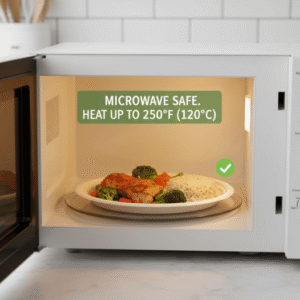
Absolutely. Bagasse foodware is surprisingly strong and durable. It’s heat-resistant, microwave-safe, freezer-safe and holds its shape with hot, cold, and even oily foods without leaking, performing better than many alternatives.
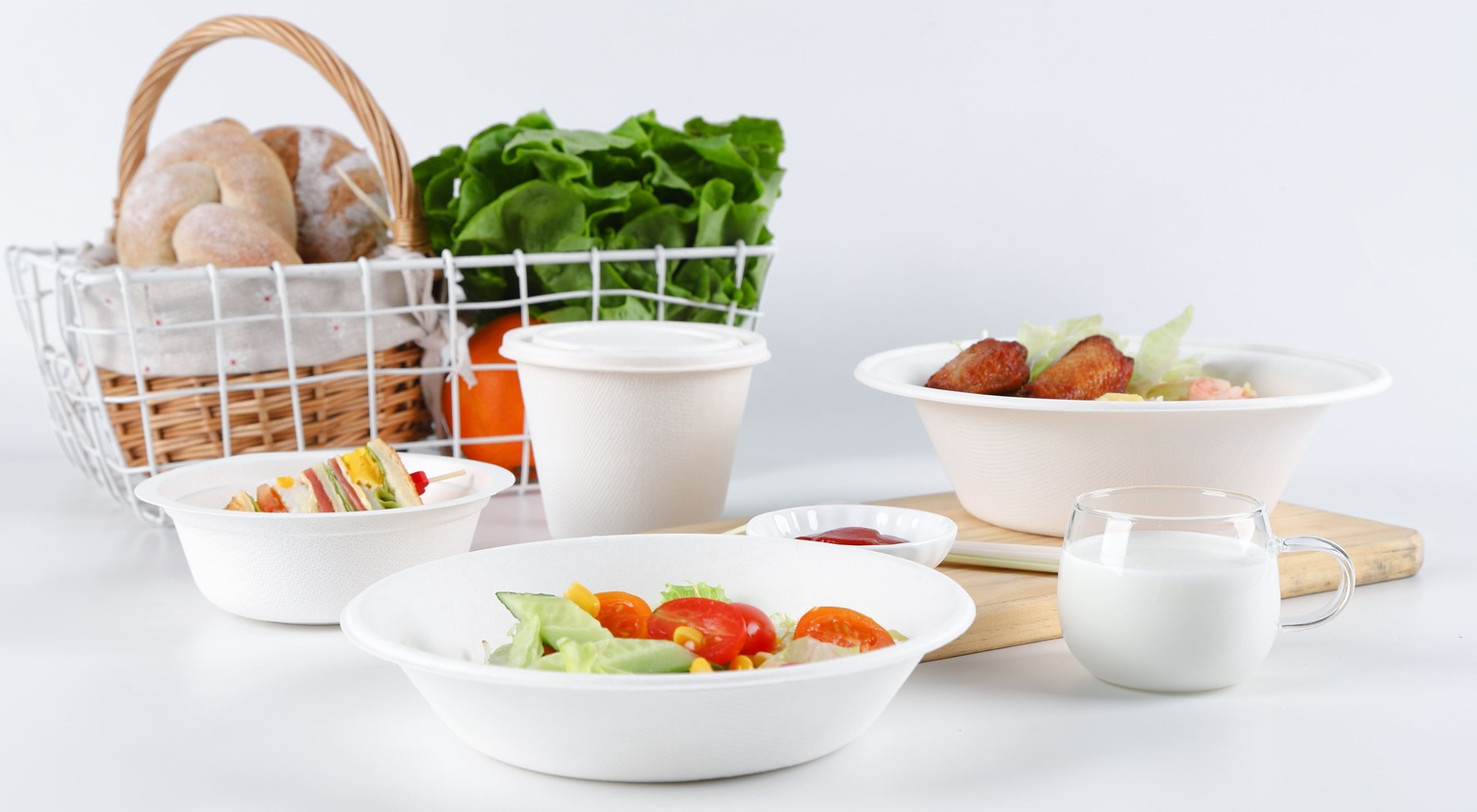
Performance is where bagasse truly shines and surprises our new customers. Based on my experience in food packaging12, I know that an eco-friendly product is useless if it doesn't work. Bagasse delivers. Its fibrous structure creates a rigid material that doesn't bend or flop, even when holding heavy meals. It handles high temperatures beautifully, making it safe for microwaves and for holding hot soups or coffee. It also provides better insulation than standard plastic, keeping hot foods hot and cold foods cold. A common concern with fiber-based products is grease and moisture resistance. In the past, some manufacturers used PFAS chemicals for this. However, we at Webester Eco Pack4 are proud to produce a full line of PFAS-free products13 that still offer good resistance to oil and water, ensuring a safe and reliable experience for your customers.
- Heat Resistant: Safe for use in the microwave and with hot liquids up to 100°C (212°F).
- Strong & Sturdy: Holds its shape and won't easily bend or break under the weight of food.
- Leak & Grease Resistant: Our PFAS-free technology prevents oils and liquids from soaking through.
- Versatile: Ideal for a wide range of foods, from hot soups and curries to cold salads and desserts.
Are there any downsides or limitations to using bagasse?
You're excited about bagasse, but you need the full picture. Hidden drawbacks can ruin a sustainable plan. Let's honestly discuss the limitations of bagasse.
Yes, there are limitations. Bagasse isn't for long-term food storage as it lacks plastic's air-tight barrier. Its main benefit requires access to home or commercial composting facilities14, as it cannot be recycled with paper.
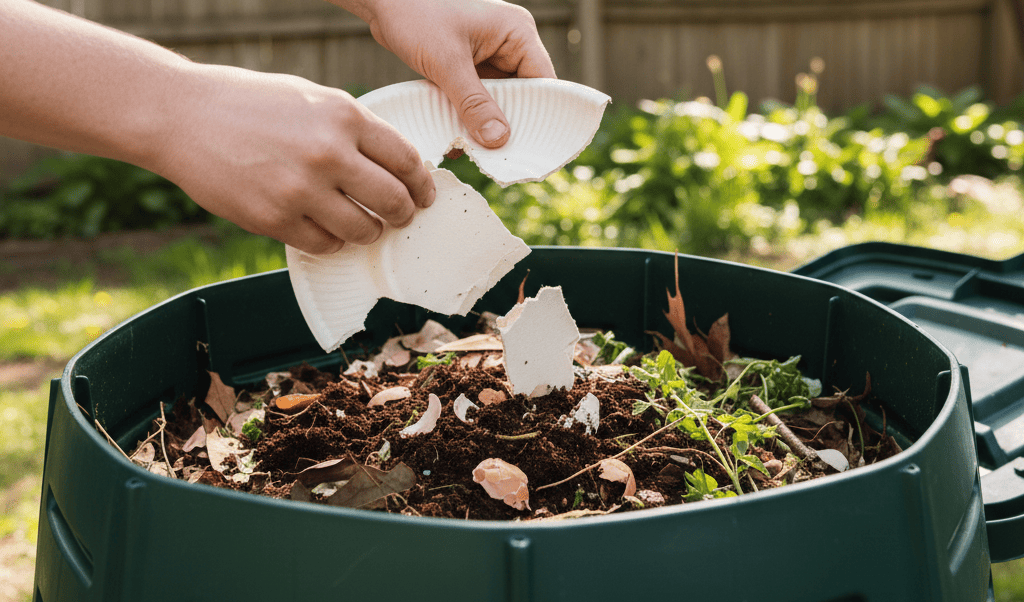
Transparency is crucial. First, it’s important to understand the ideal end-of-life for bagasse. Because of its short fibers, it can't be recycled in the traditional paper stream. To realize its environmental benefits, it must be composted. While commercial composting facilities14 are best, we made sure our products earned the TÜV Austria OK Compost HOME10 certification, so they can be composted in a home setting. If it ends up in a landfill, it will break down much faster than plastic, but the lack of oxygen means it won't create healthy soil. Second, bagasse is designed for food service, not long-term food storage. It doesn't have the same indefinite barrier properties as plastic, so it’s not meant for packaging a product that will sit on a shelf for months. It's perfect for restaurants, cafes, caterers, and events where food is served and consumed in a short timeframe.
- End-of-Life: Requires access to composting to be fully circular. Cannot be mixed with paper recycling.
- Barrier Properties: Not suitable for long-term, shelf-stable food packaging that requires an air and moisture-tight seal.
- Best Use Case: Perfect for single-use applications in food service like takeout, catering, and events.
- Appearance: Natural, off-white color may vary slightly, which is a sign of its plant-based origin.
How can you ensure a reliable supply of quality bagasse products?
You've decided on bagasse, but a bad supplier can cause delays and quality issues. You need a partner you can trust. We’ll explain how to secure your supply chain.
Choose an experienced manufacturer with a stable production process. At Webester Eco Pack4, our 10+ production lines ensure consistent quality, stable pricing, and reliable delivery for our global partners.
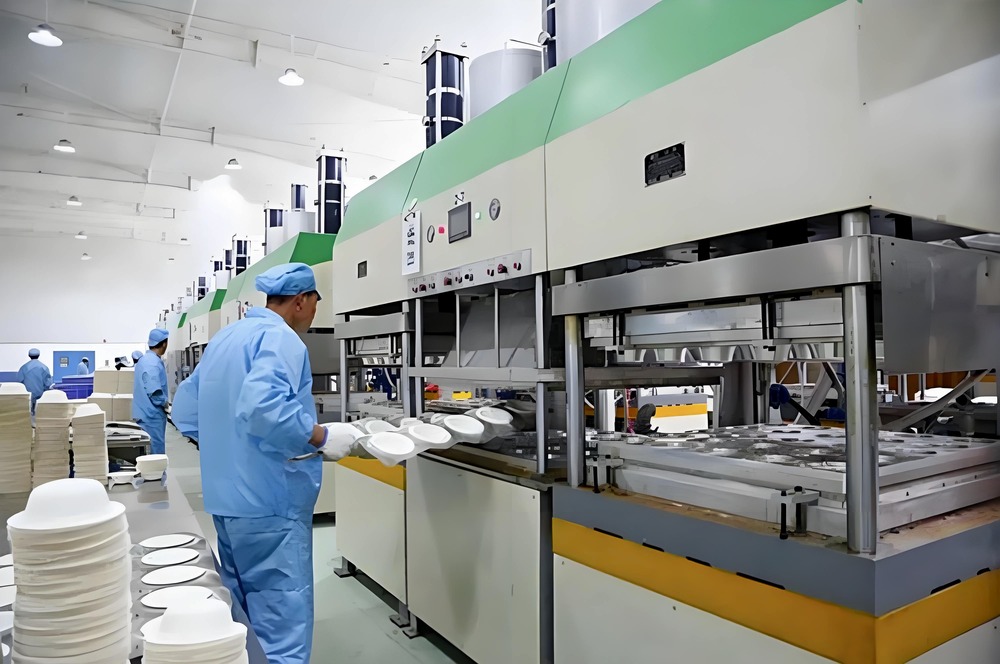
Because bagasse is an agricultural byproduct, its supply can have seasonal fluctuations. This makes choosing the right manufacturing partner absolutely critical. A strong partner can absorb these shifts and provide stability. With our own 87,000+ square meter factory and over 10 automated production lines, we have the capacity to produce over 10,000 tons annually. This scale allows us to maintain a 95% on-time delivery rate for clients worldwide, from brand owners in the US to distributors in Germany. Quality control is another key factor. We inspect everything from the raw sugarcane pulp6 to the final packaged product to ensure every container, plate, and bowl meets international standards like FDA, BPI, LFGB, OK Compost Home, BRCGS, ect. Having over 100 existing product molds means we likely have what you need for one-stop purchasing, and our experienced engineering team can quickly turn a new idea into a finished product.
| What to Look for in a Supplier | How Webester Eco Pack Delivers |
|---|---|
| Inconsistent Quality | Strict, multi-stage quality control from raw material to finished good. |
| Supply Chain Delays | 10+ automated lines, 10,000+ tons annual output, 95% on-time delivery. |
| Limited Product Options | 100+ SKUs available for one-stop shopping. |
| Slow Development | Experienced R&D and engineering teams for fast OEM/ODM turnaround. |
Conclusion
Bagasse is a fantastic, high-performing alternative to plastic. When sourced from a reliable partner, it provides a truly sustainable and practical solution for your food service packaging needs.
Learn about the criteria that define compostable packaging and how it contributes to environmental sustainability. ↩
Explore the advantages of bagasse, a sustainable alternative to plastic, and how it can benefit your food service operations. ↩
Explore the environmental impacts of single-use foodware and how alternatives like bagasse can mitigate these effects. ↩
Discover the sustainable packaging solutions offered by Webester Eco Pack and how they can meet your needs. ↩
Learn what sustainable packaging entails and how it can positively impact the environment and your brand. ↩
Discover how sugarcane pulp is transformed into eco-friendly products and its impact on reducing plastic waste. ↩
Understand the concept of compostable in packaging materials and its importance for the environment. ↩
Find out how bagasse's production and lifecycle contribute to a lower carbon footprint compared to traditional plastics. ↩
Explore the sources of greenhouse gas emissions in packaging and how sustainable options like bagasse can help reduce them. ↩
Explore this link to understand the significance of the OK Compost HOME certification for ensuring your compostable products truly break down in home composting. ↩
Explore how composting processes contribute to creating nutrient-rich soil and its benefits for agriculture. ↩
Stay updated on the latest trends in sustainable food packaging and how they can benefit your business. ↩
Learn about PFAS-free products, their significance in food safety, and how they relate to sustainable packaging. ↩
Understand the role of composting facilities in waste management and their benefits for the environment. ↩