That daily coffee in a paper cup is a simple ritual. But what if that 'paper' cup is adding more than just caffeine to your morning brew?
Most paper cups are not just paper; they have a plastic lining to prevent leaks. While approved for single use, this lining can shed microplastics1 and chemicals into hot beverages. The risk increases with heat and how long you drink.
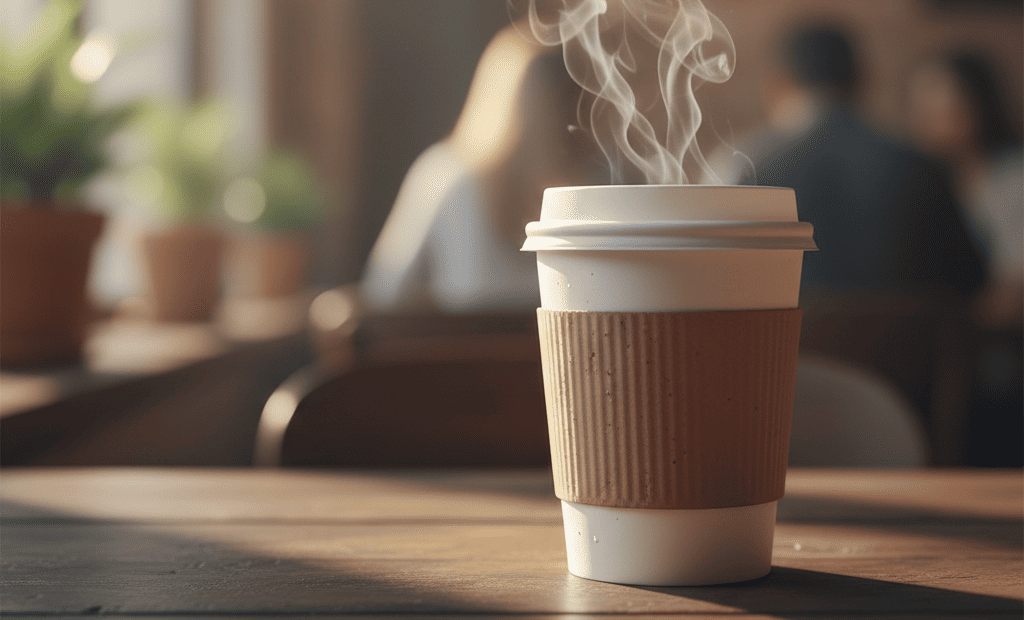
As someone in the food packaging industry2, I've seen the science behind these cups. They are an engineering marvel, but that engineering comes with compromises you should know about. They are designed for a single, specific purpose: to hold a hot liquid for a short period without failing. But the materials used to achieve this have potential downsides that are worth understanding. Let's break down what's really going on inside that cup.
Why Isn't My Paper Cup Just Paper?
You think you're choosing a simple paper product. But paper gets soggy, so how does your cup hold hot coffee for an hour without falling apart?
Nearly all paper cups are coated on the inside with a thin layer of plastic, usually polyethylene (PE)3. This plastic film makes the cup waterproof but is also the primary source of microplastics1 shed into your drink when heated.
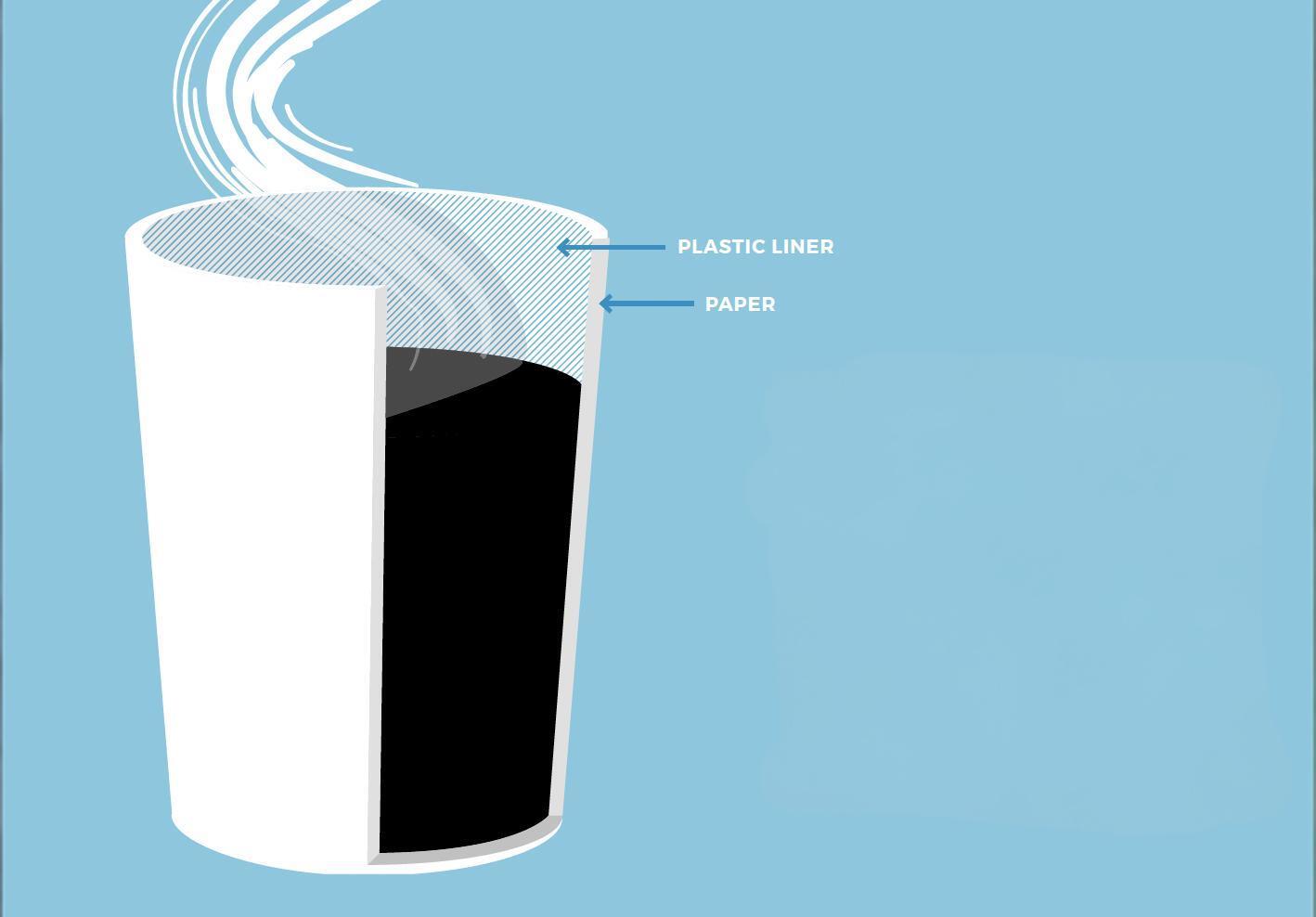
That inner layer is the secret to the cup's performance, but it's also the source of the main safety concern. Without it, hot coffee would turn the cup into a pulpy mess in minutes. The most common lining is polyethylene (PE)3, the same plastic used for grocery bags. When you pour hot coffee into the cup, the heat and acidic liquid can start to degrade this plastic lining on a microscopic level4. Studies have shown that a single hot beverage can release billions of microplastic particles into your drink. The hotter the liquid and the longer it sits in the cup, the more particles are released. It’s an unavoidable consequence of putting hot liquid in a plastic-lined container.
- Polyethylene (PE): The most common lining. It is a petroleum-based plastic that is effective but is a known source of microplastics1 when heated.
- Polylactic Acid (PLA): A bioplastic made from plant sources like cornstarch. While compostable, it is still a plastic that can shed microplastics1 when exposed to heat.
- Water-Based Coatings: This is a newer, emerging technology that aims to provide a waterproof barrier without using a plastic film, reducing the risk of microplastic shedding.
What Hidden Chemicals Could Be in Your Cup?
You've avoided plastic bottles, but are you just drinking chemicals from a different container? The invisible additives in paper cups are a growing concern for many people.
Beyond the plastic lining, some cups historically used PFAS chemicals5 for extra water and grease resistance. These 'forever chemicals' can leach into your drink, and many health authorities6 are now restricting their use.
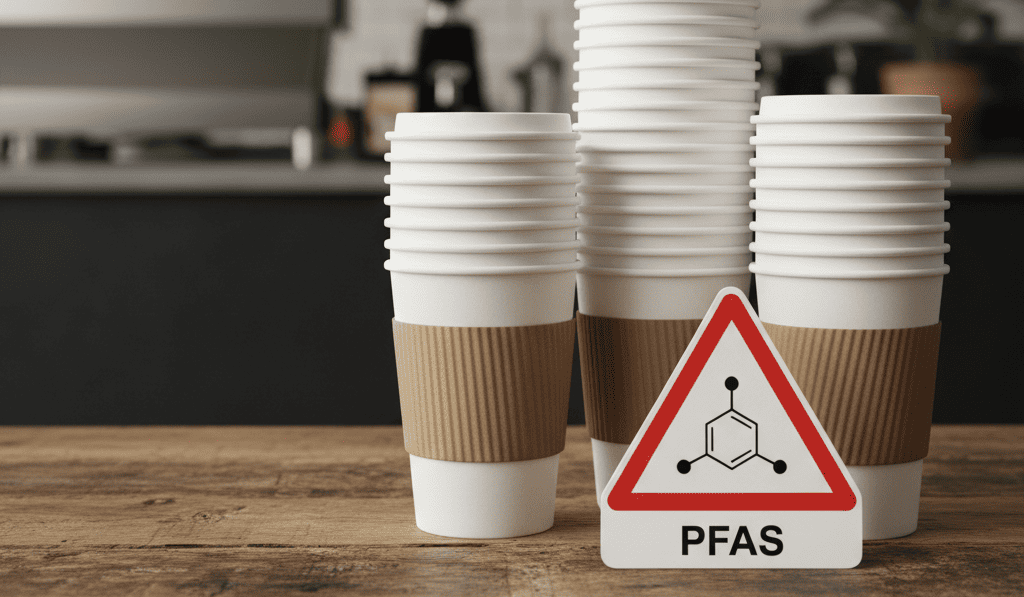
The concern goes beyond microplastics1 to the chemical additives7 used in manufacturing. PFAS (per- and polyfluoroalkyl substances) are a class of chemicals that were very effective at preventing paper from getting soggy or stained by oil. However, they are also known as "forever chemicals" because they do not break down in the environment or in our bodies. They have been linked to a variety of health problems8. The good news is that the industry is rapidly moving away from PFAS due to regulations and consumer demand. As a manufacturer, we at Webester Eco Pack only produce 100% PFAS-free items. When choosing a disposable cup9, you should always look for a brand that explicitly guarantees its products are PFAS-free.
| Feature | Cups with PFAS | PFAS-Free Cups |
|---|---|---|
| Water Resistance | Excellent | Good (uses safer alternative chemistries) |
| Health Risk | Potential for "forever chemical" migration | Significantly lower chemical exposure risk |
| Regulation | Increasingly restricted or banned | The preferred and responsible standard |
Is the Lid More Dangerous Than the Cup?
You focus on the cup, but what about the lid your mouth touches with every sip? That piece of plastic might be the weakest link in the safety chain10.
It can be. Lids made from polystyrene (PS, #6 plastic) can leach styrene, a potential carcinogen, into hot or fatty drinks. Lids made from polypropylene (PP, #5 plastic) are generally considered a much safer choice.
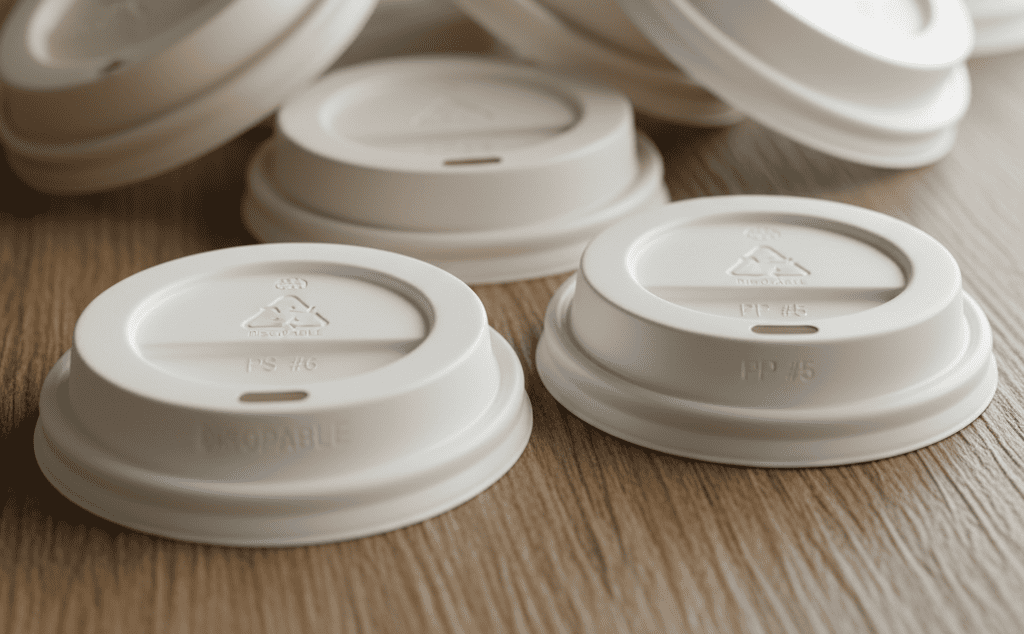
The lid is in direct contact with the hot steam from your coffee and often the beverage itself. This makes its material type extremely important. You can usually find out what a lid is made of by looking for the small recycling triangle with a number inside. Lids made from #6 plastic, Polystyrene (PS), are a particular concern because the material is not very stable at high temperatures and can release styrene. Lids made from #5 plastic, Polypropylene (PP), are a much better option. PP has a higher melting point and is far more stable when in contact with hot liquids, which is why it's the same plastic often used for microwave-safe food containers.
- Check the Number: Always look for the #5 (PP) symbol on the lid.
- Avoid #6 (PS): If you see a #6 on the lid, it is best to remove it before drinking.
- Beware Black Plastic: Many black plastic lids are made from recycled electronic waste and are not only hard to identify but may contain other contaminants. It's often safer to stick to white or translucent lids.
How Can You Reduce Your Risk?
Knowing the risks is overwhelming. You just want a safe cup of coffee. Thankfully, there are simple, practical steps you can take every day to protect yourself.
The best option is to use a reusable cup11 made of glass or stainless steel. If using a disposable cup9, drink it quickly, avoid reheating it, and discard any cup that looks damaged.
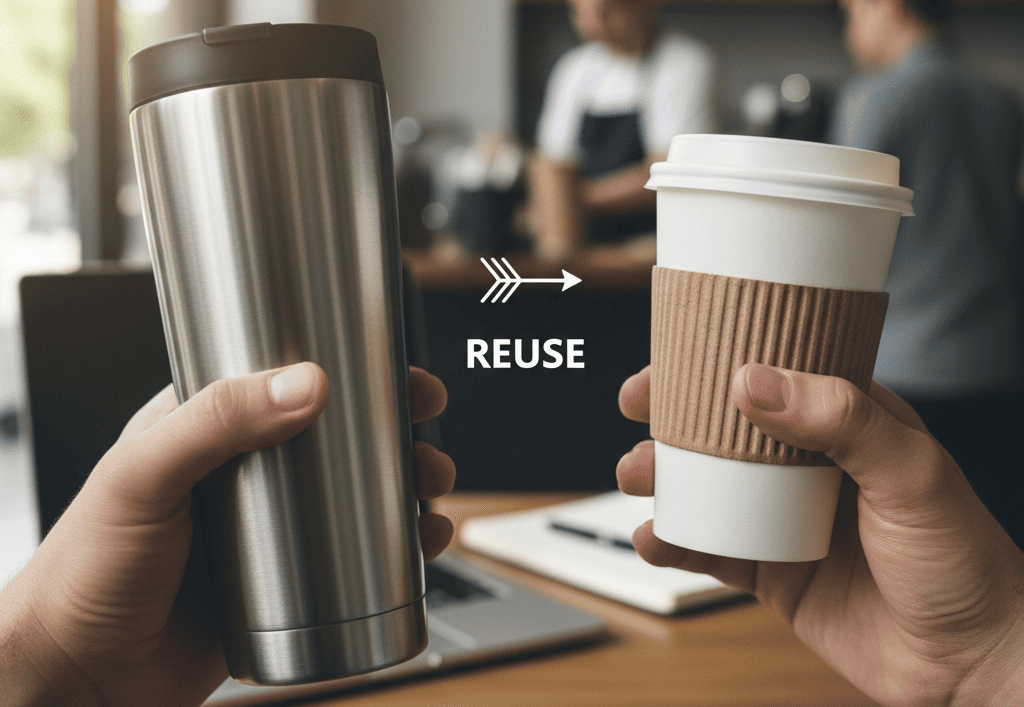
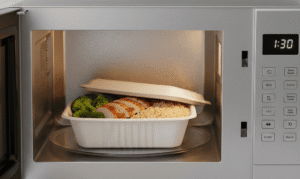
The ultimate solution is simple: opt out of disposables altogether. A high-quality tumbler made of food-grade stainless steel or glass completely eliminates concerns about microplastics1 and chemical leaching from linings and lids. It's the safest choice, hands down. However, sometimes a disposable cup9 is unavoidable. On those days, there are a few rules I follow to minimize my risk. I treat the cup as a temporary holder, not a permanent vessel. I drink my coffee relatively quickly to reduce the contact time between the hot liquid and the plastic lining. And I would never, ever reheat a coffee in a paper cup in the microwave. This dramatically accelerates the breakdown of the lining.
| Risk Level | Action |
|---|---|
| Lowest | Use a reusable glass or stainless steel cup. |
| Lower | Use a certified PFAS-free disposable cup9 with a PP (#5) lid; drink quickly. |
| Higher | Use a generic cup of unknown origin; let it sit for a long time. |
| Highest | Reheating a disposable cup9 in the microwave or reusing it. |
Conclusion
Paper cups aren't just paper. For ultimate safety, switch to a reusable glass or steel cup. If you must use a disposable, choose wisely and drink quickly to minimize your risk.
Understanding microplastics is crucial for health awareness, as they can impact your well-being. ↩
Discover innovations and safety measures in the food packaging sector. ↩
Learn about polyethylene's role in packaging and its environmental consequences. ↩
Explore the science behind material degradation and its implications. ↩
Discover the dangers of PFAS chemicals and their long-term health effects. ↩
Stay informed on health regulations regarding food safety and chemical exposure. ↩
Learn about the hidden chemicals in food packaging and their health implications. ↩
Learn about the serious health risks associated with PFAS chemicals. ↩
Understand the potential hazards of using disposable cups for beverages. ↩
Understand the importance of safety measures in food packaging. ↩
Explore the environmental and health benefits of switching to reusable cups. ↩