Serving inconsistent soup portions can hurt your profits. It leaves customers confused and your kitchen struggling. Understanding standard bowl sizes is the key to fixing this.
A standard soup bowl1 holds between 12 and 16 fluid ounces2. Smaller appetizer3 sizes are often around 7 to 9 oz, offering precise portioning. Larger bowls for main dishes like ramen can go from 24 to 32 oz. The right size depends on the soup and meal type.
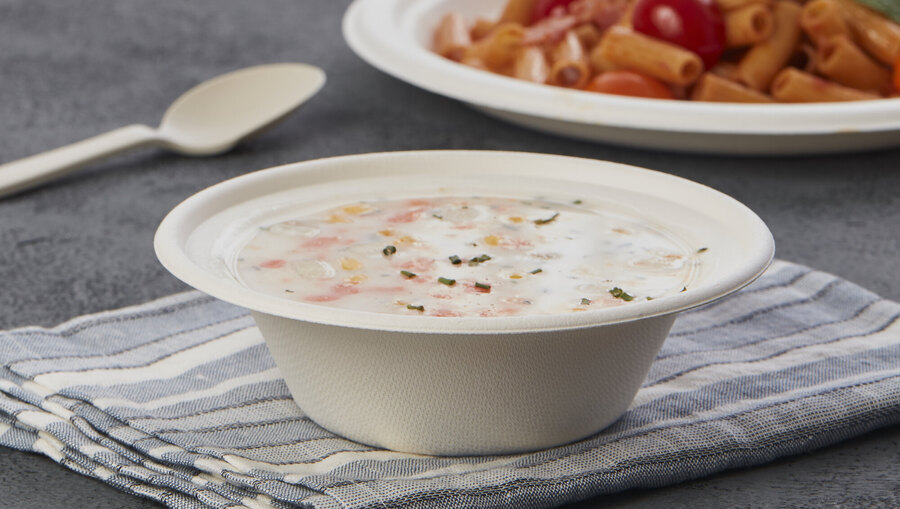
But getting the size right is about more than just numbers. The type of soup you serve, the bowl's material, and whether a customer is dining in or taking it to go all make a huge difference. I've spent many years in this industry, and I've seen how these details can make or break a menu. Let's break it down so you can serve the perfect portion every time.
Do All Soups Use the Same Bowl Size?
Ever tried serving a thick, hearty stew in a small, deep bowl? It’s awkward to eat. Serving soup in the wrong bowl can frustrate customers and make a great dish feel wrong.
No, different soups need different bowls. Thick, chunky soups are best in wider, shallower bowls, usually 12-18 oz. Light broths and smooth soups work well in smaller, deeper bowls around 7-12 oz. The meal type—appetizer, main course, or side—also decides the size.
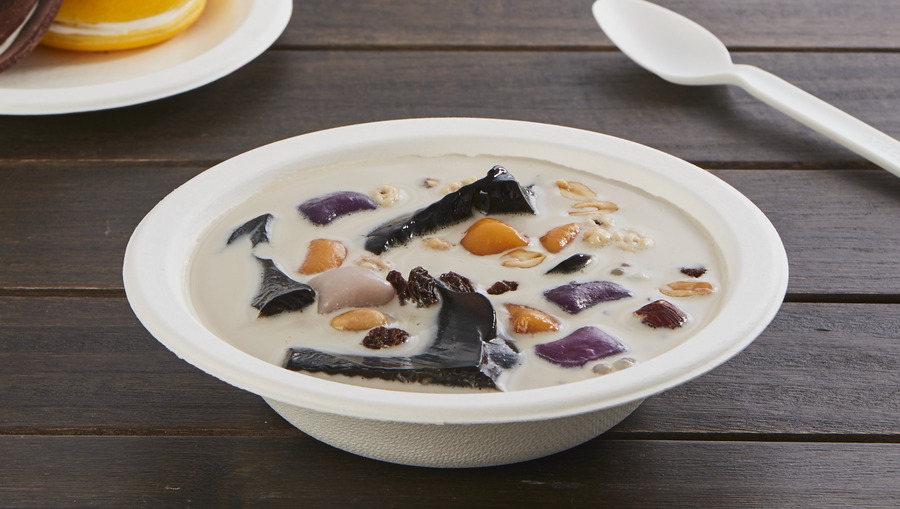
I've learned that the container is part of the meal's experience. A client of mine once wanted a single "one-size-fits-all" bowl for their entire menu. We walked them through how having specific sizes could improve their business. We suggested a 7 oz bowl for their light appetizer soup and a 16 oz wide bowl for their main course beef stew. This simple change not only improved the dining experience4 but also made their main courses look more appealing, which boosted sales.
Soup Consistency Matters
The texture of your soup is the first thing to consider. You can group most soups into two simple categories.
- Light Soups: These are smooth broths like chicken noodle or tomato soup. A deeper, narrower bowl works best because it helps keep the soup warm. A 7 oz to 12 oz bowl is usually perfect, with 7 oz for a light taste and 9 oz for a more substantial starter.
- Rich Soups: These are thick, hearty meals like clam chowder or beef stew. A wide, shallow bowl is better here because it lets the ingredients spread out and cool slightly. A 12, 14, 16, or even 18 oz bowl is a great size for a main course.
Meal Type Determines the Portion
Where the soup fits on your menu is just as important. Having a range of sizes allows you to be very precise with your portions and costs.
| Meal Type | Recommended Size (fl oz) | Common Use Case |
|---|---|---|
| Light Appetizer | 7 oz | A small, elegant starter before the main meal |
| Hearty Side | 9 oz / 12 oz | Served alongside a sandwich or salad |
| Main Course | 14, 16, 18 oz | A full, satisfying meal on its own |
| Large Entree | 24, 25, 32 oz | Generous servings for ramen, pho, or family style |
Thinking about these two factors—consistency and meal type5—will help you choose the right bowl size every time. It ensures your food is presented well and your customers are satisfied.
How Does a Bowl's Material Affect its Use?
Are you worried your takeout bowls6 will get soggy or melt with hot soup? Choosing the wrong material is a recipe for disaster. It leads to leaks, unhappy customers, and a bad reputation.
The material defines the bowl's function. Ceramic is heavy and great for dine-in but impractical for takeout. At our company, Webester Eco Pack7, we specialize in sugarcane bagasse8—it's sturdy, microwave-safe, eco-friendly, and perfect for hot soups in all our sizes from 7 oz to 32 oz.
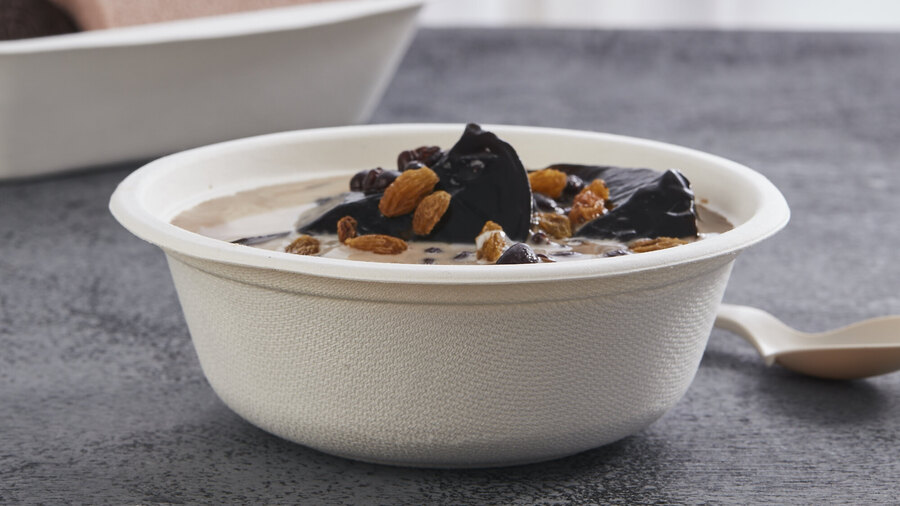
For years, I saw restaurants struggle with packaging that couldn't handle their food. Plastic containers would warp, and paper bowls would leak. That's why we committed to making a better solution. Our mission is to "Turn Waste into Value" by using bagasse, a byproduct of sugar production. It creates strong, reliable bowls that are also fully compostable, helping our clients meet their sustainability goals without compromising quality.
Dine-in vs. Takeaway Materials
The needs for dine-in and takeaway are completely different. For dine-in, you want something that feels premium. For takeaway, you need something lightweight, stackable, and leak-proof. But not all disposables are created equal. Many plastic options can't handle high heat and are bad for the environment.
The Sustainable Solution: Sugarcane Bagasse
This is where bagasse truly shines. It’s a natural fiber that is strong and durable. Our bowls can handle boiling hot soup without getting weak or leaking. They are also microwave and freezer safe. This gives restaurant owners the flexibility they need. Most importantly, they are home compostable, which helps reduce landfill waste.
Here’s a simple breakdown of how materials compare:
| Material | Heat Resistance | Eco-Friendly | Best Use Case |
|---|---|---|---|
| Ceramic | Excellent | Reusable | Dine-In |
| Plastic (PP) | Good | No | Takeaway (low cost) |
| Paper | Fair | Better | Takeaway (risk of leaks) |
| Bagasse | Excellent | Yes | Takeaway, Eco-Restaurants |
Our products are certified by BPI9, FDA, and OK Compost HOME10, so you can trust they are safe and truly sustainable. Choosing the right material is a big decision, and bagasse offers the best of both worlds: performance and sustainability.
What Are the Standard Soup Sizes in the Foodservice Industry?
Are you confused by your competitors' pricing and portions? Not knowing the industry standards can make your menu seem either overpriced or cheap. This uncertainty can cost you customers.
While many restaurants use a "cup" of around 8 oz, the trend is moving towards more precise portioning. Offering sizes like 7 oz and 9 oz allows you to perfectly price a light appetizer versus a more substantial side soup, giving you better cost control.
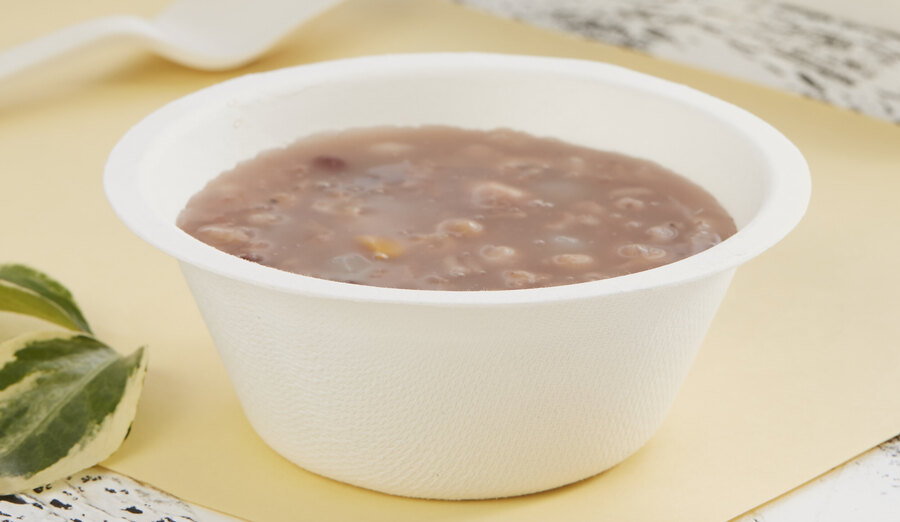
When I work with new restaurant owners, I highlight this advantage. While the simple "cup and bowl" system is common, it's not always the most profitable. By using our 7 oz and 9 oz bowls, they can create different price points for their starters. This simple change gives customers more choice and helps the restaurant maximize its profit on every sale. It's a smarter way to do business.
The Appetizer/Side 'Cup' (7-9 oz)
This is where precision really pays off. Instead of a single "cup" size, you can offer two distinct options:
- The 7 oz Cup: This is the perfect size for a light, elegant appetizer. It's a great way to let customers sample a soup without filling them up before the main course.
- The 9 oz Cup: This is a more generous portion, ideal as a side dish with a sandwich or salad. It feels more substantial and justifies a slightly higher price point.
The Main Course 'Bowl' (12-18 oz)
This range gives you incredible flexibility for your main courses. It's not a one-size-fits-all approach.
- 12 and 14 oz: Perfect for lunch specials or lighter main-course soups.
- 16 and 18 oz: These are generous, hearty portions for dinner menus or for your signature stews and chowders. They present a high value to the customer.
For takeout and delivery, having a full range from 7 oz cups to 32 oz entree bowls, all with secure matching lids, is a huge advantage. It provides a complete, reliable packaging solution for your entire menu.
How Do You Accurately Measure Soup for Perfect Portions?
Eyeballing soup portions seems fast, but it leads to inconsistent servings and wasted money. One customer gets a watery bowl while another gets all the good stuff. There's a much better way to manage your servings.
For perfect portions, always measure soup by volume using fluid ounces2 (fl oz), not by weight. A fluid ounce measures the space the liquid takes up. This guarantees every customer gets the same amount of soup, whether it's a light broth or a chunky stew.
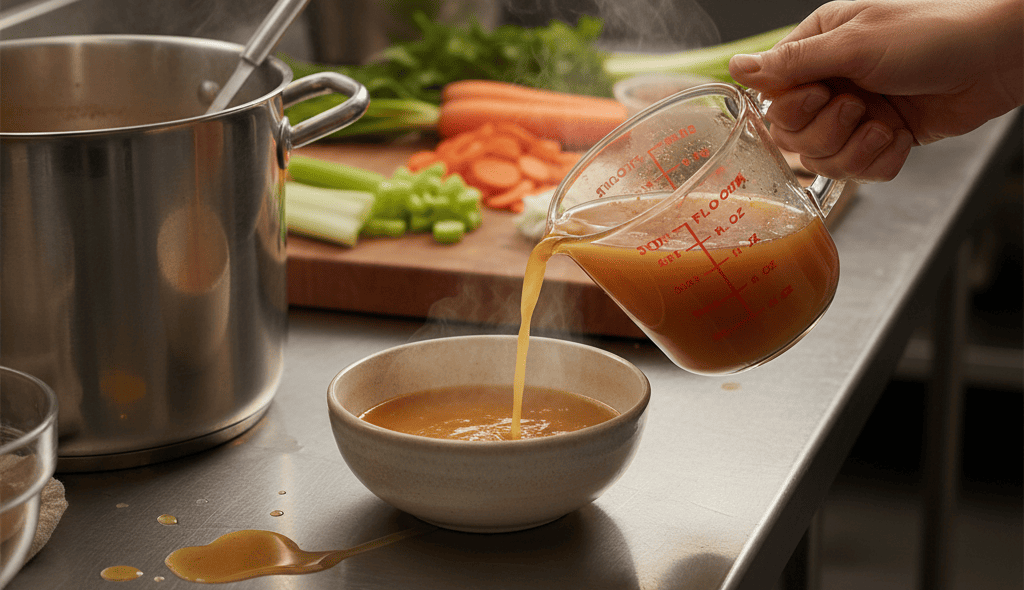
I’ve seen kitchens lose a surprising amount of money from over-portioning. A little extra in each bowl adds up fast. I always tell our partners that the key to cost control is consistency. That starts with using the right tool and the right unit of measurement. A simple ladle marked with fluid ounces2 or a standard measuring cup is your best friend in the kitchen. It’s a small change that makes a huge impact on your bottom line and customer satisfaction.
Volume vs. Weight: Why It Matters
It's easy to get confused between volume and weight, especially because both can be measured in "ounces." But they are very different.
- Volume (Fluid Ounces): This measures how much space something occupies. It's the best way to ensure consistent serving sizes for liquids.
- Weight (Ounces): This measures how heavy something is. A cup of thick stew will weigh more than a cup of clear broth. If you portion by weight, some customers will get more food than others.
A Quick Conversion Guide for Your Kitchen
Most kitchens in the U.S. use cups and fluid ounces2. Having a simple conversion chart handy can help your team stay consistent, especially if you use recipes from different sources.
| Cups (US) | Fluid Ounces (fl oz) | Milliliters (mL) |
|---|---|---|
| ~7/8 cup | 7 fl oz | 207 mL |
| ~1 1/8 cup | 9 fl oz | 266 mL |
| 1 ½ cups | 12 fl oz | 354 mL |
| 2 cups | 16 fl oz | 473 mL |
| 4 cups | 32 fl oz | 950 mL |
Training your staff to use ladles of a specific size (e.g., a 7 oz or 9 oz ladle for your "cup" sizes) is the easiest way to enforce portion control. It removes the guesswork and ensures every bowl that leaves your kitchen is perfect.
Conclusion
Choosing the right soup bowl size, from 7 oz to 32 oz, is vital for profit and customer happiness. Focus on volume, soup type, and the right material for success.
Understanding standard bowl sizes can help you serve consistent portions and improve customer satisfaction. ↩
Understanding fluid ounces is crucial for accurate portioning, ensuring consistency and customer satisfaction in your restaurant. ↩
Discover the ideal sizes for appetizer soups to create a better dining experience. ↩
Discover how the right bowl size can enhance the overall dining experience for your customers. ↩
Understanding meal types can help you optimize your menu and portion sizes effectively. ↩
Learn how to select the right takeout bowls to ensure quality and customer satisfaction. ↩
Explore Webester Eco Pack to discover their innovative, eco-friendly packaging solutions that enhance sustainability in the foodservice industry. ↩
Explore the advantages of sugarcane bagasse as an eco-friendly and durable option for soup bowls. ↩
Explore this link to understand BPI certification, ensuring your eco-friendly products meet industry standards for compostability. ↩
Explore this link to understand how OK Compost certification ensures your products are truly compostable and environmentally friendly. ↩