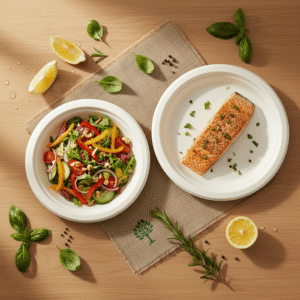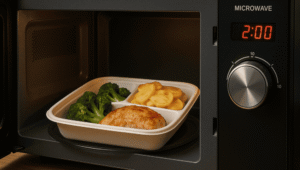
We read ingredient labels to avoid unhealthy additives. But what about the container itself? The real danger might be invisible particles shed from the packaging your food comes in.
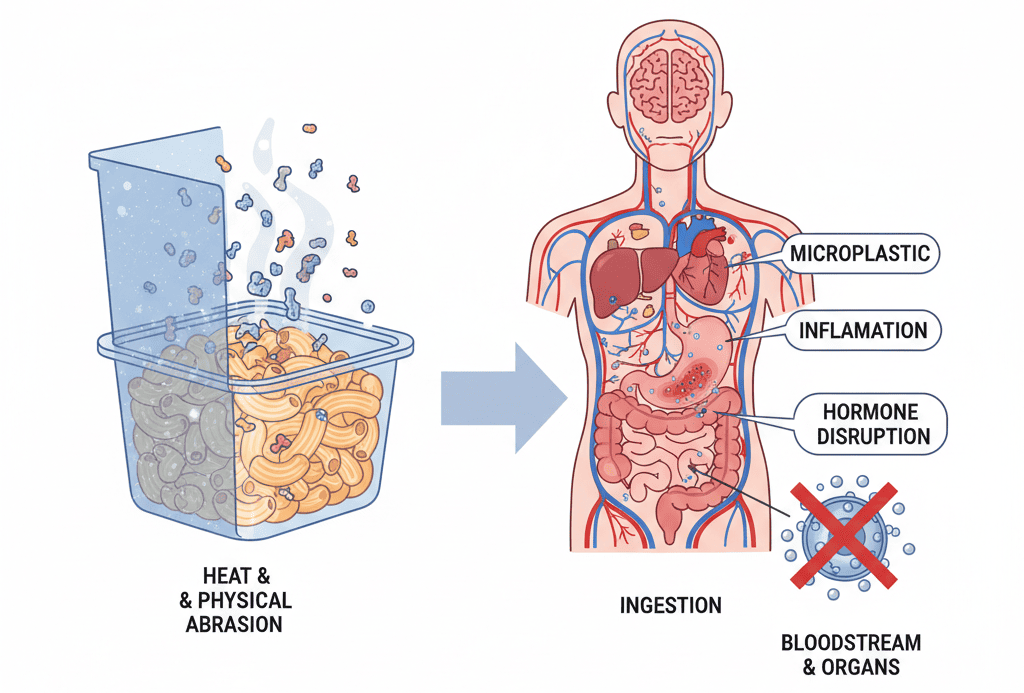
Microplastics1 enter our food from packaging through heat and physical abrasion. Once ingested, these particles are linked to inflammation2 and may disrupt hormones3, with the smallest nanoplastics4 capable of entering our bloodstream and organs, posing a significant, emerging health risk.
As someone in the food packaging industry, this topic is my biggest concern. The convenience of plastic has blinded us to the potential harm it causes once it's in our kitchens. It's not just an environmental issue5; it's a human health6 issue. We need to understand exactly how this happens and what the science says about the risks to our bodies.
How Do Everyday Actions Release Microplastics Into Our Meals?
You microwave a meal in a plastic tray or twist open a water bottle without a second thought. But are these simple, daily habits introducing a stream of plastic particles into your body?
Yes. Everyday actions are major sources of contamination. Heating plastic in a microwave, steeping a plastic teabag, or even twisting a bottle cap creates friction and heat that cause millions of tiny plastic particles to break off and fall directly into your food and drink.
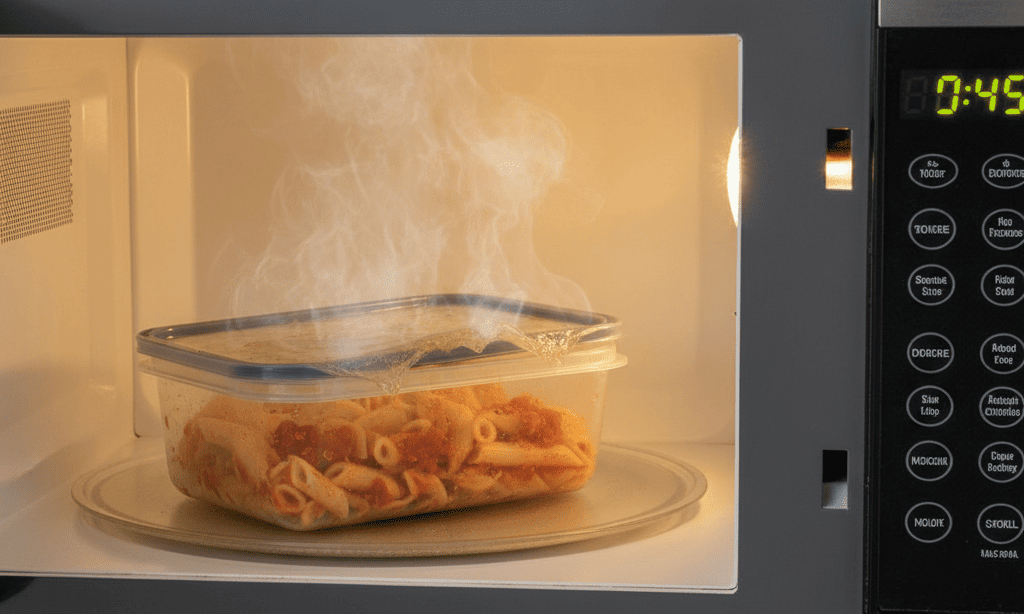
The science on this is shockingly clear. I was particularly struck by a study on infant feeding bottles. When parents follow standard guidelines to sterilize polypropylene7 (PP) bottles with hot water and shake them to mix formula, the heat and abrasion8 can cause babies to ingest over a million microplastic particles per day. This isn't a rare or accidental exposure; it's a predictable outcome of using plastic with heat. This same principle applies to many adult habits, turning our convenient lifestyle into a constant source of microplastic ingestion.
- Heat is the biggest trigger: Microwaving food, pouring hot coffee into a lined cup, or steeping a "silken" plastic teabag causes the plastic to degrade rapidly, releasing massive quantities of particles.
- Friction causes abrasion: Simply twisting a bottle cap, cutting food on a takeout container, or the vibration of packaging9 during shipping grinds away at the plastic, creating particles that contaminate the contents.
- Time and Food Type Matter: The longer food sits in a plastic container, the more particles can migrate. This effect is worse for fatty or acidic foods, which can break down the plastic faster.
Are "Eco-Friendly" Lined Paper Cups Also a Source of Microplastics?
You feel good choosing a paper cup for your coffee, thinking you've avoided plastic. But is that paper cup really as plastic-free and safe as you believe it is?
No, they are a hidden source of contamination. To be waterproof, nearly all paper cups and food bowls are lined with a thin layer of plastic (like PE or PLA10). When filled with hot liquid, this lining can release trillions of microplastic particles into your drink.
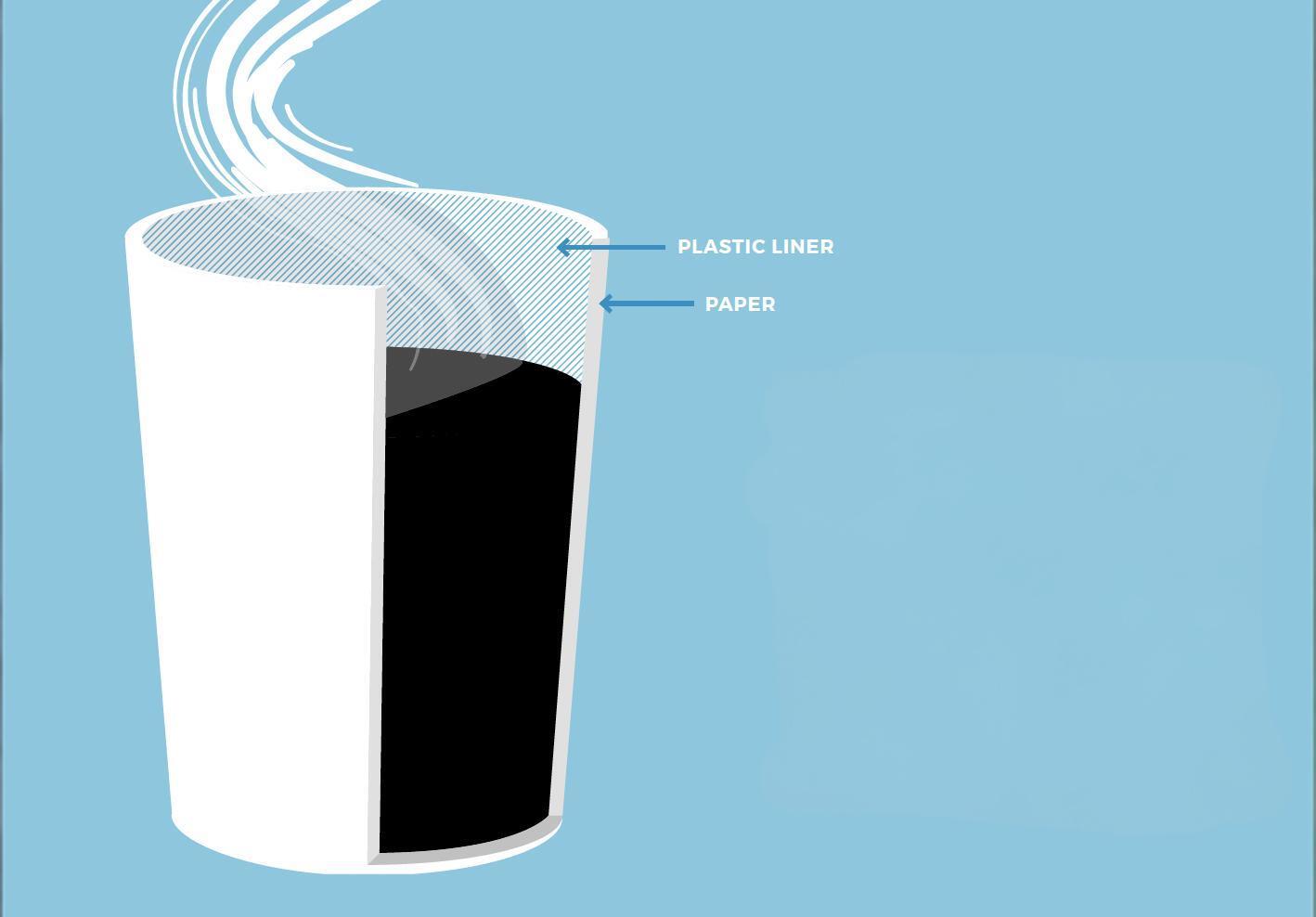
This is one of the most misleading aspects of modern food packaging. I've had to explain to many clients that "paper" doesn't mean "plastic-free." That waterproof lining is essential to keep the cup from turning to mush, but it's also a polymer film. A study published in the Journal of Hazardous Materials found that a hot beverage in one of these cups could contain up to 75,000 plastic particles after just 15 minutes. Even "compostable" PLA10-lined cups have the same issue. The term "compostable" only refers to its end-of-life disposal, not its safety during use. It's still a plastic that can shed particles when heated.
| Common Packaging | The Perception | The Reality |
|---|---|---|
| Paper Coffee Cup | Eco-friendly, paper-based | Lined with PE plastic that sheds into hot drinks. |
| PLA "Compostable" Cup | Plant-based, better for Earth | Still a plastic polymer that releases particles when heated. |
| Bagasse (Sugarcane) Cup | Naturally water-resistant | Made from pure fiber; no plastic liner needed, no particles to shed. |
What Do Microplastics Actually Do Inside Our Bodies?
So we've established that we are all likely consuming microplastics. The critical question is, what happens next? Do they just pass through, or can they cause real harm inside our bodies?
The smallest particles, called nanoplastics4, are believed to cross from our gut into the bloodstream. Animal studies show they can accumulate in organs like the liver and kidneys and are linked to inflammation2, oxidative stress, and endocrine (hormone) disruption.
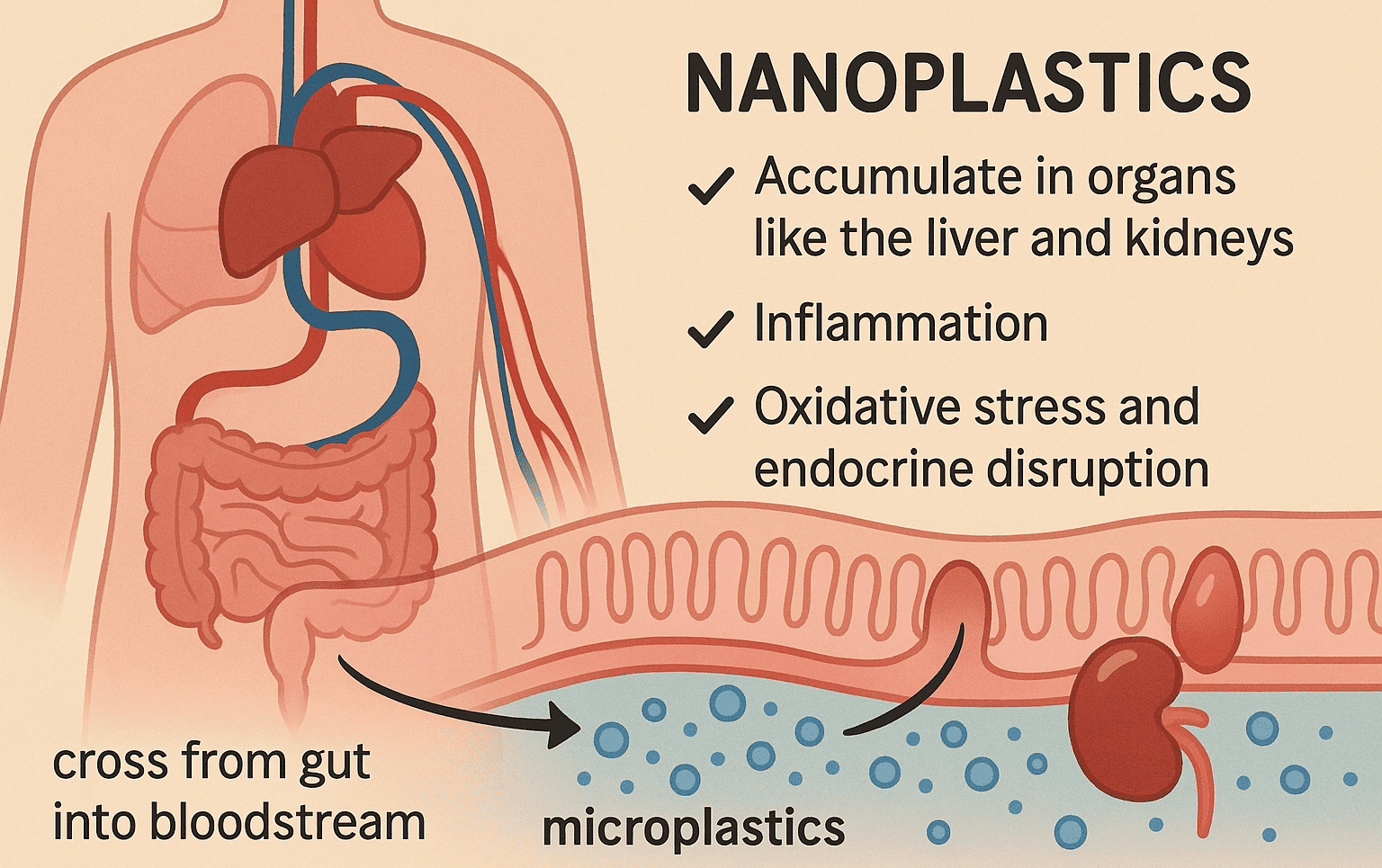
This is where the research becomes deeply concerning. While our bodies can excrete many of the larger microplastics, the tiniest fragments behave differently. Think of it like sand versus dust in the air; the dust is what gets deep into your lungs. Similarly, nanoplastics4 are small enough to pass through the intestinal wall and travel throughout the body. Once there, the body treats them as foreign invaders. This can trigger a chronic, low-grade immune response, leading to inflammation2. The chemical additives11 found in plastics, which can also leach out, are known endocrine disruptors that can interfere with our body's delicate hormonal balance. While the full long-term effects in humans are still being studied, the foundational evidence from animal models points toward a serious risk.
Have Scientists Found Microplastics in Humans, and Is It a Serious Risk?
For years, the risk was theoretical, based on animal studies. But has that changed? Have we found concrete proof of microplastics inside people, and can we link it to actual health problems?
Yes. In recent years, scientists have detected microplastics in human blood, the placenta, and even lodged in the plaque clogging our arteries. A major study linked the presence of microplastics in arterial plaques12 to a much higher risk of heart attack, stroke, and death.
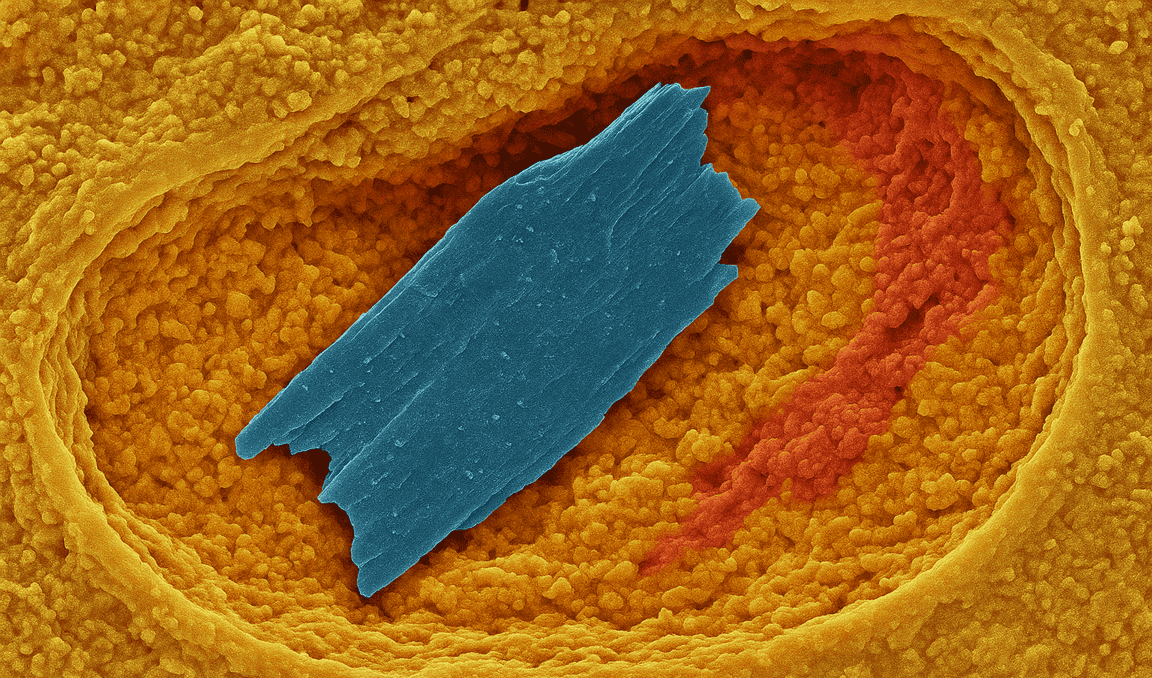
This is the evidence that has moved the conversation from a potential concern to a clear and present danger. The fact that these particles are in our blood proves they are systemic and can travel anywhere. Finding them in the placenta suggests they can be passed from mother to fetus. But the most direct evidence of harm came from a landmark 2024 study in The New England Journal of Medicine. Researchers looked at plaque removed from patients' arteries. They found that patients whose plaque contained microplastics had a 4.5 times higher risk of having a heart attack, stroke, or dying over the next three years compared to patients whose plaque was clean. This is the first study to draw a direct line from the presence of these particles to a major, life-threatening health outcome in humans.
| Where They Are Found | The Implication |
|---|---|
| Human Blood | They are circulating throughout the entire body. |
| Human Placenta | Exposure can begin before birth. |
| Arterial Plaque | Associated with inflammation and a higher risk of cardiovascular events. |
Conclusion
The link between plastic packaging, microplastic ingestion, and serious health risks is no longer theoretical. The evidence is clear and growing. The only way to protect ourselves is to eliminate the source.
Understanding microplastics is crucial for recognizing their impact on health and the environment. ↩
Learn about the health risks associated with inflammation caused by microplastics. ↩
Discover the potential hormonal disruptions caused by microplastics and their implications. ↩
Find out why nanoplastics pose a significant health risk and how they enter the bloodstream. ↩
Learn about the broader environmental implications of microplastic pollution. ↩
Explore the serious health risks posed by microplastics in our daily lives. ↩
Gain insights into the use of polypropylene in food containers and its microplastic risks. ↩
Understand the mechanics of how everyday actions lead to microplastic contamination. ↩
Explore how packaging materials can introduce harmful microplastics into our food. ↩
Learn about PLA's role in food packaging and its potential to shed microplastics. ↩
Discover the dangerous chemical additives in plastics that can leach into food. ↩
Learn about the alarming connection between microplastics and cardiovascular health. ↩