You want to quickly reheat your leftovers from last night. The sugarcane bowl1 they came in seems super convenient, but as you reach for the microwave, you hesitate. You're worried it might melt, catch fire, or ruin your food.
Yes, you can microwave most uncoated sugarcane bagasse bowls2 for short reheating periods. For the best and safest results, use medium power for 30-90 seconds and always check the product's label first, as safety depends on the specific design and any coatings.
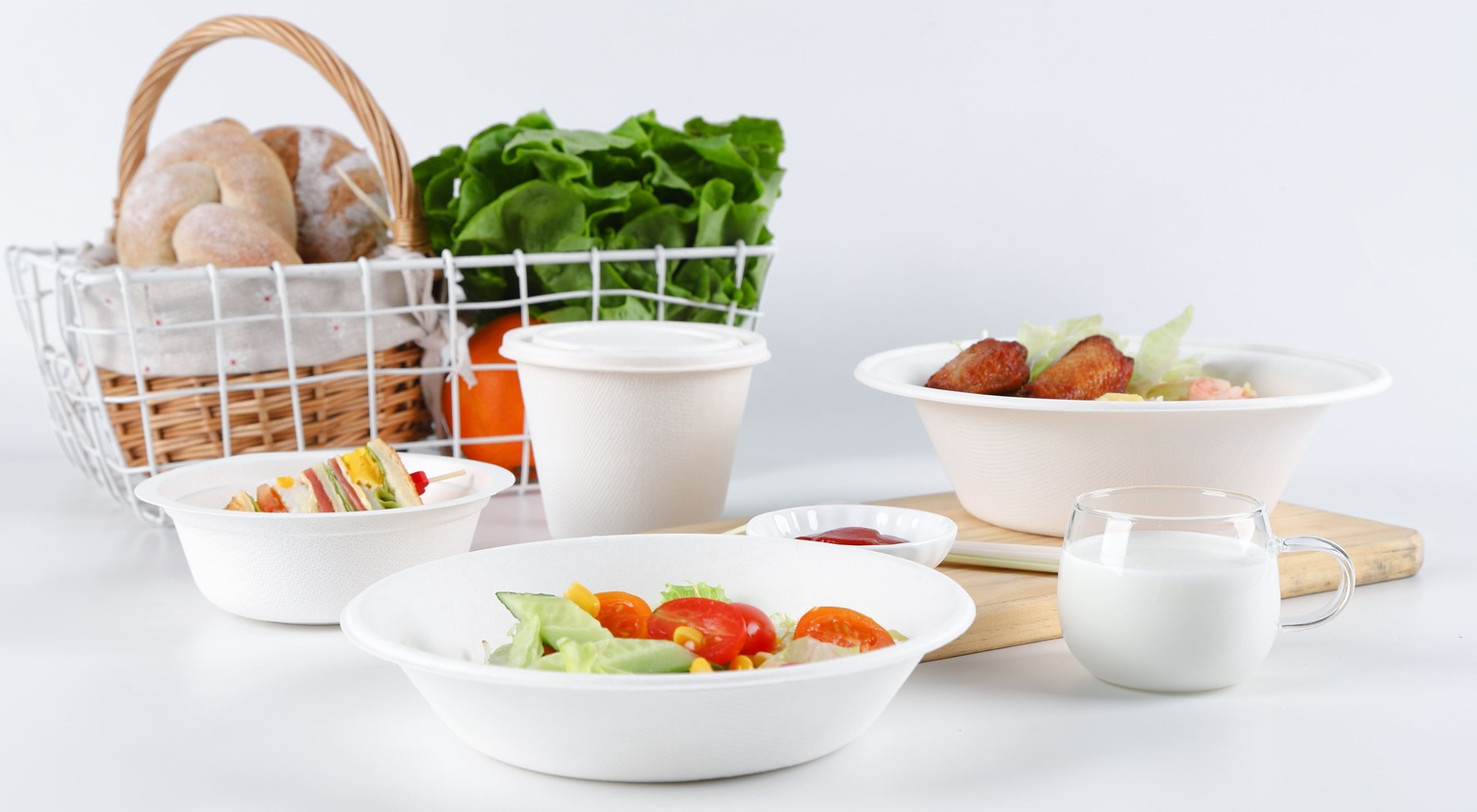
As a sales person at Webester Eco Pack, this is one of the most common questions I get from customers. Everyone loves the convenience of our eco-friendly products, but they want to use them correctly. The short answer is yes, you can microwave them, but the "how" and the "what" are crucial for getting it right. It’s not quite the same as using a glass or ceramic dish. Let's break down exactly how to do it safely and what you need to avoid.
What is the right way to microwave a bagasse bowl?
You put the bowl in the microwave, hit "start," and just hope for the best. You're unsure about the ideal time and power settings, risking a soggy bowl3 or, worse, a burnt smell and ruined food.
Reheat on medium power for short bursts, typically 30 to 90 seconds at a time. This gently warms your food without overheating the bowl's natural fibers4. Always check the bowl and food between intervals to ensure everything is heating safely.
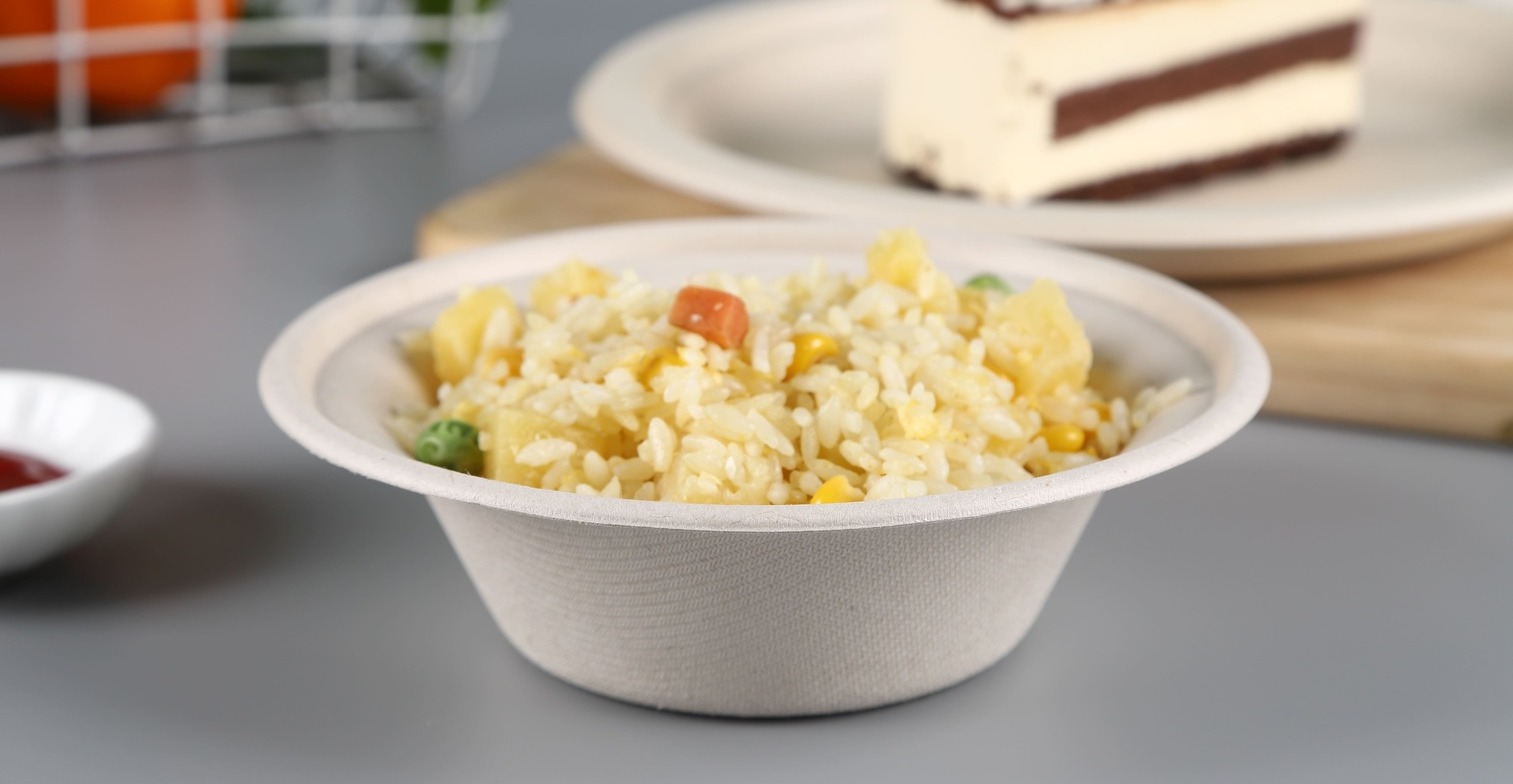
Think of it as a gentle warming process, not a full-on cooking session. Bagasse is a natural fiber, and you have to treat it with a bit of care.
- Use Short Intervals: Start with 30-60 seconds. If your food needs more time, do it in another short burst. This prevents heat from building up too intensely in one spot.
- Stick to Medium Power: High power creates intense, immediate heat that can stress the bowl's structure. Medium power provides a more even, gentle heat.
- Check the Label: This is the most important step. As the manufacturer, we test our products and provide guidelines for a reason. Always look for "microwave safe5" on the packaging.
- Pay Attention: If you ever see the bowl starting to deform, smoke, or notice a burnt odor, stop the microwave immediately. This is a clear sign the bowl has reached its limit.
What foods should you avoid microwaving in a bagasse bowl?
You have some delicious, oily pasta or a sweet, sugary dessert to reheat. You assume the bowl can handle any type of food, not realizing that certain ingredients can turn the sturdy bowl into a soggy, leaky mess.
Avoid microwaving very oily, high-fat, or high-sugar foods in a bagasse bowl. These foods can reach temperatures much higher than boiling water, causing the natural fibers4 of the bowl to soften, warp, or even leak.
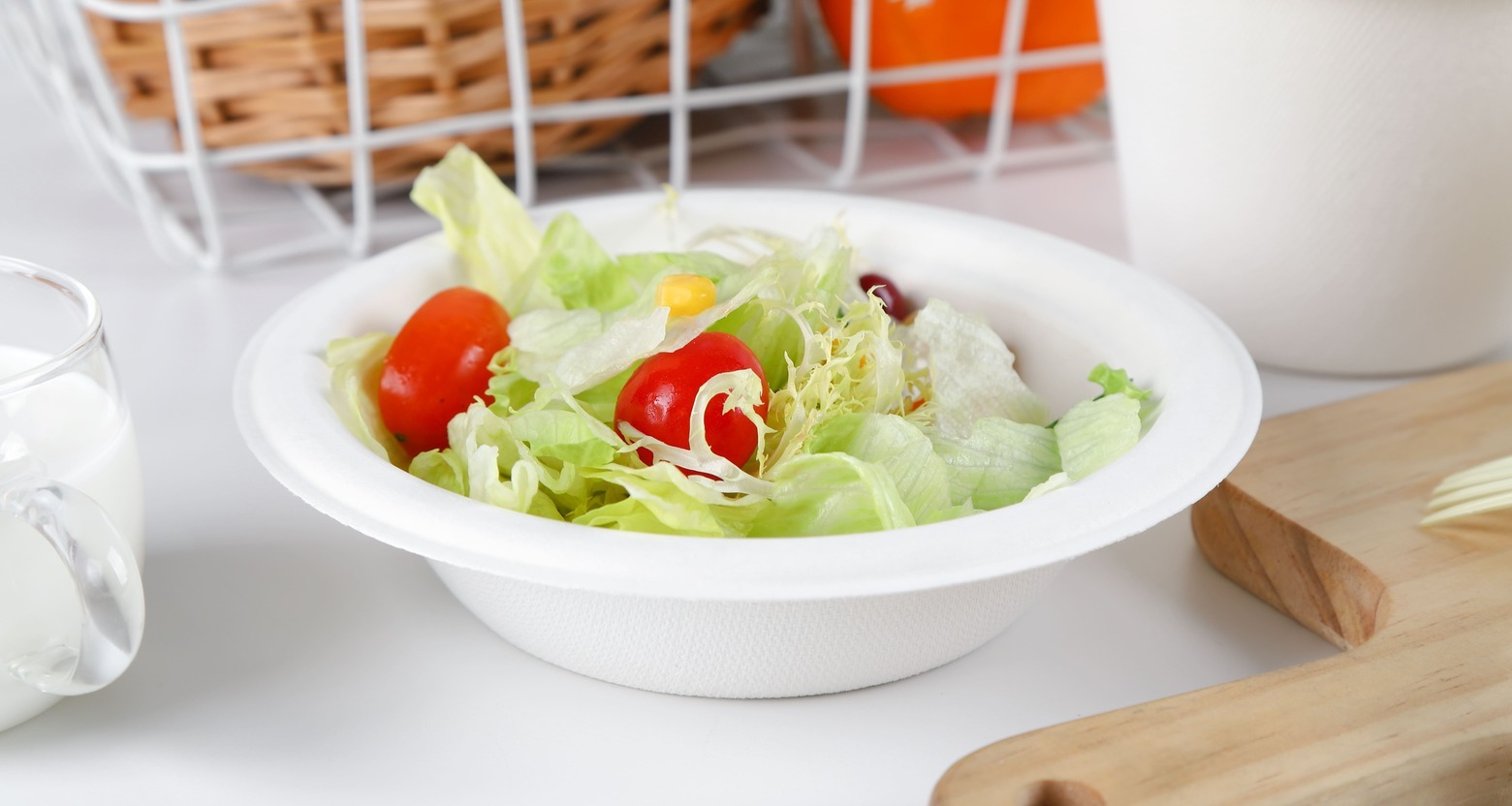
This is a really important point that trips a lot of people up. It's all about how microwaves work with different foods.
- The Science of Heat: Water boils at 100°C (212°F). However, fats, oils, and sugars can get much, much hotter in a microwave, sometimes exceeding 200°C (400°F).
- Structural Limits: Bagasse bowls are designed to handle boiling water, but they aren't meant to withstand the super-high temperatures of hot oils or molten sugar.
- The Risk: This intense heat can cause "hot spots" that weaken the bowl's structure. This can lead to the bowl becoming soft and unstable, warping its shape, or even causing leaks.
- The Empty Bowl Rule: Never, ever microwave an empty bagasse bowl. Microwaves heat things by exciting water molecules. With no food or liquid to absorb the energy, the microwaves will directly target the residual moisture in the bowl's fibers, which can cause it to scorch or char.
What about bagasse bowls with a shiny PLA lining?
You notice your bagasse bowl6 has a smooth, glossy lining. You might think this extra layer makes it even more durable and perfect for microwaving, but this common assumption can easily ruin both the bowl and your meal.
Bagasse bowls lined with PLA (a plant-based plastic) are generally not microwave safe5. PLA has a low softening point, around 60–70°C (140–158°F), and can warp, melt, or leach into your food when heated in a microwave.
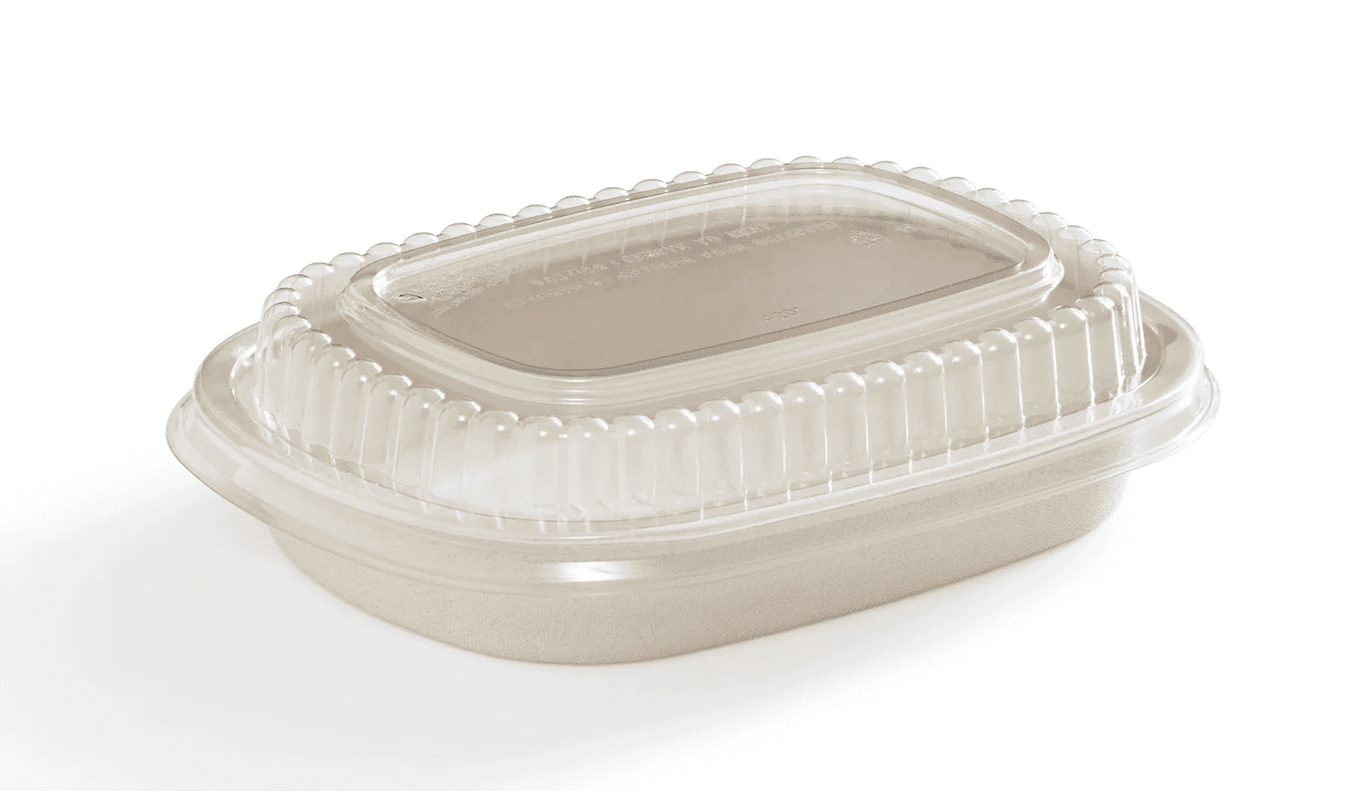
This is a key difference to look for. PLA-lined products are great for holding wet and oily foods at room temperature or in the fridge, but they are not designed for heat.
- Identify the Lining: A PLA lining7 gives the bowl a distinct, slightly shiny, and very smooth plastic-like finish on the inside. Our standard, uncoated bowls8 have a more matte, fibrous texture.
- Low Heat Tolerance: PLA, or polylactic acid, is a fantastic compostable bioplastic, but its biggest weakness is its low tolerance for heat. It begins to soften at a temperature that is easily reached in a microwave.
- What Happens in the Microwave: When you microwave a PLA-lined bowl, the lining can quickly deform, bubble up, or even melt. This compromises the bowl's integrity and is simply not safe for your food.
- The Right Use: Think of PLA-lined bowls as excellent containers for salads, cold pasta, yogurt, or for storing leftovers in the refrigerator. For reheating, always choose an uncoated bagasse bow9l.
When should you absolutely not use a bagasse bowl for heating?
You're looking for a quick container to cook a small meal or heat something for several minutes. You might be tempted to use your handy bagasse bowl in the oven or for a long microwave session, but this is a serious safety risk.
Never use a bagasse bowl in a conventional oven10, toaster oven, or on a stovetop, as it will char and could catch fire. For heating anything beyond a couple of minutes in the microwave, it is always safer to use glass or ceramic.
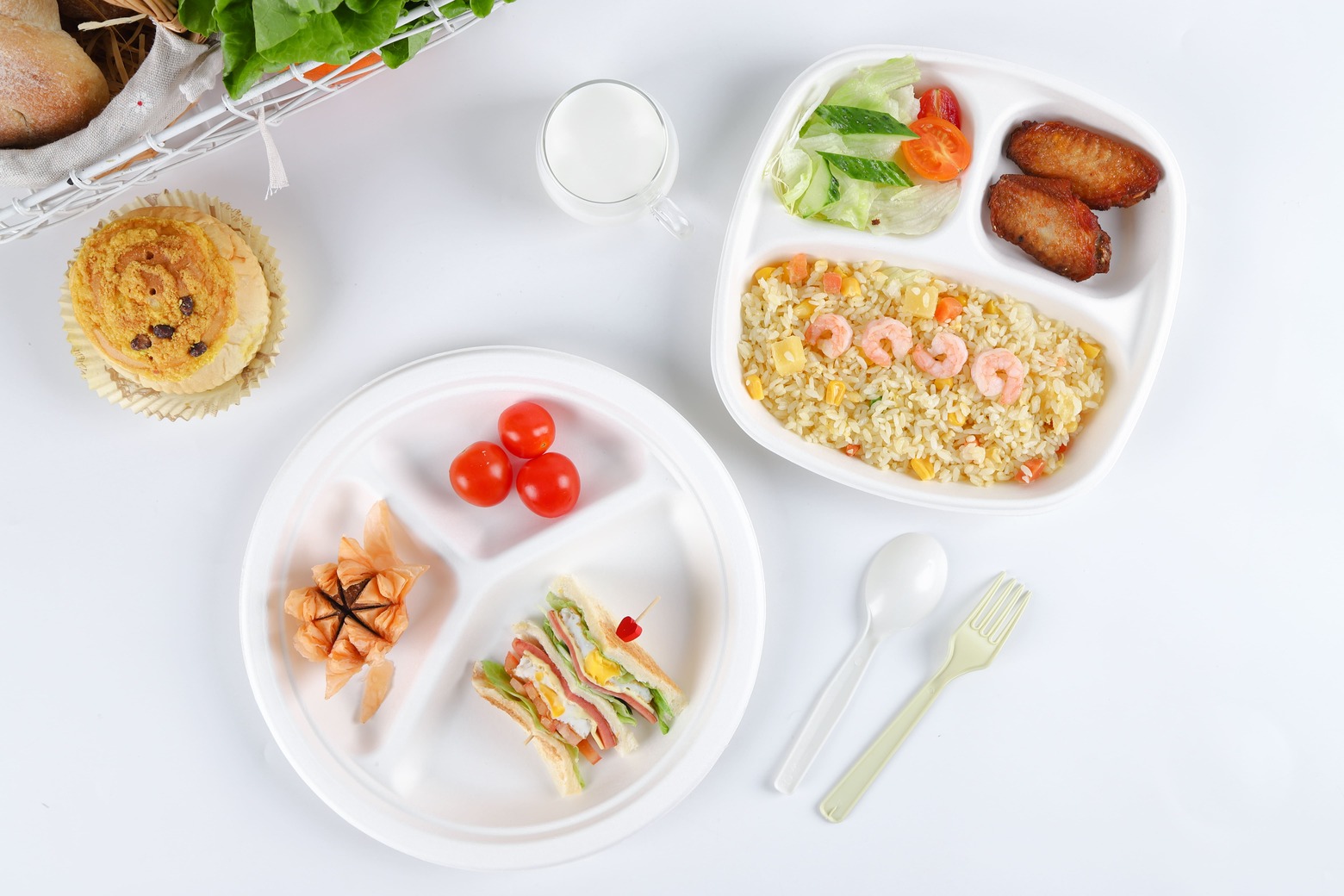
Every product has its limits, and it's important to respect them for your own safety. Here are the absolute hard-and-fast rules for bagasse tableware:
- No Ovens or Stovetops: Bagasse bowls are not bakeware. The dry, direct heat of a conventional oven or a stovetop is completely different from microwave energy. The natural fibers4 will dry out, turn brown, char, and could eventually ignite.
- Microwave Only: Bagasse works in a microwave because the energy targets the water molecules in the food. The bowl itself stays relatively cool, at least for a short time.
- Avoid Long Heating Times: If you need to heat something for more than two or three minutes, it's time to switch containers. Extended exposure to microwaves and steam will eventually cause the bowl to absorb too much energy and moisture, increasing the risk of structural failure.
- The Safe Alternative: For any long cooking or reheating jobs, your best bet is to transfer the food to a proven microwave-safe material like glass or ceramic. They are designed for high heat and prolonged use.
Conclusion
In short, bagasse bowls are great for quick reheating. Just be mindful of the food, time, and power settings, and always avoid PLA-lined bowls and conventional ovens.
Learn about the benefits of sugarcane bowls as a sustainable alternative for food service. ↩
Explore this resource to learn more about the safe use and advantages of uncoated sugarcane bagasse bowls for reheating food. ↩
Find out what leads to soggy bowls in the microwave and how to prevent it. ↩
Learn about natural fibers and their properties, especially in relation to heat exposure. ↩
Learn how to identify microwave-safe products to ensure safe reheating of your food. ↩
Explore the advantages of using bagasse bowls for eco-friendly food storage and serving. ↩
Find out about PLA lining in food containers and its implications for microwave use. ↩
Explore this resource to understand why standard uncoated bowls are safer and more effective for microwaving, ensuring your food stays intact. ↩
Explore this resource to learn about the advantages and safe usage of uncoated bagasse bowls, ensuring your reheating is both eco-friendly and effective. ↩
Understand the risks of using bagasse bowls in conventional ovens and safer alternatives. ↩