You need to reheat leftovers quickly. A paper plate is right there on the counter, but is it safe for the microwave, or will it catch fire or melt into your food?
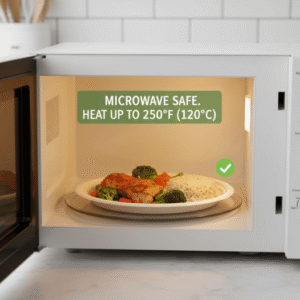
Yes, you can microwave plain, uncoated white paper plates for short periods. Always check for a "microwave safe1" label and avoid any with metallic trim2 or plastic coatings3, as they can spark or melt.
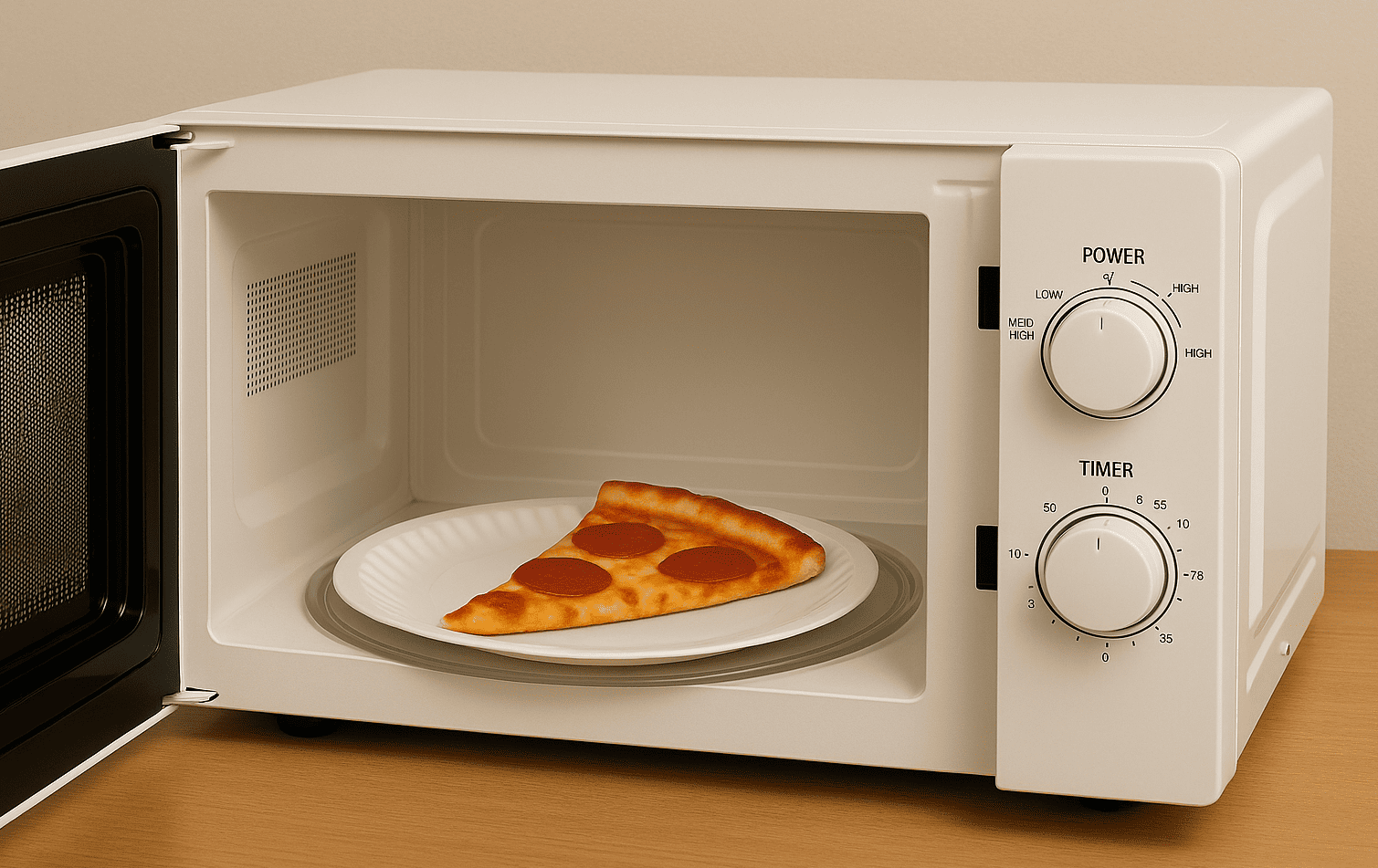
I’ve seen my share of kitchen mishaps, and microwaving the wrong thing is one of the most common. Paper plates seem so simple, but there's a lot more to it than just putting your food on one and pressing 'start'. People often ask me if it's safe, and the answer is "it depends." Understanding the difference between a plate that’s perfectly fine for a quick warm-up and one that’s a genuine fire hazard is absolutely crucial for keeping your kitchen safe and your food clean.
When is it actually safe to microwave a paper plate?
You just want to quickly warm up a slice of pizza or a leftover roll. But you're worried the paper plate will get soggy, start to burn, or just fall apart completely.
It's safe if the plate is plain white, uncoated, and explicitly labeled "microwave safe1." Use it for short intervals of 1-2 minutes on medium power4 to prevent scorching and ensure the plate holds its shape.
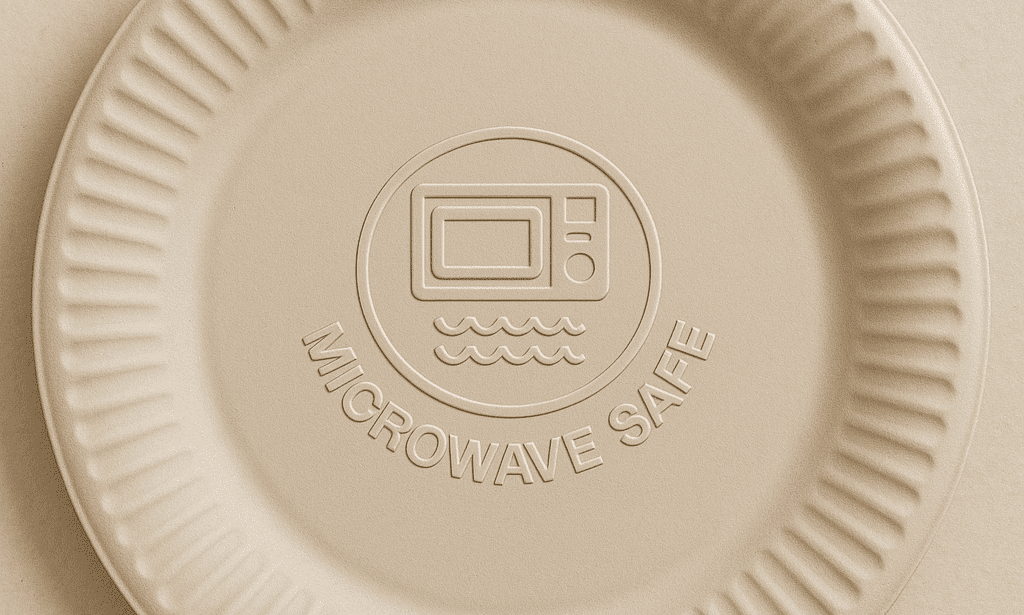
Think about what a basic paper plate is: pressed wood fiber. Microwave energy is designed to excite water molecules, so it passes right through the paper and heats the food. This works perfectly for short-term reheating of things like sandwiches, pastries, or bread. The key is to avoid long heating times. If you run the microwave for too long, especially with very little food on the plate, the energy can start to heat the residual moisture within the paper fibers themselves. This dries the plate out, making it brittle, and can eventually lead to scorching or even ignition. That’s why the "short bursts5 on medium power" rule is your best friend. It’s for a quick warm-up, not for cooking a meal from scratch.
Checklist for Safe Use
- Check the Label: It must be marked as "Microwave Safe" by the manufacturer.
- Use for Reheating Only: Never use paper plates for long-form cooking.
- Keep Time Short: Stick to intervals under two minutes to be safe.
- Lower the Power: Use a medium or 50% power setting instead of high.
- Cover the Surface: Make sure the food covers most of the plate to absorb the energy.
Which paper plates are a definite microwave no-go?
You grab a decorative paper plate6 left over from a party. But you don't realize that its shiny trim or glossy coating could cause a dangerous reaction inside your microwave.
Never microwave paper plates with metallic trim2, foil accents, or metal-based inks7, as they can arc and cause a fire. Also, avoid plates with plastic or wax coatings, which can melt into your food.
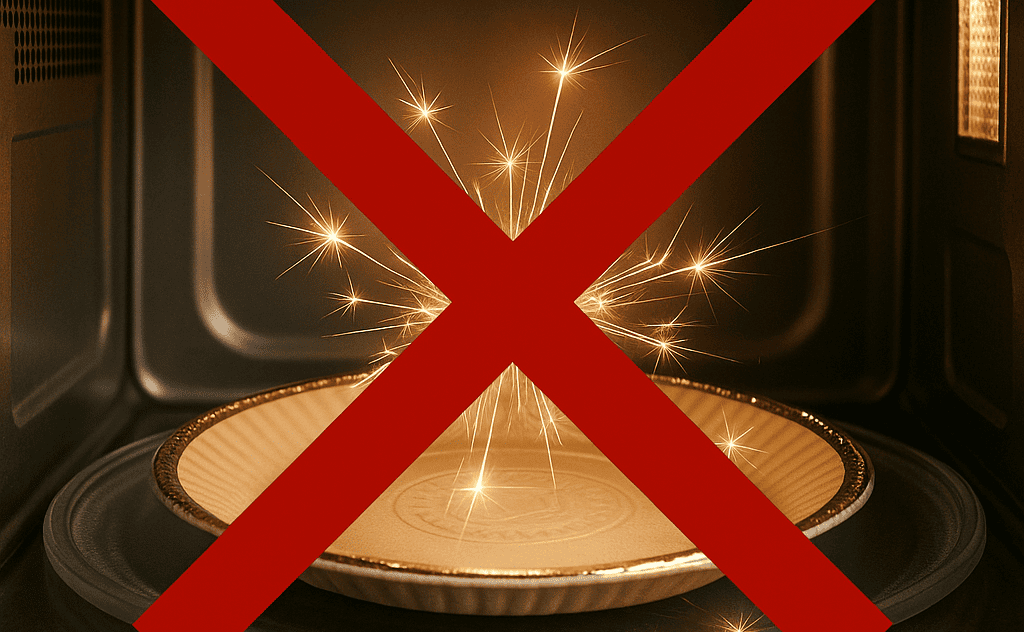
This is where things go from being a simple mistake to a serious safety hazard. Any type of metal, even the thinnest decorative strip, is a huge risk. Microwaves reflect off metal surfaces, causing sparks—a process known as arcing. These sparks can easily ignite the paper plate and start a fire in your kitchen. Another major problem is coatings. Many paper plates have a very thin layer of plastic (like polyethylene) or wax applied to them to prevent grease and liquid from soaking through. When heated, these coatings can melt, warp, or release unpleasant fumes. Even worse, the melted plastic or wax can seep directly into your food, which is something nobody wants. If a plate feels waxy to the touch or has a shiny, plastic-like sheen, it’s best to keep it out of the microwave.
Plates to Avoid Microwaving
| Plate Type | Reason to Avoid | Potential Hazard |
|---|---|---|
| Metallic Trim/Foil | Metal reflects microwaves. | Sparks, fire. |
| Plastic-Coated | The coating can melt at high temperatures. | Chemical leaching into food. |
| Wax-Coated | Wax is not heat-stable and will melt. | Food contamination, smoke. |
| Polystyrene (Foam) | Not stable at microwave temperatures. | Melting, release of harmful chemicals. |
| Recycled Paper | May contain tiny, unseen metal flecks. | Sparks, fire. |
How do different foods change how paper plates perform?
You put a greasy piece of fried chicken on a paper plate to reheat. But when you take it out, you end up with a soggy, browned plate that feels like it's about to collapse.
High-fat and oily foods create intense hot spots that can easily scorch or weaken a paper plate. To prevent this, use lower power in shorter bursts and consider stacking two plates for extra support and rigidity.
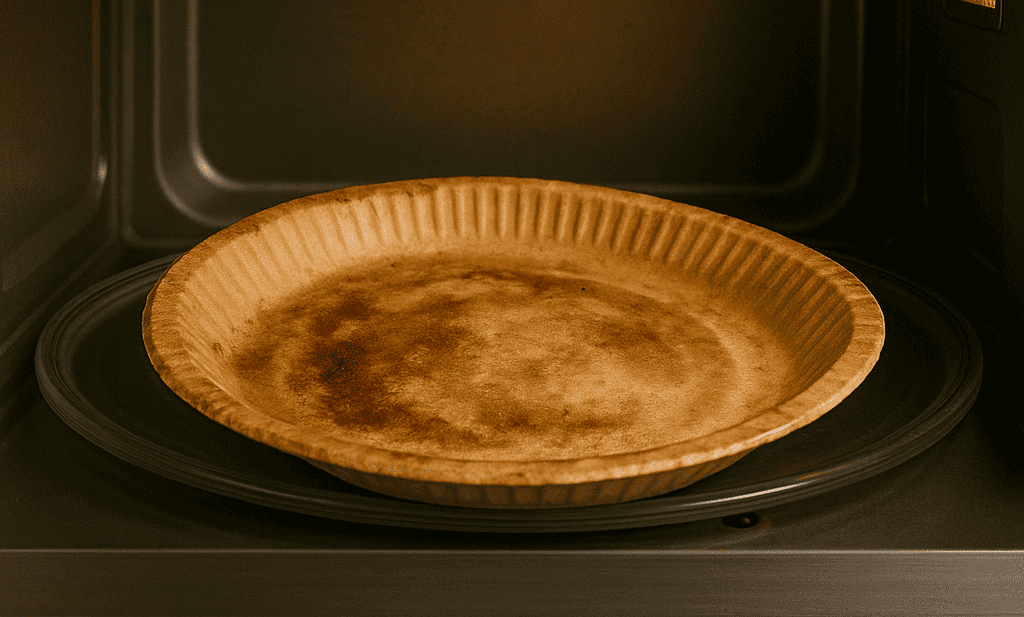
This is a very common issue, and it comes down to basic physics. Water can’t get hotter than its boiling point, 100°C (212°F). But fats, oils, and even sugars can reach much higher temperatures in a microwave. When you reheat something oily like pizza or fried food, that oil can superheat and create small, intensely hot spots where it contacts the plate. This concentrated heat is what causes the paper fibers to turn brown, scorch, and become weak. It can also cause the grease to soak through, making the plate flimsy and unstable. One simple trick I always recommend is to stack two plain paper plates together. The bottom plate acts as a buffer, catching any grease that seeps through and providing extra structural support so your food doesn't end up on the floor.
Tips for Reheating Different Foods
- Water-Based Foods (Veggies, Soups): Generally safe, but be aware that steam can make the plate soft.
- High-Fat Foods (Pizza, Fried Items): Use short, 30-second intervals and stack two plates.
- Sugary Foods (Doughnuts, Pastries): Sugar can also get extremely hot and scorch the plate. Reheat very carefully.
You choose a sturdy, grease-resistant paper plate, thinking it's a better and safer option. But you're completely unaware that the very chemicals used for that resistance could end up in your meal.
Yes, some grease-resistant paper plates8 may contain PFAS chemicals9. Microwaving can increase the risk of these "forever chemicals" migrating from the plate directly into your food, especially with hot or greasy items.
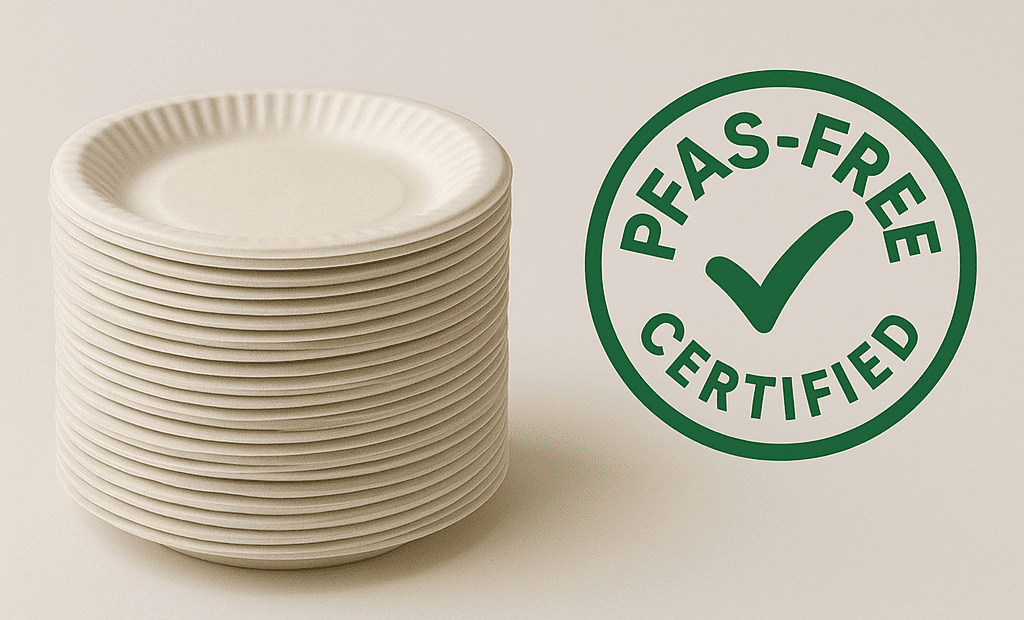
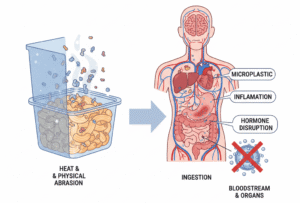
This is a serious health concern that goes far beyond just fire safety. To make paper plates hold up against a greasy burger or a saucy slice of lasagna, some manufacturers treat them with a class of chemicals called per- and polyfluoroalkyl substances (PFAS). These are often called "forever chemicals" because they don't break down easily in the environment or in our bodies. The major problem is that when you heat these plates, the risk of PFAS migrating from the paper into your food increases significantly. This is especially true when reheating hot, greasy, or acidic foods. For the absolute safest choice, I strongly recommend using plain white, uncoated plates or looking for products that are specifically certified as "PFAS-free." You should also be cautious with plates that have heavy colored inks or dyes, as these can also potentially transfer to your food when heated.
Your Ultimate Safety Checklist
- Prioritize PFAS-Free: Look for this certification on the packaging to avoid chemical exposure.
- Choose Plain White: Avoid plates with colored inks or heavy dyes that could leach.
- Find the "Microwave Safe" Symbol: This is the manufacturer's guarantee of safety.
- Avoid All Coatings: Steer clear of any plate with a plastic or wax feel.
Conclusion
In short, plain white paper plates labeled "microwave safe" are fine for a quick reheating job. Always avoid plates with metal, coatings, or dyes to prevent fires and chemical leaching into your food.
Understanding the meaning of 'microwave safe' can help you choose the right plates for reheating. ↩
Learn about the dangers of metallic trim and how it can cause sparks in the microwave. ↩
Discover the risks associated with plastic coatings and their potential to melt into food. ↩
Understand the benefits of using medium power for safe reheating. ↩
Find out how short bursts can prevent overheating and ensure safety. ↩
Discover why decorative paper plates may not be safe for microwaving. ↩
Understanding the risks of metal-based inks can help you avoid potential fire hazards and ensure safe microwaving practices. ↩
Find out if grease-resistant plates pose any health risks when microwaved. ↩
Explore the health risks of PFAS chemicals and how they can affect your food. ↩