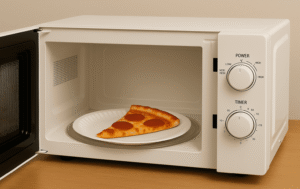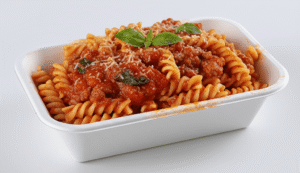
You have last night's takeout in a white foam container. You're hungry, but you pause with your hand on the microwave door, wondering if this is a bad idea.
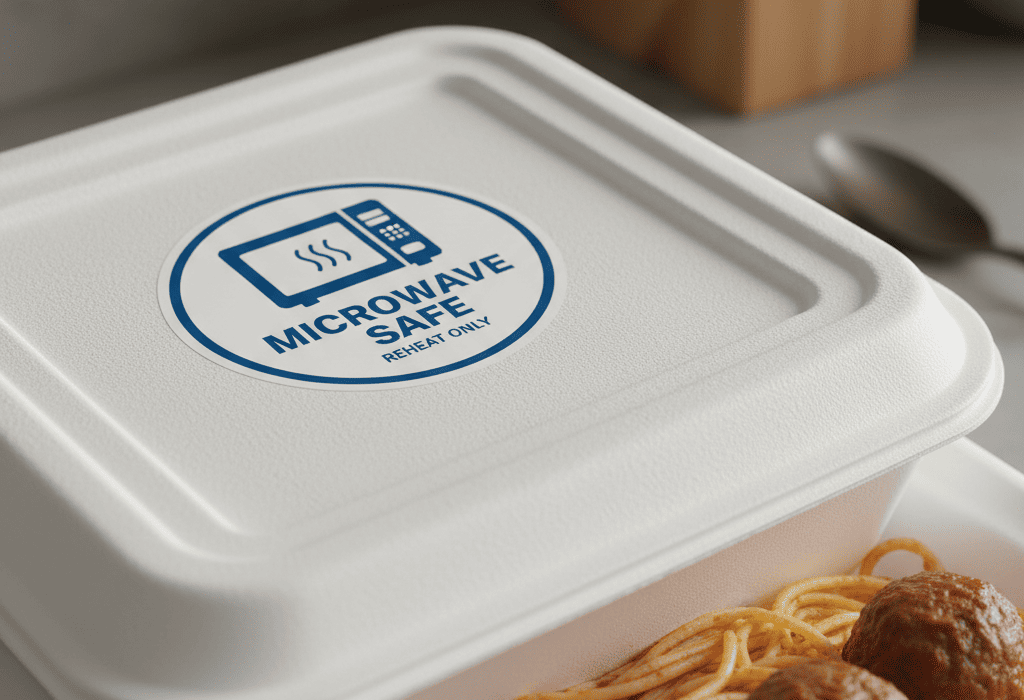
You should only microwave Styrofoam containers that are clearly marked with a "microwave-safe1" label. Unlabeled containers, especially those made from expanded polystyrene2 (recycling code #63), can warp, melt, or leach chemicals into your food when heated, particularly with oily or sugary foods.
The quick answer is a big "it depends." While my company, Webester Eco Pack, is dedicated to moving the world away from plastics toward sustainable options like sugarcane bagasse4, I've spent over 5 years in the food packaging industry5. That experience has taught me a lot about all types of materials, including Styrofoam. The truth is, not all foam is created equal, and knowing the difference is crucial for your safety. Let's get into the details so you can reheat your food without worry.
What does the "microwave-safe" label really mean?
You've flipped the container over and found that little symbol of wavy lines. You feel relieved, but what did the manufacturer actually do to earn that label?
The "microwave-safe1" label indicates the container has been tested under FDA guidelines6. It means the foam won't melt or leach harmful amounts of chemicals under repeated, intended use. However, this doesn't guarantee it won't deform under extreme heat from certain foods.
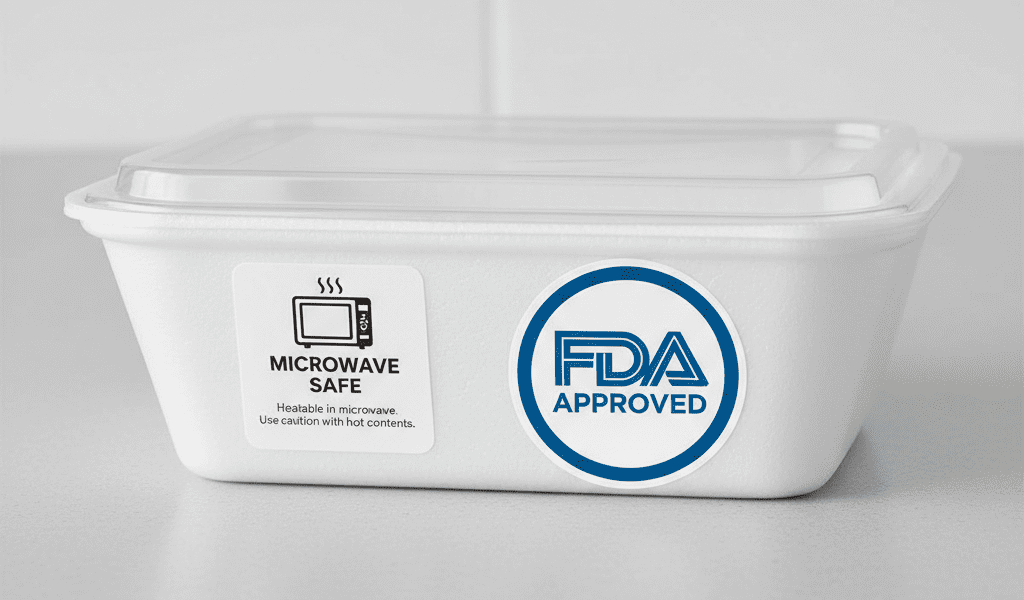
Let's dive deeper. "Styrofoam" is a brand name, but most of what we call Styrofoam is actually expanded polystyrene2 (EPS). This material, marked with recycling code #63, has a low melting point. To make it microwave-safe1, manufacturers use a different formula or additives to increase its heat resistance. The FDA requires these specialized containers to undergo testing. They check to see if the container can withstand the heat and whether any substances migrate from the plastic to the food. If it passes, it gets the label. But the tests are done under controlled conditions. They don't always account for that super-hot, oily sauce from your leftovers.
Here is a simple breakdown of what you're looking at:
| Container Type | Material | Key Identifier | Microwave Safety |
|---|---|---|---|
| Typical Takeout Foam | Expanded Polystyrene (EPS) | Recycling Code #6, no microwave symbol | Unsafe. Likely to warp or melt. |
| Microwave-Safe Foam | Specially formulated Polystyrene | "Microwave Safe" label or symbol | Safe with caution. Follow guidelines. |
So, think of the label as a minimum safety standard, not a license to blast your food on high for five minutes.
Why do some Styrofoam containers melt in the microwave?
You used a container that you thought was fine, but it ended up with a soft, warped spot. Now you're wondering what went wrong. The problem is often the food, not just the container.
Styrofoam containers melt when the food inside gets hotter than the foam's melting point. Oily, fatty, and sugary foods can reach temperatures far above the boiling point of water, causing the plastic to soften, warp, or even melt completely.
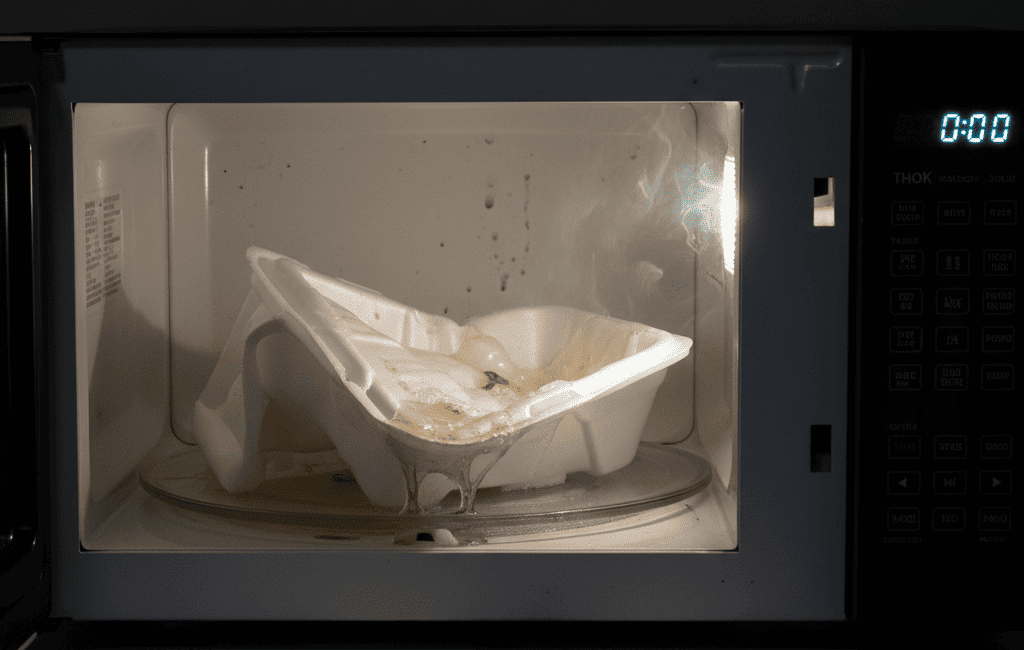
This is a really important point. Microwaves work by making water molecules vibrate, which creates heat. Water boils at 212°F (100°C), and that's the hottest most water-based foods will get. But fats, oils, and sugars don't have that limit. They can easily get up to 300°F or 400°F in the microwave. Standard EPS foam starts to soften around 212°F and melt not long after. I once saw a friend's takeout container with a perfect hole melted in the bottom. They had been reheating greasy fried chicken, and the hot oil concentrated in one spot, acting like a blowtorch on the foam. The "microwave-safe1" versions have a higher tolerance, but even they can struggle with extreme food temperatures.
Be extra careful with these types of foods:
- Fried Foods: French fries, fried chicken, or anything with a lot of cooking oil.
- Oily Soups: Broths with a thick layer of oil on top.
- Rich Sauces: Cream-based sauces, pesto with lots of olive oil, or sweet and sour sauces with high sugar content.
- Bacon or Sausages: These release a lot of hot grease7 when reheated.
What are the best practices for microwaving Styrofoam safely?
You've confirmed your container is labeled "microwave-safe1," but you want to be extra cautious. Taking a few simple steps can dramatically reduce the risk of any issues.
Always use medium power8 and short heating intervals, like 60 seconds at a time. Vent the lid to let steam escape, and never heat an empty container. If you notice any warping, softening, or a chemical smell9, stop immediately and throw it out.
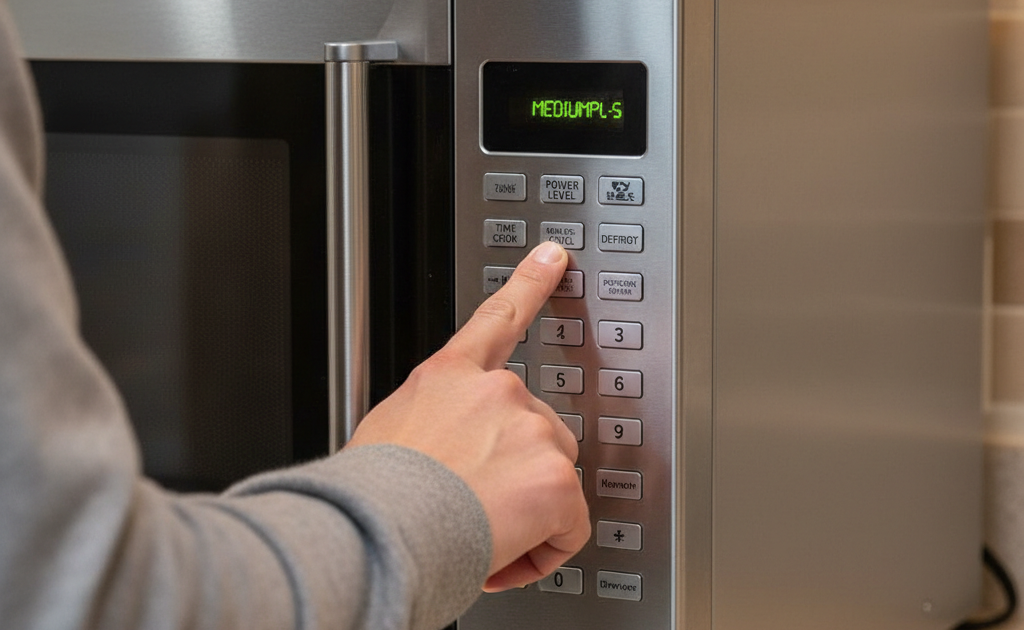
Following a safe process is key. Blasting food on high power is the fastest way to create super-hot spots that damage the container. A gentler approach gives the heat time to distribute more evenly. Venting is also critical. Steam builds up pressure inside a sealed container, which can lead to messy splatters or even cause the lid to pop off violently. And never, ever microwave an empty foam container. With no food or water to absorb the microwave energy, the energy directly attacks the container itself, which can cause it to overheat and deform very quickly.
Here’s a quick safety checklist10 for you to use every time:
- Step 1: Check the Label. No "microwave-safe1" symbol? Don't even start. Transfer the food.
- Step 2: Vent the Lid. Leave a corner open or crack the lid to let steam out.
- Step 3: Use Medium Power. A 50% power setting is much safer than 100%.
- Step 4: Heat in Bursts. Go for 60 seconds, stir the food, and then heat for another 30-60 seconds if needed. This prevents hotspots.
- Step 5: Watch and Smell. Stay near the microwave. If you see the container changing shape or smell anything unusual, stop.
Are there safer alternatives for reheating food?
You've read all this and are thinking there has to be a simpler, worry-free way. You are absolutely right, and the safest method is also the easiest.
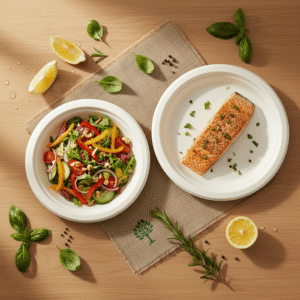
Yes, the safest alternative is to transfer your food from the Styrofoam container to a dish made of glass, ceramic, or another material explicitly designed for microwave use. This completely eliminates any risk of the container melting or leaching chemicals.
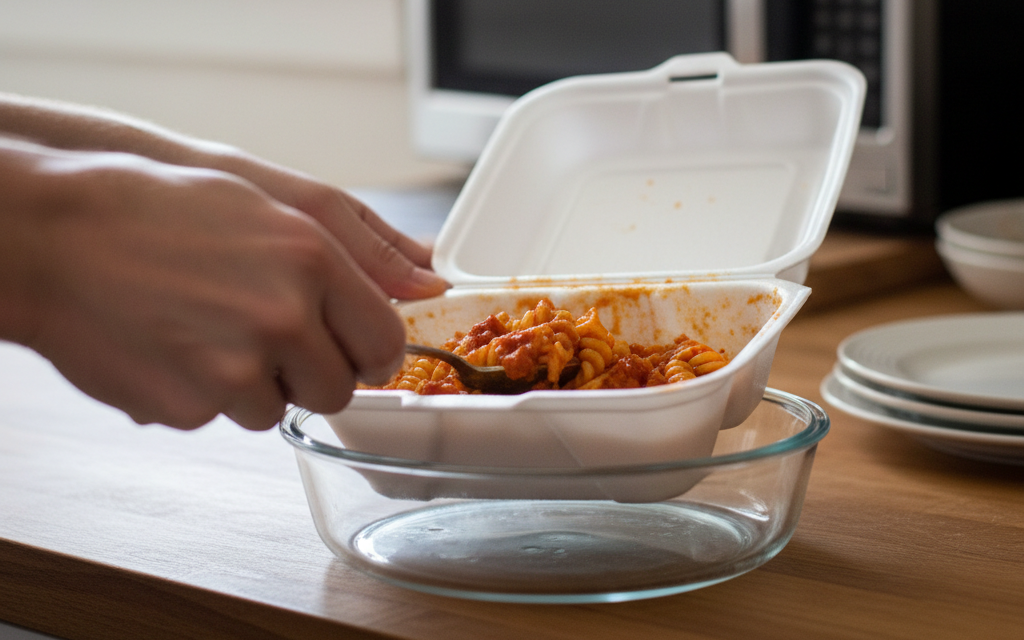
When it comes to your health, "when in doubt, throw it out" is good advice, but "when in doubt, transfer it out" is even better for reheating. Materials like glass and ceramic are inert, meaning they don't react with your food or release substances when heated. This is why they are the gold standard for food storage and reheating. This is especially important for vulnerable groups. If you're heating food for children or are pregnant, using an inert container is a simple, common-sense precaution. This core idea of material safety is why I'm so passionate about my work at Webester Eco Pack. We believe packaging should be safe and sustainable from the start. But when you find yourself with a Styrofoam takeout box, taking 30 seconds to move the food to a ceramic plate11 is the smartest move you can make.
Conclusion
Only microwave Styrofoam if it's labeled "safe." Even then, avoid fatty foods and use short intervals. For true peace of mind, simply transfer your food to a glass dish12.
Understanding the meaning of 'microwave-safe' can help you choose the right containers for reheating food safely. ↩
Learn about expanded polystyrene, its properties, and why it's important to know its limitations when microwaving. ↩
Discover what recycling codes mean and how they affect the safety of food packaging materials. ↩
Discover how sugarcane bagasse is revolutionizing food packaging as a sustainable alternative. ↩
Stay updated on the latest trends in the food packaging industry, including sustainability and safety. ↩
Explore the FDA's guidelines to understand how food packaging is regulated for safety. ↩
Understand the impact of hot grease on Styrofoam containers to avoid mishaps while reheating. ↩
Understand the benefits of using medium power settings to avoid overheating and damaging containers. ↩
Learn how to respond if you detect a chemical smell, ensuring your safety while using the microwave. ↩
Get a comprehensive safety checklist to ensure safe microwaving practices every time. ↩
Learn about the advantages of using ceramic plates for reheating food safely and effectively. ↩
Find out why using glass dishes is a safer option for reheating food compared to Styrofoam. ↩