Got leftovers on that cool eco-friendly plate? You want to reheat them, but you’re afraid the plate might melt, burn, or get soggy in the microwave.
Yes, you can microwave a bagasse plate1 for short periods, typically 1-3 minutes, making it perfect for reheating leftovers2. However, it's not designed for actual cooking. Use moderate power and avoid high-fat foods3 to prevent the plate from scorching4 or weakening.
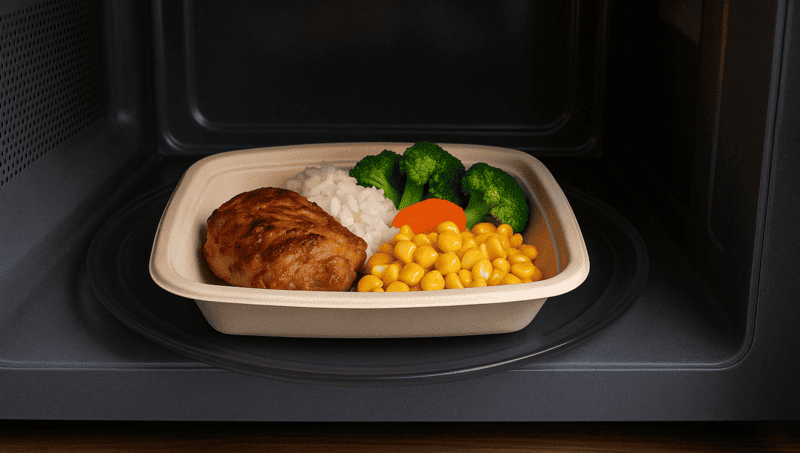
It’s great news that you can, but "how" you do it matters a lot. Using it correctly means keeping your food safe and your plate intact. Before we get into the details of microwaving, let's quickly cover what these fantastic plates are actually made of.
What is a bagasse plate?
You see those sturdy, plant-based plates everywhere, but what are they actually made of? It's confusing, but bagasse is a truly smart, waste-reducing material worth knowing about.
A bagasse plate1 is eco-friendly tableware made from sugarcane pulp5, the fibrous waste left after extracting juice. Sturdy, compostable6, and biodegradable, it turns agricultural waste into a valuable product, replacing plastic and styrofoam without cutting down trees.
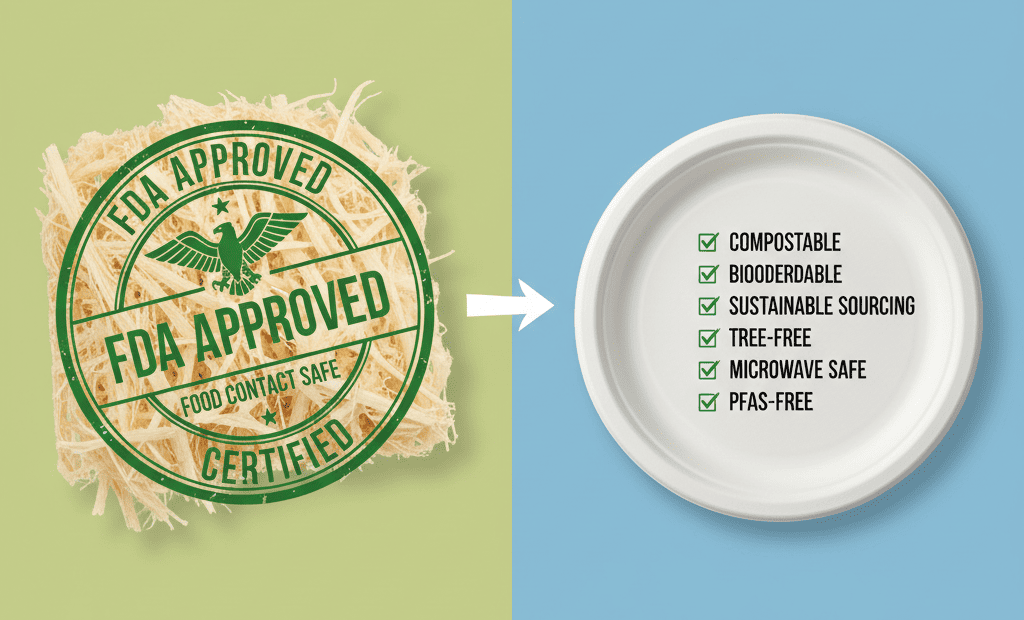
I first discovered bagasse when I was looking for party supplies that weren't plastic. I saw these bright white, sturdy-looking plates and learned they came from sugarcane. The whole idea is brilliant. After sugarcane stalks are crushed to get juice for sugar, the leftover dry pulp is called "bagasse." Instead of being thrown away or burned, this material is turned into something useful. The pulp is mixed with water, pressed into molds at high pressure, and then dried. The result is a surprisingly strong and lightweight plate. It's a perfect example of "turning waste into value." It feels much better to use something made from a leftover agricultural product than a plate made from trees or fossil fuels.
| Feature | Bagasse Plate | Paper Plate | Plastic/Styrofoam Plate |
|---|---|---|---|
| Raw Material | Sugarcane Waste | Trees | Fossil Fuels (Oil) |
| Environmental Impact | Low, uses a byproduct | High, deforestation | High, carbon emissions |
| End-of-Life | Composts in months | Recyclable (if clean) | Lasts 500+ years in landfill |
How long can you safely microwave it?
You know it’s for short reheating, but how short is short? You don’t want to guess and end up with a soggy, warped plate or ruined food.
Limit microwaving bagasse plate1s to 1 to 3 minutes on a medium power setting. This is enough time to warm most foods without compromising the plate's structure. These plates are single-use and not meant for repeated reheating, which can cause them to degrade.
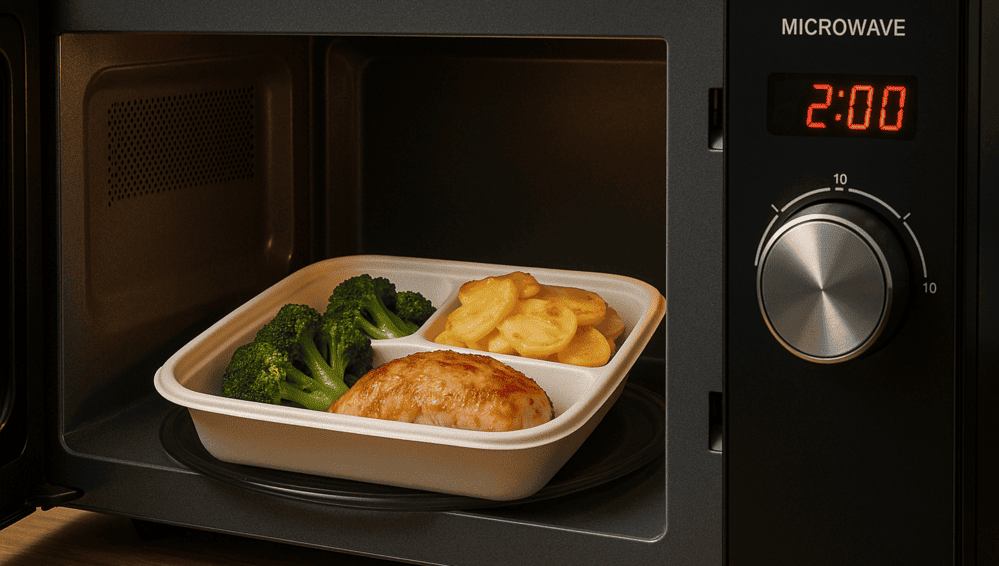
I learned this the hard way. I once tried to heat a dense portion of lasagna for five minutes on high. When I went to take it out, the plate had become so soft that it almost folded in on itself. Bagasse is made from natural sugarcane fibers, and prolonged microwave energy makes the water within those fibers get too hot, causing the plate to lose its rigidity. It's built to handle temperatures around 100°C (212°F), but not much more. This is also why they are best for single use. Each time you heat it, the fibers weaken. For any serious cooking or repeated heating, it's much better to transfer your food to a glass or ceramic dish.
| Time / Power Setting | Expected Result | Recommended For |
|---|---|---|
| 1–3 mins (Medium) | Plate stays firm and holds its shape. | Reheating most leftovers. |
| 3+ mins (High) | High risk of softening, warping, or scorching4. | Not recommended. |
| Repeated Heats | The plate structure will degrade and weaken. | Not recommended. |
What foods are best for microwaving on bagasse?
You're ready to reheat, but now you wonder if the food itself matters. Can that greasy pizza slice cause problems that a bowl of soup wouldn't?
Moist foods like soups, stews, and steamed vegetables are safest to microwave on bagasse. The steam helps distribute heat evenly. Be cautious with high-fat, oily, or very dry foods, as they can reach high temperatures quickly and scorch or weaken the plate.
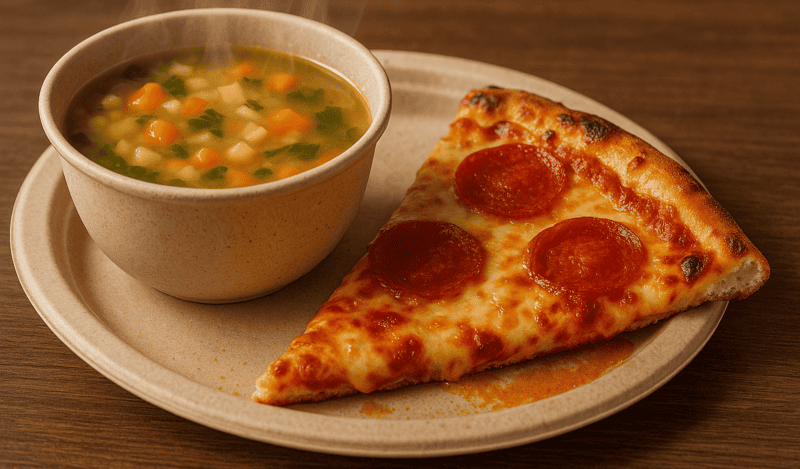
The science here is pretty simple. Fats and oils can get much hotter than water in a microwave, sometimes exceeding 150°C (300°F). This intense, focused heat can easily burn the natural fibers of the bagasse plate1. I once reheated some fried chicken and saw little brown scorch marks appear right under the chicken skin. The plate held up, but it was a clear warning sign. On the other hand, moist foods7 are perfect because water turns to steam at 100°C (212°F), which creates a gentle heating environment that doesn't harm the plate. The steam actually helps heat the food more evenly.
- Safer Foods: Soups, pasta with sauce, rice and beans, steamed vegetables.
- Use with Caution: Greasy pizza, fried foods, dishes with a lot of butter or oil.
- Best to Avoid: Reheating very dry items like crackers or bread, which can char easily.
Are there any safety risks to watch out for?
You trust that your eco-friendly plate is safe. But you've heard stories about chemicals in food packaging, and you want to be 100% sure before heating it.
The main risk is scorching4 the plate. Also, check if the plate has a coating. While many are natural, some older plates used PFAS coatings8 for grease-proofing, which can be a health concern when heated. Discard any plate that looks burnt or smells funny after microwaving.
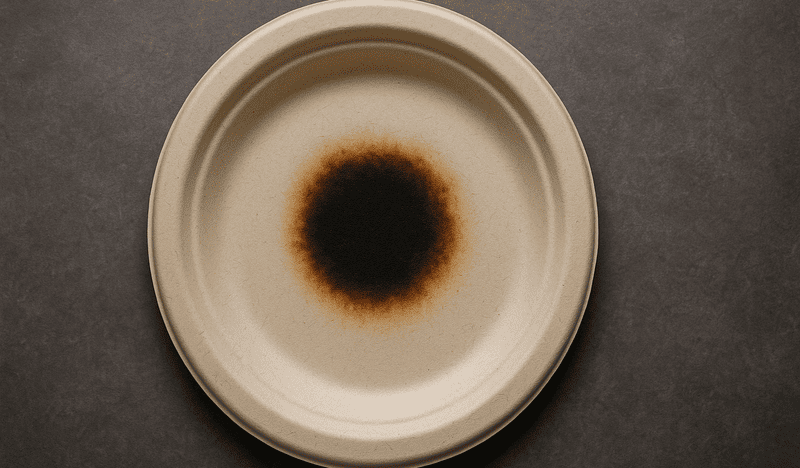
This is a really important point. PFAS are "forever chemicals" that were sometimes added to make plates more grease-proof. The good news is that the FDA has banned their use in new food packaging. However, to be safe, I always look for products that are clearly labeled "PFAS-Free." Heating can increase the risk of chemicals migrating to your food, so it’s best to be sure. Beyond chemicals, your senses are your best guide. If you see dark brown or black spots on the plate after microwaving, the fibers have burned. If you smell something acrid or "off," that's a bad sign. In either case, it's safest to throw both the plate and the food away.
Here are the key warning signs:
- Dark Spots: This indicates the fibers have scorched from intense heat, usually from oily food.
- Burnt Smell: A clear sign the plate material itself has started to burn.
- Extreme Softness: If the plate becomes too flimsy to hold safely, its structure is compromised.
- No PFAS-Free Label: If you're unsure about the plate's composition, it's safer to avoid microwaving it.
Conclusion
So, you can microwave a bagasse plate1. Just keep it short, stick to moist foods7, and watch for any signs of scorching4 to enjoy your leftovers safely and easily.
Explore the unique properties of bagasse plates and their eco-friendly benefits. ↩
Get expert advice on safely reheating leftovers without compromising quality. ↩
Learn about the risks of microwaving high-fat foods and their effects. ↩
Learn how to prevent scorching and keep your bagasse plates intact. ↩
Discover the versatility of sugarcane pulp and its role in sustainable products. ↩
Understand the importance of compostable materials for the environment. ↩
Discover which moist foods are safest to microwave on bagasse plates. ↩
Understand the health risks associated with PFAS in food packaging. ↩