Choosing sustainable tableware is a great step, but the options can be confusing. You see "bagasse" and "bamboo" and think they're the same, but they aren't. Picking the wrong one can affect your budget, performance, and even your brand's eco-message.
Bagasse, an upcycled sugarcane waste, excels with hot, wet, and oily foods, making it a versatile workhorse. Bamboo, a harvested renewable grass, offers superior rigidity1 and a premium aesthetic2. From a full lifecycle perspective, bagasse is often more eco-friendly due to its "waste-to-value" origin.
As someone who manufactures these products, I talk to businesses every day who are trying to make this exact decision. They want to do the right thing for the planet, but they also need a product that works for their customers and their bottom line. The marketing can be cloudy, so let's cut through it. I'll give you a straightforward, honest breakdown of what these materials are, where they shine, and what happens when you're done with them.
What are bagasse and bamboo tableware actually made from?
The terms "plant-based3" and "eco-friendly" are used everywhere. But they don't tell you the most important part of the story: the source. Understanding where these materials come from is key.
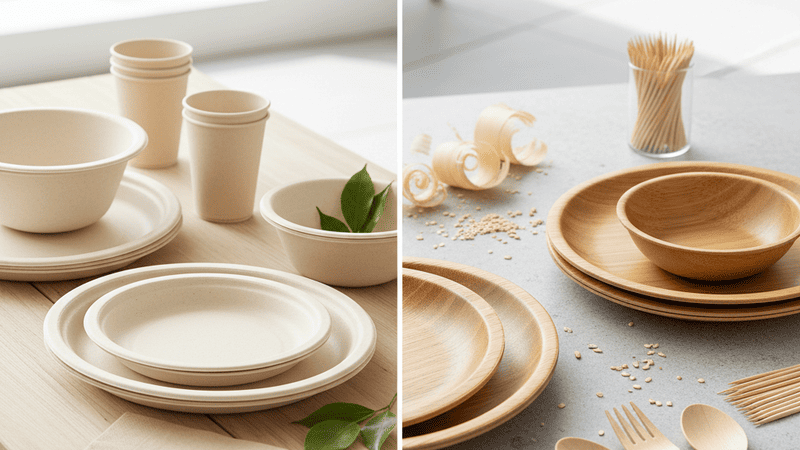
Bagasse is made from sugarcane pulp, a waste byproduct4 of the sugar industry. Bamboo tableware is made from harvested bamboo stalks, a fast-growing, dedicated crop. One is upcycled waste, the other is a harvested renewable resource.

Let's look at this more closely.
Sugarcane Bagasse: The Upcycler
When a sugar mill processes sugarcane, it crushes the stalks to extract the sweet juice. What's left over is a massive amount of dry, fibrous pulp. This is bagasse. For decades, this material was often discarded or burned. Now, we take this agricultural waste5, mix it with water to form a slurry, and use heat and pressure to mold it into plates, bowls, and containers. No new crops are planted, and no extra farmland is used to create our raw material. We are literally turning trash into treasure.
Bamboo: The Rapidly Renewable Resource
Bamboo is a type of grass, not a tree, and it's famous for its incredible growth speed. To make tableware, mature bamboo stalks are harvested. The material is then typically processed into a pulp (similar to bagasse) or sometimes cut and pressed into shape. While it's a highly sustainable and renewable resource, it's important to recognize that it is a crop grown for the purpose of being harvested for products. It requires land and resources, however minimal, for its cultivation.
How do they compare in real-world performance?
You need tableware that can handle your food. A beautiful plate that gets soggy or a container that leaks is a failure. Let's put these two materials head-to-head on the factors that matter most.
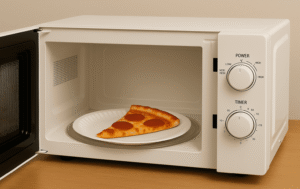
Bagasse is the clear winner for heat resistance6 and handling greasy or wet foods, and it's microwave-safe7. Bamboo is stronger and more rigid, offering a premium feel, but it is not typically recommended for microwaves or very hot liquids.

I've tested both materials extensively. The differences in performance are not small; they are significant and will directly impact your customers' experience. While both are fantastic alternatives to plastic, they are not interchangeable. The fibrous structure of bagasse makes it naturally resistant to oil and water penetration without needing a synthetic lining. Bamboo's strength is its rigidity—it's very difficult to bend or break a quality bamboo plate, which gives it a high-end feel. Here is a direct comparison to make it simple.
Feature Head-to-Head
| Feature | Sugarcane Bagasse | Bamboo |
|---|---|---|
| Heat & Microwave Use | Excellent. Microwave and freezer safe. | Poor. Not recommended for microwave use. |
| Water & Oil Resistance | Excellent. Holds hot liquids and greasy foods well. | Good, but can become saturated over time. |
| Strength & Rigidity | Good. Durable enough for most meals. | Excellent. Strong and rigid. |
| Aesthetics & Feel | Clean, functional, typically white or natural beige. | Premium, natural wood-grain look and feel. |
What happens after the meal, and which is better for the planet?
You've chosen an eco-friendly plate. But if it ends up in a landfill, did you make a difference? Disposal is a huge part of the environmental equation.
Both bagasse and bamboo are commercially compostable8. However, bagasse's full lifecycle is more eco-friendly as it upcycles waste from the start and breaks down very efficiently, completing a truly circular journey from farm to table and back to soil.
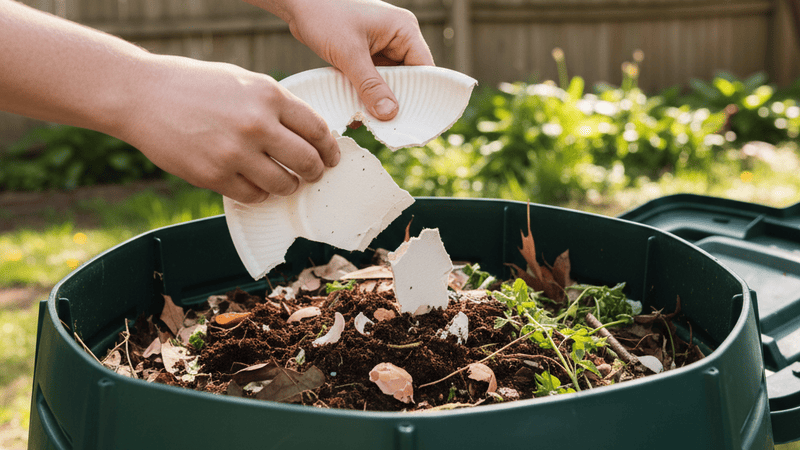
The end-of-life for these products is what truly separates them from plastic. Both are designed to be composted, not landfilled. In a landfill, starved of oxygen, they can release methane, a potent greenhouse gas. In a proper composting facility, they break down into nutrient-rich soil. Bagasse, being a softer fiber, composts very quickly—often within 90 days in a commercial facility. Bamboo, being tougher and more wood-like, can take longer. The biggest win for bagasse, however, is its origin. By using a material that was already considered waste, its environmental impact9 is lower from the very beginning. It solves two problems: reducing agricultural waste5 and replacing single-use plastics10.
Lifecycle & Environmental Impact
| Aspect | Sugarcane Bagasse | Bamboo |
|---|---|---|
| Disposal Method | Commercially compostable. Breaks down in home compost, but slower. | Commercially compostable. Generally too tough for home compost. |
| Breakdown Speed | Fast (typically ~90 days in commercial facilities). | Moderate (can take longer than bagasse). |
| Overall Footprint | Lower. Upcycles existing waste, reducing agricultural burden. | Higher. Requires land and resources to grow as a dedicated crop. |
| Eco-Friendly Model | Circular Economy. Turns waste into value, then back to soil. | Renewable Resource. Uses a sustainable crop as raw material. |
So, which situations are best for bagasse vs. bamboo?
You have the facts, but how do you apply them? Choosing the right material is about matching its strengths to your specific needs. It's a practical business decision.
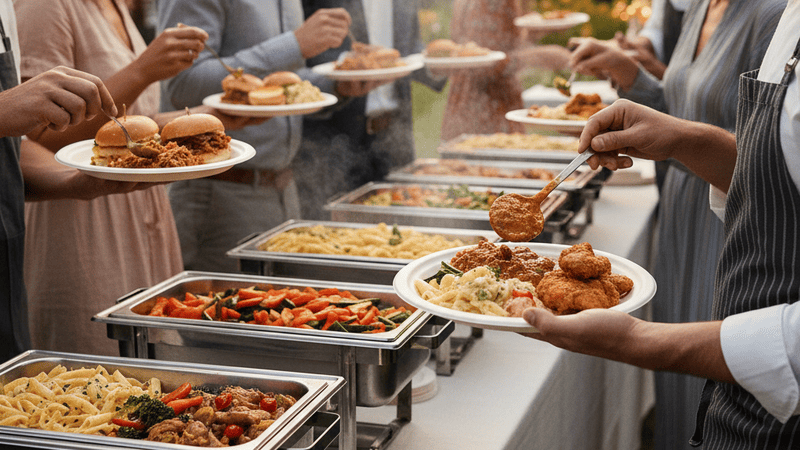
Use bagasse for its versatile, all-around performance and superior environmental lifecycle. Choose bamboo when the dining experience calls for a premium aesthetic2 and the exceptionally firm, rigid feel of a traditional plate.
Let's break it down into simple scenarios.
Choose Bagasse When:
- Your menu is diverse. Bagasse handles hot food, soups, greasy items, and cold salads equally well, making it a reliable all-rounder.
- You need microwaveable containers. This is a non-negotiable feature for many takeaway and meal-prep businesses.
- A truly circular, waste-reducing story is important to your brand. Bagasse's "waste-to-value" journey is a powerful environmental message.
Choose Bamboo When:
- You are catering a high-end event. The look, feel, and exceptional rigidity1 of bamboo tableware communicate luxury and quality.
- You need a maximum strength plate. Bamboo offers a superior, more rigid surface that feels closer to ceramic.
- Your brand is built on a premium, natural aesthetic. The extra cost can be a worthwhile investment in your presentation.
Conclusion
Both are great plastic alternatives. Bagasse is the practical workhorse with a superior circular lifecycle, while bamboo is the premium choice for strength and presentation. Choose based on your menu and eco-priorities.
Learn about the role of rigidity in ensuring the durability of tableware. ↩
Understand the concept of premium aesthetics and its impact on dining experiences. ↩
Explore the meaning of plant-based materials and their impact on sustainability. ↩
Explore this link to understand how waste byproducts like bagasse contribute to sustainability and eco-friendly practices. ↩
Find out innovative ways to repurpose agricultural waste for sustainability. ↩
Understand the significance of heat resistance in choosing the right tableware. ↩
Explore this resource to discover top microwave-safe tableware that aligns with sustainability and performance needs. ↩
Learn about the importance of commercially compostable products for the environment. ↩
Explore the environmental impact of products and how to make better choices. ↩
Discover effective alternatives to single-use plastics for a sustainable future. ↩