You have leftovers in an eco-friendly bagasse container. But can you safely pop it in the microwave, or will it melt, warp, or release chemicals into your food?
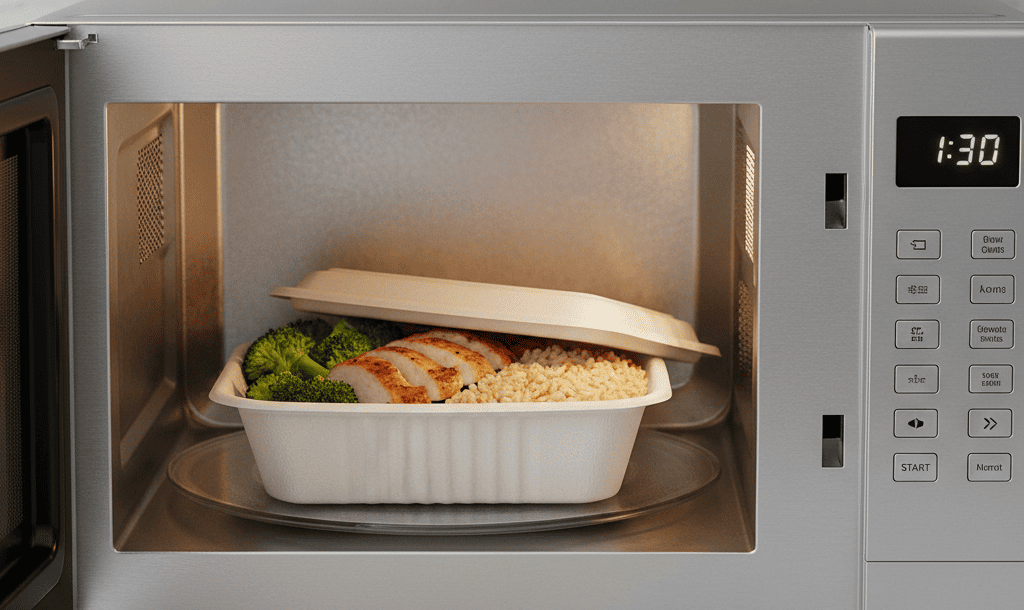
Yes, most uncoated bagasse containers1 are microwave safe2 for reheating food for 1-3 minutes. They handle water-based heat very well but can scorch with high-fat foods3. Always check for a microwave-safe symbol and remove any non-microwavable lids first.
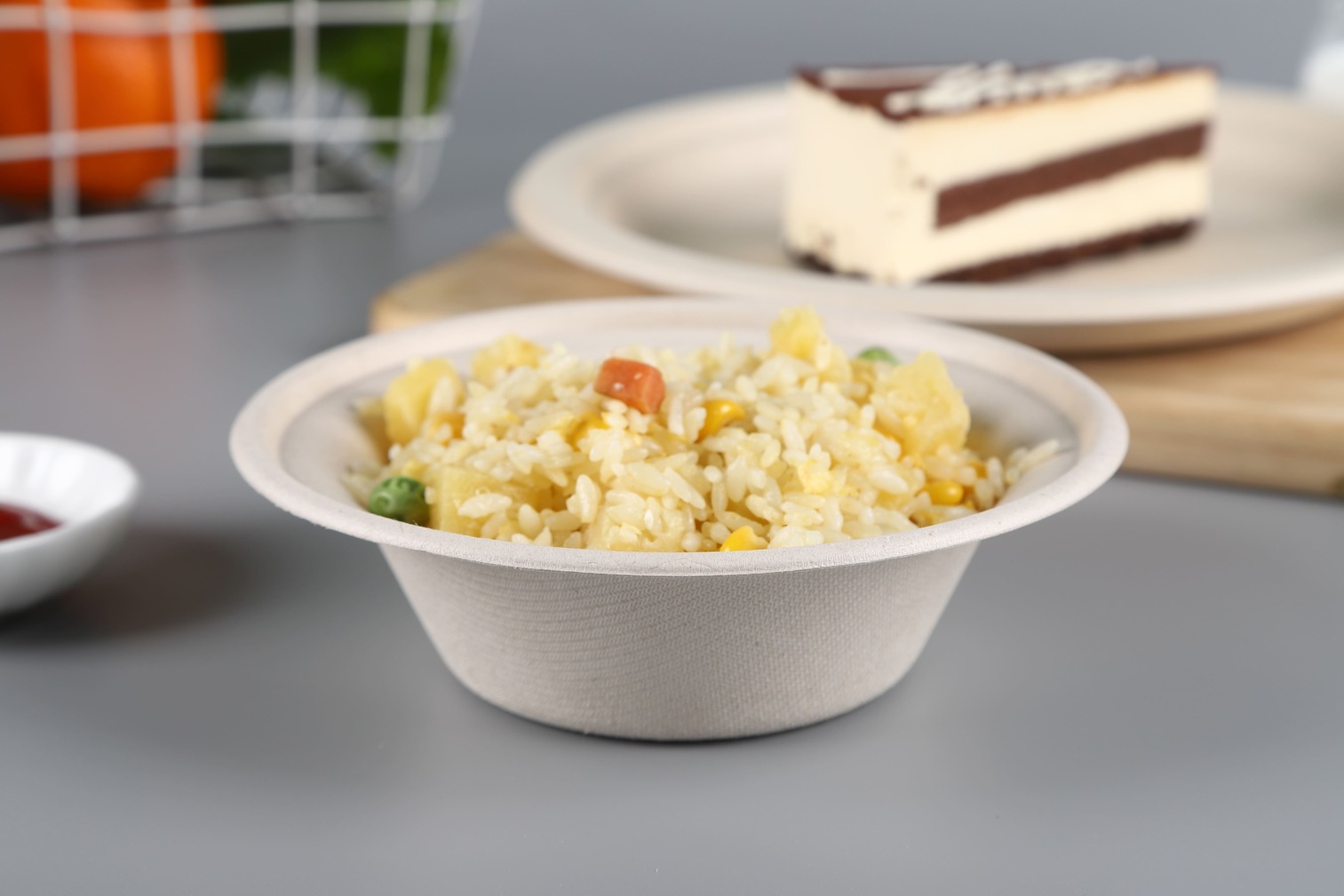
As someone who has dedicated my career to sugarcane bagasse tableware, this is one of the most common questions I get. People love the sturdiness and eco-friendly nature of bagasse, but they're often cautious when it comes to heating it. Unlike plastic, which has clear melting points, a natural fiber feels different. The good news is that bagasse is incredibly resilient, but it's not indestructible. Understanding a few simple rules will help you use it safely and effectively every single time.
What are the basic rules for microwaving bagasse?
You want the convenience of reheating food directly in its container. But you need to know the basic dos and don'ts to avoid ruining your meal or the container itself.
For best results, microwave bagasse in short intervals4 of 1 to 3 minutes on medium power. The material easily handles the steam and heat from water-based foods5 up to 100°C (212°F) without losing its structural integrity6.
Think of a bagasse container as being made of dense, pressed paper fibers. When you heat food with a lot of water content, like soup, rice, or steamed vegetables, the energy from the microwave primarily heats the water. The container holds up perfectly to this steam and temperature, which won't exceed water's boiling point. This is its ideal use case. The structure remains strong, and it won't get flimsy or soggy like a standard paper plate might. The key is to avoid prolonged heating, which can dry out the fibers. Short bursts of heating are always better than one long session.
Basic Microwave Guidelines
- Time Limit: Stick to 1-3 minute intervals. Check the food and add more time if needed.
- Power Level: Use medium or moderate power settings instead of the highest setting.
- Best Foods: Soups, stews, rice, pasta, and steamed vegetables reheat perfectly.
- Temperature Tolerance: The fiber is excellent with heat up to 100°C (212°F), the boiling point of water.
When can microwaving bagasse go wrong?
You assume all foods reheat the same way. But some ingredients can turn your microwave into an oven, pushing your bagasse container past its limits and creating a problem.
Be very cautious with high-fat or oily foods7 like curries or fried items. Oil can superheat to temperatures far above 100°C (212°F), which may cause the bagasse fibers to scorch, warp, or even leak.
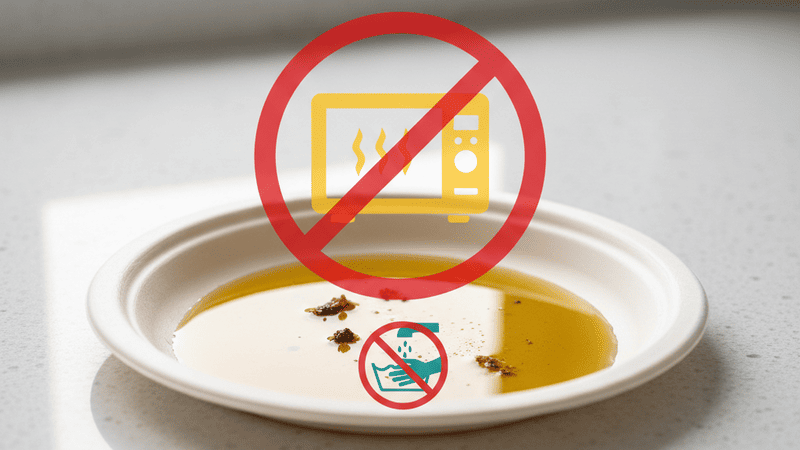
This is the most common mistake people make. Water can't get hotter than its boiling point, but oils and fats can easily reach 200°C (400°F) in a microwave. Bagasse fiber is not designed to handle that level of intense, direct heat. At those temperatures, the natural moisture in the fiber can boil away, leading to browning or scorching. In extreme cases, the superheated oil can compromise the container's structure, causing it to soften and leak. Another issue is going directly from freezer to microwave. This sudden temperature shock can sometimes cause the rigid container to crack. It's always best to let it sit on the counter for a few minutes first.
Microwaving: What to Watch Out For
| Situation | Potential Problem | How to Avoid |
|---|---|---|
| High-Fat/Oily Foods | Scorching, Warping, Leaking | Reheat in short 30-second bursts; transfer to a ceramic dish if possible. |
| Long Heating Times | Drying out, Brittleness, Scorching | Use multiple short intervals4 instead of one long one. |
| Freezer to Microwave | Cracking or Warping | Let the container rest at room temperature for 5-10 minutes first. |
Do lids and linings change the microwave rules?
Your container comes with a clear lid or has a shiny inner lining. You assume it's all part of the same package, but microwaving these components could be a messy mistake.
Yes, lids and linings are critical. Most clear lids are made from PET plastic8 and will warp or melt in the microwave. Shiny PLA bioplastic9 linings are also not microwave-safe. Always remove them before heating.
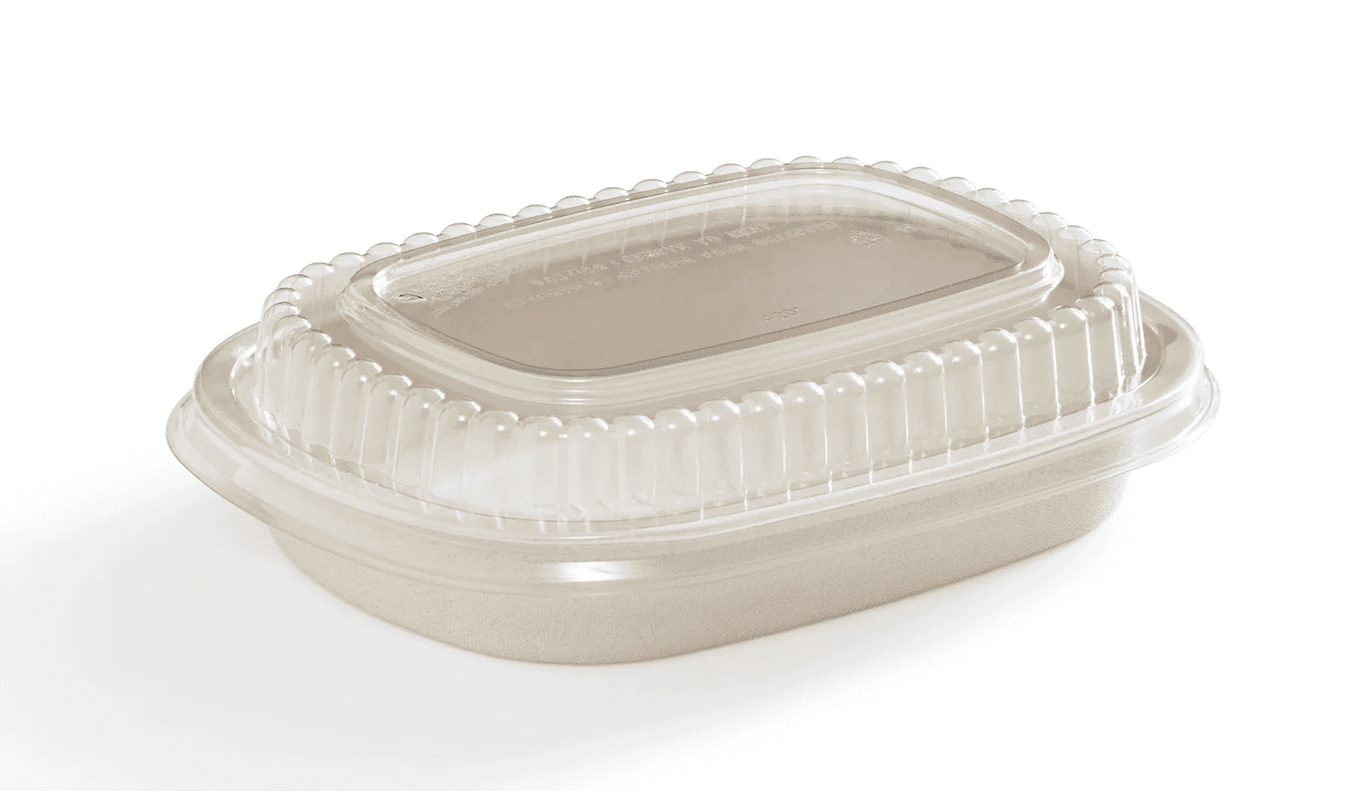
This is where you have to pay close attention. A bagasse base might be perfectly safe, but the lid it comes with often is not. Here's a breakdown of what you might encounter. Clear, brittle lids are usually PET, the same plastic used for water bottles, and it has a very low heat tolerance. Some eco-friendly containers have a thin, shiny lining of PLA (a corn-based plastic) to make them fully waterproof. PLA is great for composting, but it starts to soften around 60°C (140°F) and is not suitable for microwaving. The only lids that are sometimes safe are more flexible, opaque ones made from PP (polypropylene), and they should always be vented. If you're not sure, the safest rule is to always remove the lid.
Lid and Lining Safety Guide
- PET Lids (Clear, Brittle): NEVER microwave. They will melt.
- PLA Linings (Shiny Inner Coat): DO NOT microwave. They will soften and deform.
- PP Lids (Opaque, Flexible): SOMETIMES safe if marked and vented.
- Uncoated Bagasse Container: YES, this is the part that is safe to microwave.
How can you guarantee the safest results every time?
You want to use bagasse confidently. Beyond the basics, you need a simple checklist to ensure you're always making the safest choice for your health and your meal.
To be completely safe, always look for the microwave-safe symbol on the bottom of the container. Additionally, choose products that are certified PFAS-free10 to avoid the potential health risk, although most bagasse products are certified by the FDA11 and LFGB12 as safe for food contact.
While most bagasse is safe, performance can vary slightly between manufacturers depending on the product's thickness and design. The microwave-safe symbol is your guarantee from the brand that it has been tested for this purpose. The second, and equally important, factor is to look for "PFAS-free" certification. PFAS are chemicals that were historically used to provide grease resistance. We now know that when bagasse containing PFAS is microwaved, there is a potential risk that these chemicals may be released. This risk of migration becomes higher with high temperatures, longer heating times, or with very oily foods. To eliminate this potential health risk, you should always ensure the products are from a reputable manufacturers like us. At Webester Eco Pack, we have upgraded the production technology and transitioned to PFAS-free products. By checking for these two things, you can be confident that you are using the container in the safest way possible.
Your Final Safety Checklist
- Check for the Symbol: Flip the container over and look for the microwave-safe icon.
- Verify "PFAS-Free": Ensure the product is from a trusted brand that guarantees it is PFAS-free10.
- Remove the Lid: Unless it is a clearly marked, vented PP lid, take it off.
- Assess the Food: Is it water-based or very oily? Use extra caution with oils.
- Use Short Intervals: Reheat in 1-3 minute bursts to avoid overheating the fiber.
Conclusion
Most bagasse containers1 are perfectly safe for microwave reheating. By following a few simple rules—checking for symbols, removing lids, and being cautious with oils—you can enjoy both convenience and peace of mind.
Explore this link to understand the safety and benefits of using bagasse containers in the microwave. ↩
Learn how to identify microwave-safe containers to ensure safe reheating of your food. ↩
Understand the risks of microwaving high-fat foods and how to avoid potential issues. ↩
Learn why reheating food in short intervals is crucial for maintaining food quality. ↩
Discover which water-based foods are ideal for reheating in bagasse containers. ↩
Explore factors that impact the durability and safety of bagasse containers in the microwave. ↩
Understand the specific challenges of microwaving oily foods and how to mitigate risks. ↩
Understanding the risks of PET plastic in microwaves can help you avoid harmful chemical exposure and ensure safe food reheating. ↩
Explore this resource to understand the risks of using PLA bioplastic in microwaves and ensure safe food reheating. ↩
Find out why PFAS-free certification is important for your health and safety in food packaging. ↩
Understanding FDA certification helps ensure the safety and quality of food packaging, including bagasse containers. ↩
Understanding LFGB certification helps ensure the safety and quality of food contact materials, crucial for health-conscious consumers. ↩